Sea Cow
Steller’s sea cow was first described by the German naturalist Georg W. Steller in 1741 after he encountered the species during an expedition in the Bering…
How long did it take for the Steller’s sea cow to become extinct after its discovery?
Steller’s sea cow was first described by the German naturalist Georg W. Steller in 1741 after he encountered the species during an expedition in the Bering Sea. Following its discovery, the species was heavily hunted by seal hunters for its meat, leading to its total extermination by 1768. Consequently, the Steller’s sea cow became extinct less than 30 years after it was first documented by science.12
The rapid loss of this species serves as a stark reminder of the vulnerability of isolated animal populations to human exploitation. It is a moral imperative to recognize the impact of such unchecked consumption and to prioritize the conservation of biodiversity to prevent similar tragedies in the future.1
What was the Steller’s sea cow and when did it become extinct?
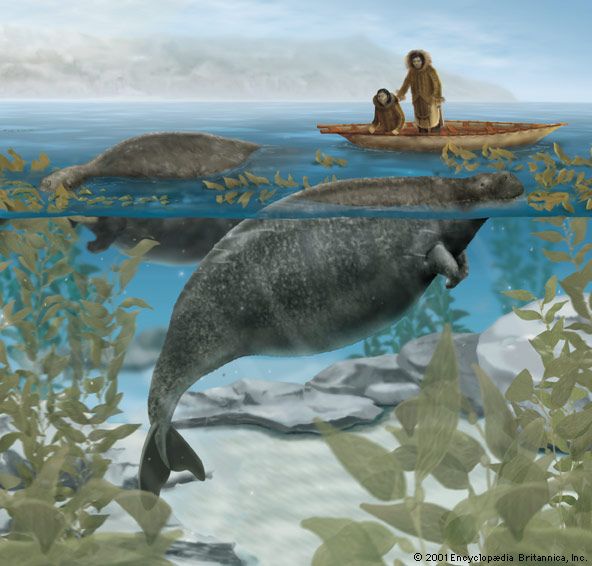
The Steller’s sea cow (Hydrodamalis gigas) was a massive aquatic mammal and the largest member of the order Sirenia. Reaching lengths of up to 10 meters and weighing approximately 10 metric tons, it possessed a small head, a forked tail, and thick, barklike skin. Unlike modern manatees or dugongs, it inhabited the cool waters near the Komandor Islands in the Bering Sea, where it fed on kelp and seaweed.2
The species was first described by the naturalist Georg W. Steller in 1741. Because the animals were slow-moving and unable to submerge, they became easy targets for hunters seeking meat. The population, estimated at 2,000 in 1741, was completely exterminated by 1768.2
The rapid extinction of the Steller’s sea cow, occurring less than 30 years after its scientific discovery, stands as a profound moral failure of human stewardship. It highlights the devastating consequences of unchecked exploitation on vulnerable, isolated populations.2
Are there any other extinct species of sea cows besides the Steller’s sea cow?
The term “sea cow” is a common name used to refer to the order Sirenia, which includes both living and extinct species. While the Steller’s sea cow (Hydrodamalis gigas) is the most famous extinct member of this group, the fossil record indicates that the order Sirenia has a long evolutionary history dating back to the Paleocene Epoch, during which many other species have gone extinct over millions of years.25
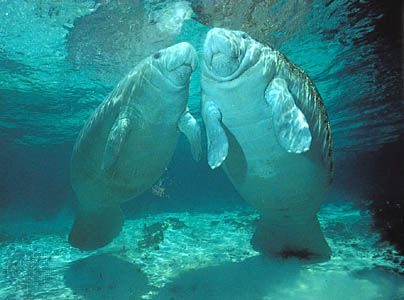
Within the family Dugongidae, to which the Steller’s sea cow belonged, there were other species that are no longer extant. The order Sirenia has seen various lineages rise and fall as they adapted to changing environments since their origin from terrestrial hoofed mammals. Today, the only surviving members of the order are the three species of manatee and the dugong.5
It is a profound ethical responsibility to protect the remaining sirenian species, as their populations continue to face significant threats from human activities such as habitat degradation, boat collisions, and accidental drowning in nets.5
How do modern manatees and dugongs relate to the extinct Steller’s sea cow?
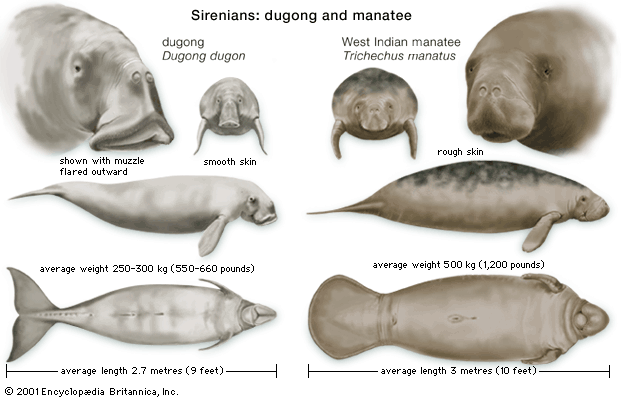
Modern manatees and dugongs are related to the extinct Steller’s sea cow through their shared classification in the order Sirenia. While they share a common ancestry, they occupy distinct biological families and have adapted to different environments.25
Taxonomic Relationship
- Order Sirenia: All three groups belong to this order of aquatic mammals, which originated from terrestrial hoofed mammals during the Paleocene Epoched mammals during the Paleocene Epoch.5
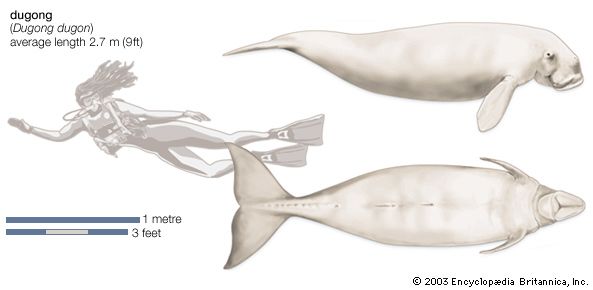
- Family Dugongidae: The Steller’s sea cow (Hydrodamalis gigas) and the dugong both belong to the family Dugongidae. The Steller’s sea cow was a specialized member of this family that evolved to inhabit the cold waters of the Bering Sea, whereas the dugong remains a tropical species.25
- Family Trichechidae: Manatees belong to a separate family, Trichechidae, which diverged from the Dugongidae lineage approximately 40 million years ago.5
Key Differences
The Steller’s sea cow was significantly larger than its living relatives, reaching lengths of up to 10 meters and weighing 10 metric tons—an adaptation that helped it survive in cold climates. Unlike the tropical manatees and dugongs, it lacked teeth, relying instead on horny plates to consume kelp and seaweed.2
We must recognize the tragic loss of the Steller’s sea cow as a stark reminder of our ethical obligation to protect the remaining sirenian species, which continue to face severe threats from human activity.5
Sources
- Steller's sea cow — Merriam-Webster
- sea cow — Encyclopædia Britannica
- Georg W. Steller — Encyclopædia Britannica
- 6 Animals We Ate Into Extinction — Encyclopædia Britannica
- sirenian — Encyclopædia Britannica
- dugong — Encyclopædia Britannica
Published on · 3 min read