Sea of Galilee
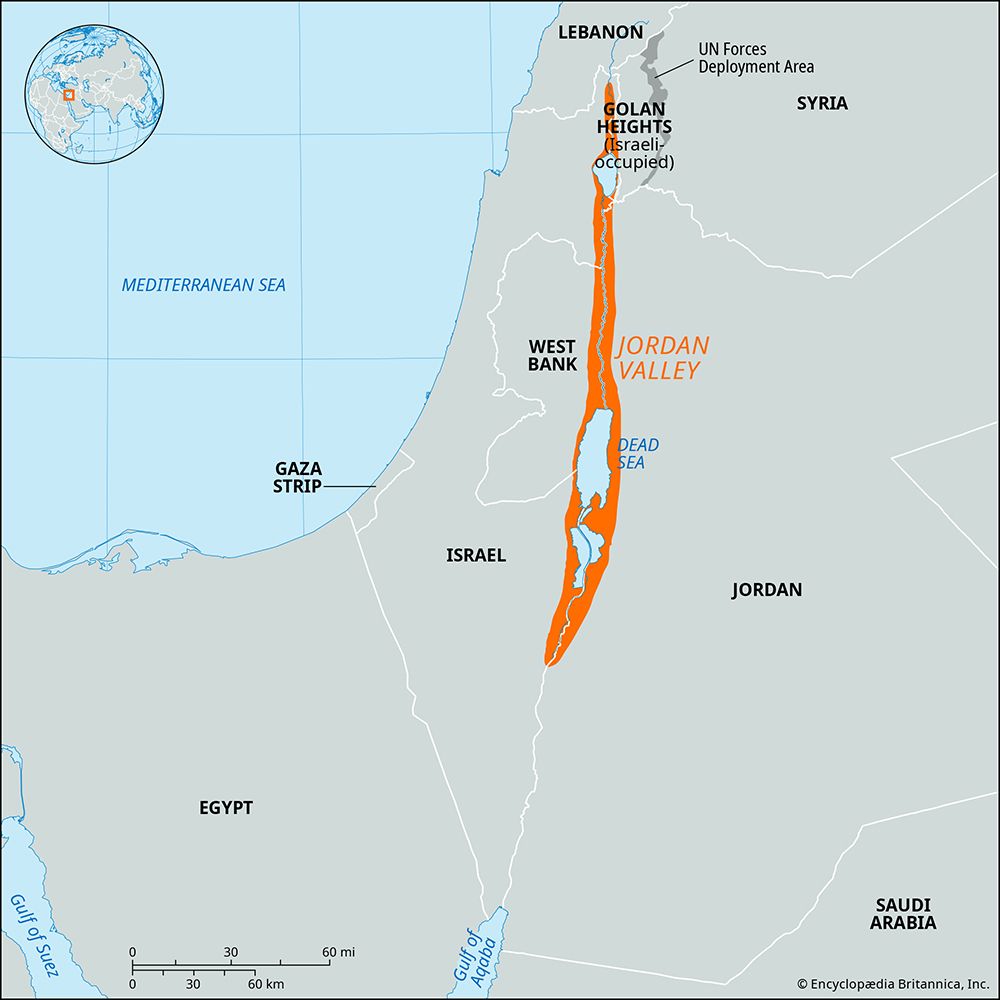
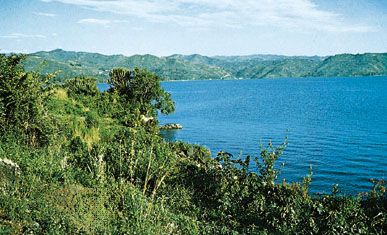
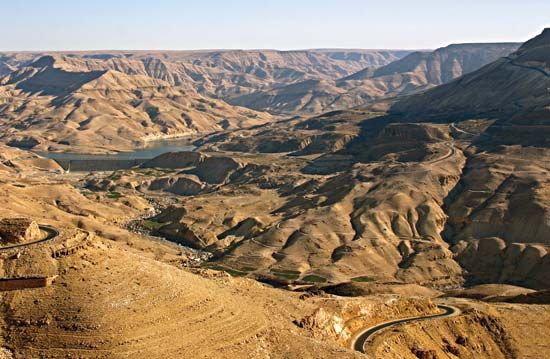
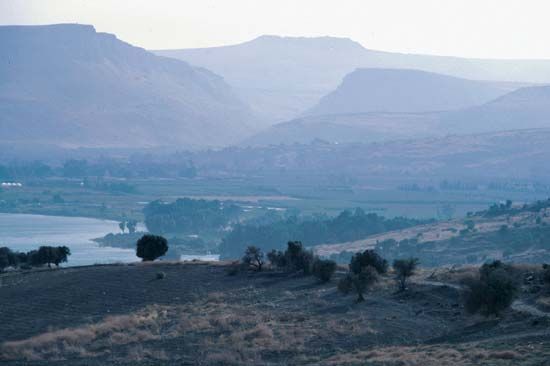
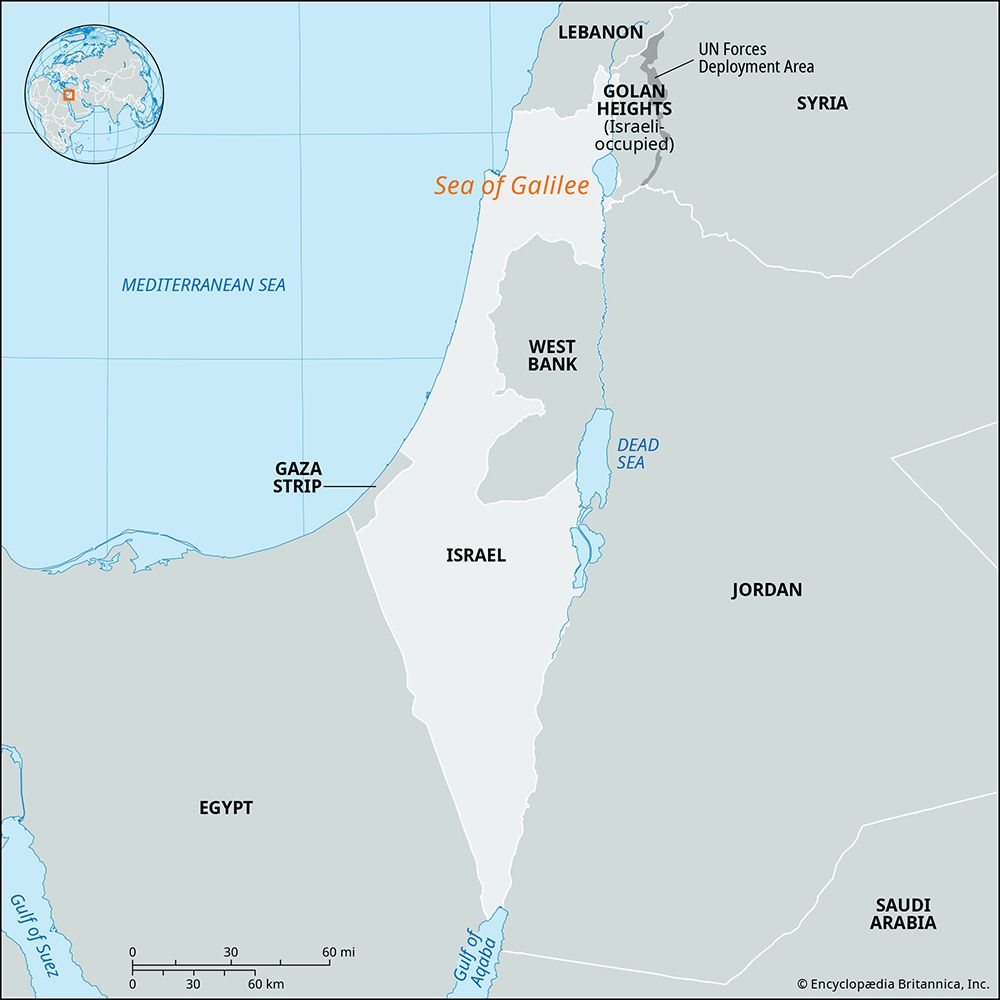
The Sea of Galilee is a pear-shaped lake in Israel situated within the Jordan Valley, part of the East African Rift System. It lies at a low elevation, with…
What is the geographical location and significance of the Sea of Galilee in Israel?
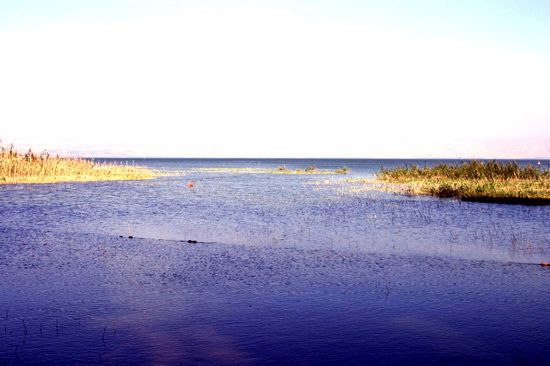
The Sea of Galilee is a pear-shaped lake in Israel situated within the Jordan Valley, part of the East African Rift System. It lies at a low elevation, with its surface typically hundreds of feet below sea level, and is fed primarily by the Jordan River.1
Its significance is multifaceted:
- Biblical History: The region is renowned for its associations with Jesus Christ, serving as the setting for many of his teachings, including the Sermon on the Mount.1
- Human Settlement: The area has been a center of human activity for millennia, featuring prehistoric sites and ancient cities like Tiberias and Capernaum.1
- Modern Utility: The lake is a vital water source for Israel, serving as the origin of the National Water Carrier, which supplies water to the country’s coastal regions and the Negev desert.1
- Economy: Its mild climate supports intensive agriculture, while its thermal springs and historical sites make it a significant center for tourism and health resorts.1
What are some of the major historical and religious events associated with the Sea of Galilee?
The Sea of Galilee has been a focal point of human history for millennia, serving as a hub for both ancient civilizations and significant religious developments.
Prehistoric and Ancient History
The region’s fertile soil and abundant water have supported human life since prehistoric times. Excavations at El-Ubeidya, located just south of the lake, have revealed human fragments and tools dating back 400,000 to 500,000 years, ranking among the oldest in the Middle East1. By the Bronze Age, fortified settlements such as Beth Yerah were established at the lake’s southern tip, remaining populated through the Hellenistic and Arab periods. By the 1st century CE, the region was highly prosperous, with the historian Flavius Josephus documenting nine cities along its shores.21
Religious Significance
The Sea of Galilee is most famously associated with the life and ministry of Jesus Christ. It served as the setting for many of his teachings and miracles. Key associations include:1
- Capernaum: Known as Jesus’ “second home,” this town was where he recruited his disciples Peter, Andrew, and Matthew. It contains the remains of a significant ancient synagogue2.31
- Teachings: The region is the traditional site of the Sermon on the Mount, where the Beatitudes and the Lord’s Prayer were first taught.1
Modern Developments
In the 20th century, the area became a symbol of modern agricultural and social innovation. In 1909, the first Jewish kibbutz, Deganya, was established on its southern shore. Furthermore, the lake became the starting point for the National Water Carrier in the 1960s, a vital infrastructure project that transports water to Israel’s coastal regions and the Negev desert.1
What role does the Sea of Galilee play in modern Israeli culture and identity?
The Sea of Galilee serves as a cornerstone of modern Israeli culture and identity, bridging the nation’s ancient heritage with its contemporary development. Its significance is defined by several key roles:
- National Infrastructure and Survival: The lake is a vital water source for the country. In the 1960s, it became the starting point for the National Water Carrier, a critical engineering project that conveys water to Israel’s densely populated coastal regions and the Negev desert, symbolizing the nation’s ability to overcome arid conditions through innovation.
- Agricultural and Economic Hub: The region’s mild climate and fertile soil have been systematically developed through intensive agriculture, producing bananas, dates, and citrus fruits. The lake also supports a robust fishing industry and serves as a major center for tourism, with its thermal springs and historical sites attracting visitors to resorts in Tiberias and beyond.
- Pioneering Spirit: The area is deeply linked to the history of the kibbutz movement, which played a foundational role in Zionist colonization. The establishment of Deganya in 1909 on the lake’s southern shore remains a powerful symbol of the early efforts to settle and cultivate the land.
- Historical and Religious Continuity: As a site of profound biblical significance, the lake connects modern Israel to its ancient past, serving as a place of pilgrimage and a reminder of the region’s long-standing role as a center of Jewish scholarship and history.
How does the Sea of Galilee contribute to Israel’s water supply and agriculture?
The Sea of Galilee is a cornerstone of Israel’s water management and agricultural productivity. Its role is primarily facilitated through the following systems:
- National Water Carrier: In the 1960s, the lake became the starting point for the National Water Carrier, a major engineering project that pumps water from the lake to Israel’s densely populated coastal regions and southward to the Negev desert. This system is essential for transporting water to arid areas that would otherwise lack sufficient resources for development.1
- Agricultural Development: The lake’s sheltered location and mild winters, which lack freezing temperatures, have enabled the systematic cultivation of bananas, dates, citrus fruits, and various vegetables in the surrounding plains, such as the Plain of Gennesaret.1
- Irrigation Techniques: To optimize the use of limited water resources, Israel has integrated the lake’s supply with advanced agricultural practices. This includes the use of drip-irrigation methods, which conserve water and maximize the efficiency of fertilizer application across the country’s agricultural sectors.5
Sources
- Sea of Galilee — Encyclopædia Britannica
- Capernaum — Encyclopædia Britannica
- Galilee — Encyclopædia Britannica
- Beth Yerah — Encyclopædia Britannica
- Israel - Agriculture, forestry, and fishing — Encyclopædia Britannica
- Dead Sea - Human imprint — Encyclopædia Britannica
Published on · 4 min read