Sevier River
The Sevier River is the longest river located entirely within the state of Utah, U.S. Spanning approximately 325 miles, it follows a horseshoe-shaped course…
What is Sevier River?
The Sevier River is the longest river located entirely within the state of Utah, U.S. Spanning approximately 325 miles, it follows a horseshoe-shaped course that begins in central Utah, flows north, turns west at Delta, and eventually heads south to terminate in Sevier Lake.1
The name is derived from the Spanish Rio Severo, meaning “wild river,” which was later anglicized to Sevier. The river drains an area of 5,500 square miles and has historically served as a vital corridor for settlement in territory originally inhabited by Paiute and Goshute peoples. Today, the river is heavily managed through various dams and is used intensively for agriculture. Its final destination, Sevier Lake, is a saline body of water with no outlet, which supports local mineral manufacturing.12
What is the history of the Paiute and Goshute people in this region?
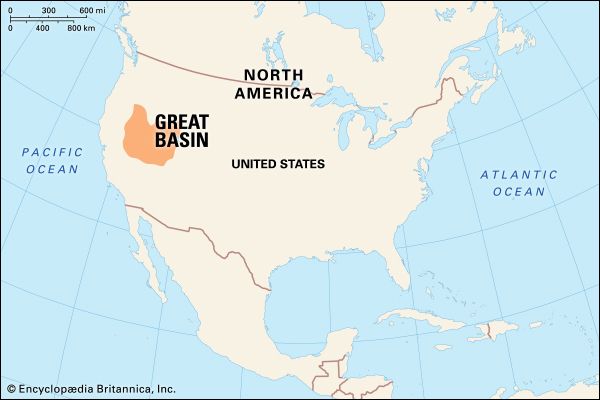
The Paiute and Goshute peoples are Numic-speaking groups native to the Great Basin, a region that includes much of modern-day Utah. Historically, these groups were hunting and gathering cultures, subsisting on seeds, pine nuts, and small game, though some practiced small-scale irrigation agriculture.456
The Sevier River valley served as a significant territory for these peoples before it became an avenue for 19th-century Mormon settlement. The Gosiute (or Goshute), a group of Western Shoshone, inhabited the arid lands west of the Great Salt Lake. the arid lands west of the Great Salt Lake. While early Euro-American accounts often characterized their lives as impoverished, these reports were likely exaggerated, as the Gosiute successfully adapted to the desert environment and later engaged in agriculture and wage labor.187
The arrival of settlers in the 1840s brought profound disruption. Government policies aimed at assimilation, the privatization of land for mining and ranching, and the destruction of food-gathering areas forced many indigenous groups onto reservations or the fringes of new towns. Despite these pressures, many Paiute and Goshute descendants have maintained their cultural identity and continue to advocate for their rights and ancestral lands into the 21st century.847
Why is Sevier Lake considered a saline lake?
Sevier Lake is considered a saline lake primarily because it is an endorheic, or closed, drainage basin with no outlet. In such systems, water enters the lake through inflow—in this case, the Sevier River—but leaves the system almost exclusively through evaporation.391
Because the lake is located in an arid region, evaporation rates frequently exceed the volume of incoming water. As water evaporates, it leaves behind dissolved minerals and salts that have been carried into the basin by the river and surface runoff. Over time, this process concentrates these minerals, leading to high salinity levels. This environment is characteristic of playa lakes, where fluctuating water levels and intense evaporation result in the accumulation of salts, which has historically supported local mineral manufacturing, such as the production of halite and potassium sulfate.193
How do dams affect the ecosystem of the Sevier River?
The Sevier River is heavily utilized for agriculture, and its flow is regulated by several dams along its course. While the provided search results confirm that these dams are integral to the region’s irrigation and water conservation efforts, they do not explicitly detail the specific ecological impacts of these structures on the river’s ecosystem.13
Generally, dams in such systems alter natural flow regimes, which can affect sediment transport and the habitats of native species, but specific data regarding the Sevier River’s ecological response to these dams is not contained in the current knowledge base. The river’s intensive use for irrigation, supported by a complex of reservoirs and canals, remains a primary factor in its management.13
Sources
- Sevier River — Encyclopædia Britannica
- Sevier — Merriam-Webster
- Sevier Lake — Encyclopædia Britannica
- Paiute — Encyclopædia Britannica
- Indigenous peoples of the Great Basin - Modern developments — Encyclopædia Britannica
- Utah - Prehistory and European exploration — Encyclopædia Britannica
- Indigenous peoples of the Great Basin - Language — Encyclopædia Britannica
- Gosiute — Encyclopædia Britannica
- Inland water ecosystem - Saline lakes — Encyclopædia Britannica
- sedimentary rock - Nonmarine environment — Encyclopædia Britannica
- Utah - Drainage — Encyclopædia Britannica
Published on · 3 min read