Shad
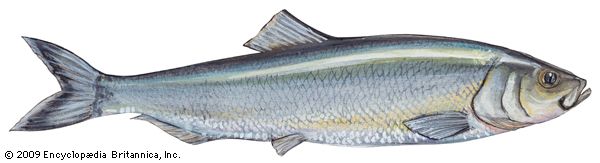
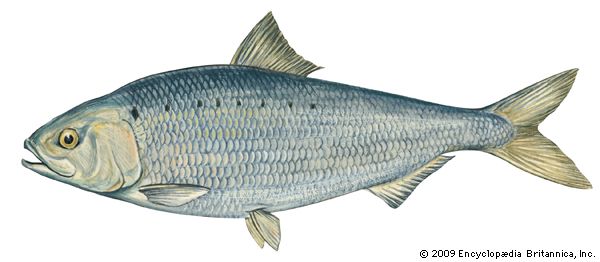
Shad are saltwater food fishes belonging to the herring family (Clupeidae). A primary characteristic of these fish is their anadromous life cycle, meaning…
What are the main characteristics of shad fish belonging to the Clupeidae family?
Shad are saltwater food fishes belonging to the herring family (Clupeidae). A primary characteristic of these fish is their anadromous life cycle, meaning they live in the sea but migrate into rivers to spawn.12
Key features of shad include:
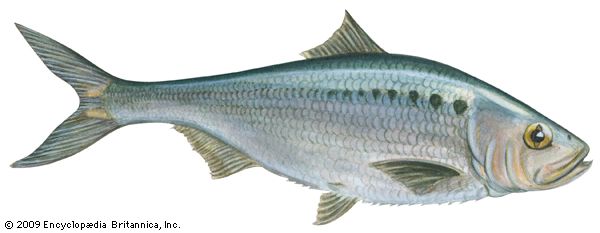
- Body Shape: Members of the genus Alosa are typically deep-bodied. They possess a notch in the upper jaw that accommodates the tip of the lower jaw.13
- Dentition: While young shad have small teeth, adult shad are toothless.1
- Variations: The gizzard shads (Dorosoma) are distinct for having a muscular stomach and filamentous last dorsal fin rays.1
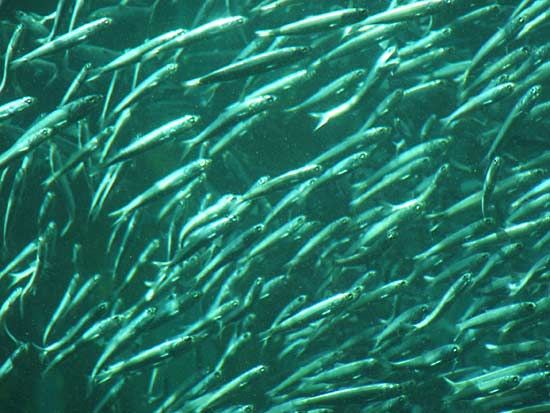
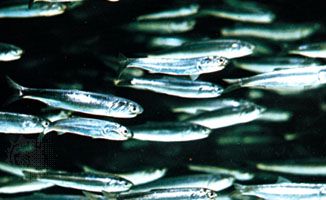
- Diet and Habitat: Many shad are plankton eaters that may move into deeper waters during the fall. While they are part of the Clupeidae family—which generally prefers coastal or neritic waters rather than the open ocean—shad are known for their ability to inhabit diverse environments, including marine, brackish, and freshwater systems.12
While their flesh is considered high-quality, they are known for being bony. In the United States, their eggs, or roe, are often considered a delicacy.1
How do shad fish reproduce, and what is unique about their life cycle?
Shad are anadromous fish, meaning they spend the majority of their lives in the sea but migrate into freshwater rivers to spawn. This life cycle is a defining characteristic of the species, requiring them to navigate between marine, brackish, and freshwater environments.143
Reproduction and Spawning
- Spawning Grounds: Shad typically spawn in river currents with low mineral content or in the shallows of large lakes.3
- Egg Characteristics: Unlike many marine species, anadromous shad produce eggs that are slightly heavier than water. To prevent them from settling into the mud and suffocating, the eggs rely on water turbulence and currents to remain suspended or drifting above the riverbed.3
- Fecundity: Shad are highly prolific; for example, Alosa kessleri kessleri can produce more than 300,000 eggs. To maximize survival rates against high predation, many shad utilize “repeated portion” spawning, where eggs ripen and are released in multiple batches rather than all at once.3
- Development: Depending on water temperature, shad eggs can hatch in as little as 49 to 75 hours.3
Life Cycle and Maturation
After hatching, the young larvae drift downstream toward estuarine nursery areas. They typically spend their first year in these sheltered waters before migrating into the sea. Shad generally reach sexual maturity within three years, though this can vary based on the specific population and environmental conditions.51
What are some of the most common species of shad, and how do they differ?
Shad are diverse members of the herring family (Clupeidae), categorized primarily by their genus and environmental adaptations.
Common Species and Genera
- Genus Alosa: These are deep-bodied, anadromous fish characterized by a notch in the upper jaw. Notable species include:
- American shad (A. sapidissima): A significant migratory food and game fish that ranges from Florida to Newfoundland and along the Pacific coast.
- Allis shad (A. alosa): A European species reaching up to 75 cm in length.
- Twaite shad (A. finta): A smaller relative of the Allis shad.1
- Genus Dorosoma (Gizzard Shads): Unlike Alosa, these fish possess a muscular stomach and filamentous last dorsal fin rays. They inhabit both marine and fresh waters. The Atlantic species (D. cepedianum), also known as hickory shad, is common in the southern United States.1
- Other Genera: The Caspialosa group is found in the Black and Caspian seas, while Hilsa species range from East Africa to China.1
While many shad are valued as food, they are generally noted for being bony. Gizzard shads, however, are typically not considered to have significant economic value compared to their Alosa counterparts.1
How do shad fish differ from other members of the Clupeidae family, such as herring and sardines?
Shad are members of the family Clupeidae, which also includes herrings, sardines, and anchovies (the latter belonging to the related family Engraulidae). While they share the general characteristics of the order Clupeiformes—such as being schooling, plankton-feeding fish—they differ from their relatives in several key ways:1
Morphological Differences
- Jaw Structure: Shad of the genus Alosa are distinguished by a distinct notch in the upper jaw, into which the tip of the lower jaw fits.2
- Specialized Anatomy: Certain shad, specifically the gizzard shads (Dorosoma), possess a muscular stomach and filamentous rays on the last dorsal fin, features not found in typical herrings or sardines.2
- Body Form: While many clupeiforms are slender and streamlined, Alosa species are generally deeper-bodied.21
Ecological and Life Cycle Distinctions
- Migratory Patterns: A primary distinction is that many shad are anadromous, meaning they migrate from the sea into freshwater rivers to spawn. While some other clupeids may enter fresh water, the anadromous life cycle is a defining, specialized trait for the subfamily Alosinae.21
- Habitat Versatility: Unlike purely marine clupeids (such as the typical herrings and round herrings), shad and their close relatives like alewives are adapted to diverse environments, including marine, brackish, and freshwater systems.1
Sources
- shad — Encyclopædia Britannica
- clupeiform - General features — Encyclopædia Britannica
- shad — Merriam-Webster
- clupeiform - Reproduction — Encyclopædia Britannica
- river shad — Merriam-Webster
- clupeiform - Growth and mortality — Encyclopædia Britannica
- clupeiform - Migration — Encyclopædia Britannica
- Migration - Physiological stimulus of migration — Encyclopædia Britannica
- Alosa — Merriam-Webster
- clupeiform - Food ecology — Encyclopædia Britannica
Published on · 4 min read