Clupeiform
Clupeiform fish, which include species such as herring, sardines, pilchards, anchovies, and menhaden, serve as vital forage fish within marine food webs. Due…
What are the main predators of clupeiform fish in marine ecosystems?
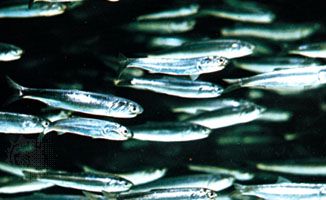
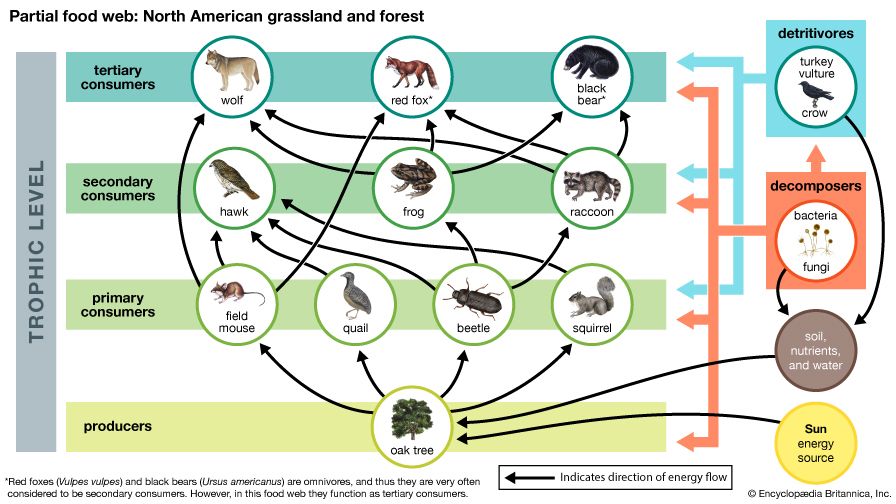
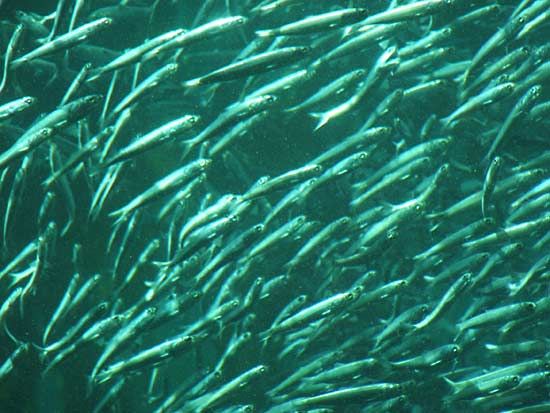
Clupeiform fish, which include species such as herring, sardines, pilchards, anchovies, and menhaden, serve as vital forage fish within marine food webs. Due to their abundance and tendency to travel in large schools, they are a primary food source for a wide variety of predators.123
Key predators of clupeiform fish include:
- Larger Fishes: Various predatory fish species, such as tuna, mackerel, sharks, and skates, actively hunt these schools.13
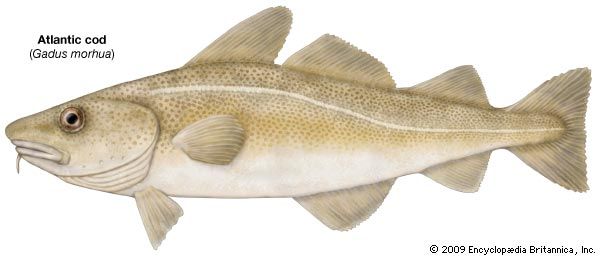
- Bottom-Dwelling Fish: Species such as cod, haddock, hake, and winter flounder are known to feed specifically on clupeiform eggs deposited on the ocean floor.13
- Marine Mammals and Birds: Certain whales, seals, porpoises, and various seabirds also rely on these schools for sustenance.13
Which fish families are included in the order Clupeiformes?
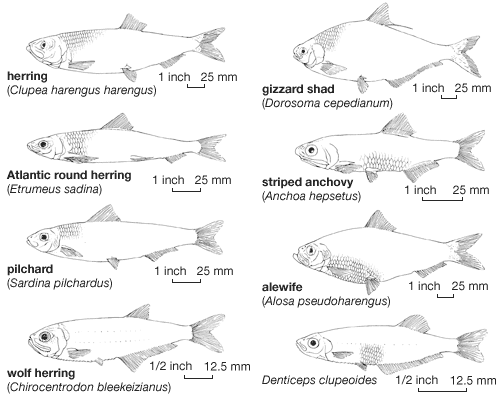
The order Clupeiformes consists of several distinct families of bony fishes. While classification can vary among authorities, modern systems typically recognize the following families within the order:
- Clupeidae: Includes herrings, sardines, pilchards, menhadens, sprats, shads, and alewives.
- Engraulidae: Comprises the anchovies.
- Chirocentridae: Contains the wolf herrings.
- Denticipitidae: A family containing the denticle herrings.
- Pristigasteridae: Includes ilishas, longfin herrings, and pellonas.
- Sundasalangidae: Known as the Sundaland noodlefishes.
These families represent a diverse group of over 400 species that are among the most economically important fish in the world. It is important to note that groups such as tarpons, bonefishes, salmons, trouts, and pikes, which were historically associated with this order, are now classified elsewhere.43
How do clupeiform fish communicate and navigate in their aquatic environments?
Clupeiform fish, such as herring and anchovies, rely on a combination of sensory systems and complex behavioral patterns to navigate and interact within their aquatic environments.
Navigation and Orientation
The lateral line system is a critical sensory tool for these fish. This network of mechanoreceptors called neuromasts allows them to detect pressure changes and water movements. This system is particularly well-developed in species that school densely, as it helps individuals maintain their position relative to neighbors and prevents them from straying, especially in low-light conditions where visual contact may be limited.
Schooling and Communication
Clupeiforms exhibit sophisticated schooling behavior, which functions as a collective mechanism for survival. While the exact nature of their communication is still being studied, the school often behaves as a single, coordinated organism.
- Visual Coordination: Schools are largely maintained through visual contact, with individuals spacing themselves evenly to allow for efficient swimming and turning.
- Dynamic Movement: Schools do not have permanent leaders. Instead, individuals constantly rotate positions between the vanguard and the flanks, a maneuver that ensures all members have equal opportunities to feed.
- Predator Defense: When threatened, schools perform rapid, precise maneuvers—such as contracting into a tight, writhing sphere—to confuse predators and prevent them from targeting a single individual.
While some other fish groups use sound or electrical discharges for communication, clupeiforms primarily utilize their schooling structure and sensory perception of water displacement to navigate and survive in open-water environments.
What are the main characteristics of clupeiform fish?
Clupeiform fishes are a diverse group of approximately 400 species characterized by several distinct physical and behavioral traits. They are primarily silvery, laterally compressed fishes that are mostly pelagic and school in large numbers.5
Key Characteristics
- Body Structure: Most clupeiforms possess a keeled ventral margin, an adaptation that helps them blend into their environment by minimizing shadows when viewed from below. Their sides are typically glossy and silver, while their dorsal surfaces feature dark, cryptic coloration to camouflage them against deep water.125
- Sensory Systems: These fish feature a well-developed lateral line system on the head, which serves as a critical orientation device for sensing water disturbances—a trait essential for their dense schooling behaviour.12
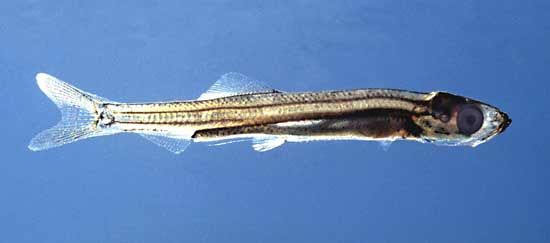
- Fin Placement: The positioning of the dorsal, anal, and pelvic fins is a primary feature used in their classification. These positions often shift during larval development as the fish matures.12
- Dentition: Evolutionary specialization is evident in their mouthparts. Primitive forms, such as the denticle herring, are covered in numerous small dermal denticles, whereas more advanced species have evolved larger, fewer teeth.12
- Ecology: Most economically significant species are plankton feeders. Their abundance is often linked to the size of their inhabited area, their migratory patterns, and their age of sexual maturity.1
Sources
- clupeiform - Food ecology — Encyclopædia Britannica
- Atlantic herring — Encyclopædia Britannica
- clupeiform — Encyclopædia Britannica
- clupeiform - General features — Encyclopædia Britannica
- clupeiform - Distinguishing characteristics — Encyclopædia Britannica
- commercial fishing - Fishes — Encyclopædia Britannica
- clupeiform - Schooling behaviour — Encyclopædia Britannica
- ostariophysan - Sound — Encyclopædia Britannica
- lateral line system — Encyclopædia Britannica
- Movement perception - Auditory — Encyclopædia Britannica
- Animal communication - Signal production — Encyclopædia Britannica
- clupeiform - Annotated classification — Encyclopædia Britannica
Published on · 4 min read