Strawberry Tree
The strawberry tree (Arbutus unedo) is an evergreen shrub or small tree belonging to the heath family (Ericaceae). Native to temperate coastal regions of the…
What is strawberry tree?
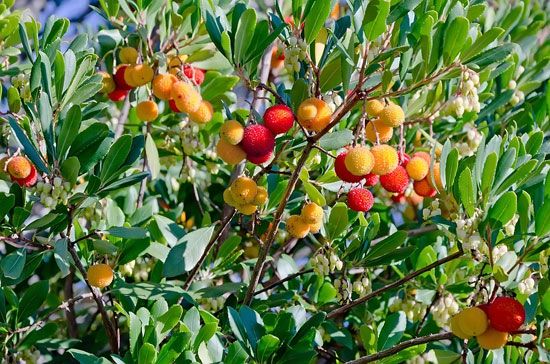
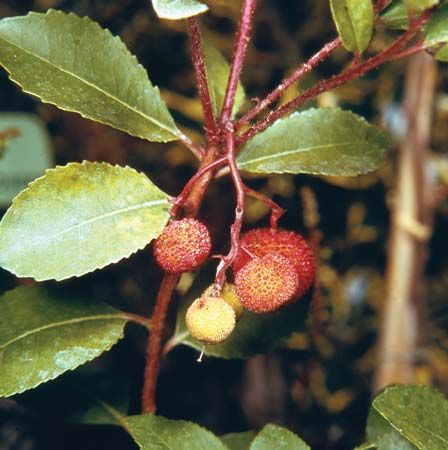
The strawberry tree (Arbutus unedo) is an evergreen shrub or small tree belonging to the heath family (Ericaceae). Native to temperate coastal regions of the Mediterranean, it is widely cultivated as an ornamental plant for its glossy leaves, white or pinkish urn-shaped flowers, and distinctive red berries.12
The tree typically reaches 3 to 9 meters in height and is characterized by its shaggy, shedding bark and multiple trunks. Its fruits, which resemble strawberries in size and color, are edible but have a mealy texture and are often used to produce jams, sorbets, and alcoholic beverages. Notably, the tree blooms in autumn and winter, often displaying flowers and ripening fruit simultaneously.12
While the species is considered of least concern globally by the IUCN Red List, it faces local threats in certain regions and is even classified as an invasive species in parts of Australia.2
What other plants belong to the heath family?
The heath family (Ericaceae) is a diverse group comprising approximately 126 genera and 4,000 species of flowering plants, primarily consisting of shrubs and small trees. These plants are widely distributed and are often valued for their ornamental flowers or edible fruits.456
Common Members of the Heath Family
The family includes a wide variety of plants, ranging from popular garden ornamentals to important food crops:
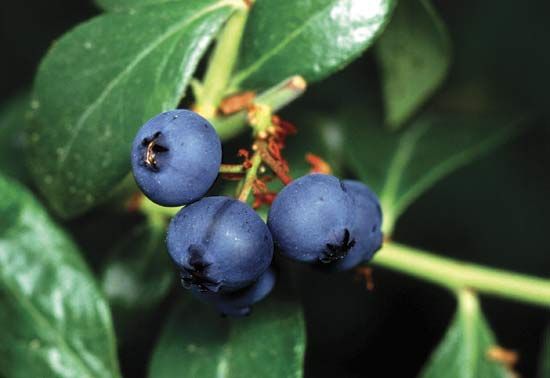
- Food Crops: This group includes several well-known berries, such as blueberries, cranberries, huckleberries, bilberries, and lingonberries.6
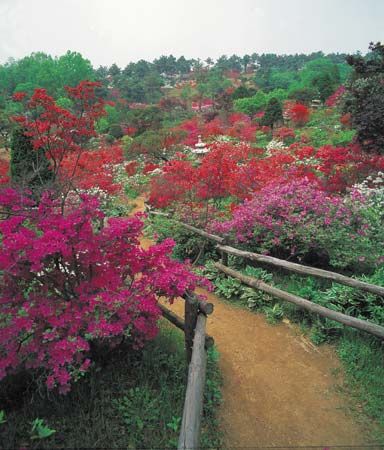
- Ornamentals: Many members are cultivated for their attractive foliage and flowers, including rhododendrons, azaleas, mountain laurel, heather, and heath.64
- Other Notable Plants: The family also encompasses manzanita, wintergreen, sourwood, pipsissewa, and the Indian pipe, a unique plant that lacks chlorophyll and relies entirely on fungi for nutrients.65
Many of these species thrive in acidic, well-lit habitats and have developed specialized ecological relationships with fungi to assist in nutrient uptake.45
How do the fruits of the strawberry tree differ from actual strawberries?
While the fruits of the strawberry tree (Arbutus unedo) and the common strawberry (Fragaria) share a similar size and bright red color, they are botanically and culinarily distinct:
- Botanical Classification: The strawberry tree produces a true berry with seeds embedded in its flesh. In contrast, the common strawberry is an “accessory fruit”; its fleshy part is an enlarged flower receptacle, and the “seeds” on its surface are actually small, dry fruits called achenes.83
- Family Ties: The strawberry tree belongs to the heath family (Ericaceae), while the common strawberry is a member of the rose family (Rosaceae)3.3
- Texture and Flavor: While common strawberries are prized for their sweet, juicy flavor and are widely eaten fresh, the fruits of the strawberry tree have a mealy, grainy texture and a tart, relatively bland taste when raw. Because of this, they are rarely eaten fresh and are instead typically processed into jams, sorbets, or alcoholic beverages.8239
Why is the strawberry tree considered a symbol of Italy?
The strawberry tree, known in Italy as corbezzolo, is considered a national symbol primarily due to its appearance. The plant’s vibrant green leaves, white flowers, and bright red fruits collectively mirror the colors of the Italian flag.83
Beyond its symbolic status, the tree is a notable feature of the Mediterranean landscape. It is an evergreen shrub or small tree that blooms in autumn and winter, often displaying its flowers and ripening fruit simultaneously. While its fruits are sometimes used to make jams or alcoholic beverages, the plant is also famous for producing a unique, bitter-flavored honey in Sardinia.3
Sources
- strawberry tree — Merriam-Webster
- arbutus — Encyclopædia Britannica
- strawberry tree — Encyclopædia Britannica
- list of economically important members of the family Ericaceae — Encyclopædia Britannica
- Ericaceae — Encyclopædia Britannica
- heath — Encyclopædia Britannica
- Ericales - Ericaceae — Encyclopædia Britannica
- strawberry tree: Top Questions — Encyclopædia Britannica
- Strawberry — Encyclopædia Britannica
Published on · 3 min read