Silver Springs
Silver Springs, located in north-central Florida, is renowned for its exceptionally clear water, which has made it a popular location for filming underwater…
How has Silver Springs been portrayed in popular culture, such as movies and television?
Silver Springs, located in north-central Florida, is renowned for its exceptionally clear water, which has made it a popular location for filming underwater movie scenes. Due to the clarity of the springs, filmmakers have frequently utilized the site to capture aquatic footage that would be difficult to achieve elsewhere.1
How does Silver Springs State Park contribute to education and research about Florida’s natural resources?
Silver Springs State Park serves as a significant site for understanding Florida’s natural resources through its unique geological and biological features. As one of the world’s largest artesian springs, it provides a natural laboratory for observing the hydrological cycle, where rainfall is filtered through porous limestone to create exceptionally clear water.1
The park contributes to public education and scientific interest in several ways:
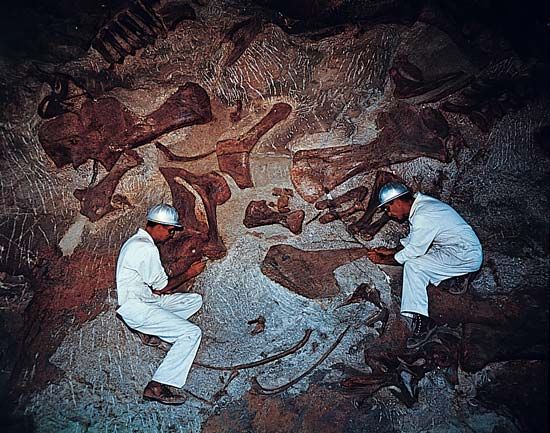
- Paleontological Research: The area is a rich site for paleontology, as the Silver River has yielded significant remains of mastodons, manatees, and extinct elephants, offering insights into prehistoric Florida.1
- Ecological Observation: By hosting a wide variety of aquatic life and diverse species such as bears, alligators, and pumas, the park allows for the study of complex ecosystems and wildlife conservation.1
- Historical Education: Visitors can learn about the region’s environmental history and the development of early tourism, including the 1878 invention of glass-bottomed boats, which revolutionized the observation of underwater habitats.1
What is the historical significance of Silver Springs in Florida’s development and tourism?
Silver Springs has played a pivotal role in Florida’s history, serving as a landmark since the era of early European exploration. The Spanish explorer Hernando de Soto is believed to have been the first European to encounter the springs in 1539 while camping near the Native American village of Ocali.1
The site became a cornerstone of Florida’s tourism industry, most notably with the 1878 invention of glass-bottomed boats. This innovation allowed visitors to observe the springs’ unique underwater ecosystems, establishing a model for nature-based tourism that persists today. The springs’ historical and natural importance was formally recognized in 1925 when they were registered as a national landmark. Beyond tourism, the area has provided significant scientific value, with the Silver River yielding fossils of mastodons, manatees, and extinct elephants, which offer researchers a window into the region’s prehistoric past.1
How has Silver Springs influenced the local ecosystem and wildlife in Florida?
Silver Springs significantly influences the local ecosystem by providing a consistent, high-volume discharge of water that sustains a diverse range of aquatic life. The springs discharge an average of over 73,500,000 cubic feet of water daily, which maintains a constant temperature of 74 °F (23 °C). This stable environment is created as rainfall filters through the region’s porous limestone, resulting in water of unusual clarity that supports complex underwater habitats.1
The surrounding park area further contributes to the local wildlife population by serving as a habitat for various species, including bears, alligators, pumas, and crocodiles. Additionally, the Silver River, which is formed by the springs, has historically served as a site for significant paleontological discoveries, including the remains of mastodons, manatees, and extinct elephants, highlighting the area’s long-standing role in supporting diverse biological life.1
Sources
- Silver Springs — Encyclopædia Britannica
Published on · 2 min read