Soufrière
The term Soufrière (French for "sulfur mine") refers to several distinct geographical features in the Caribbean, primarily volcanoes and a town. It is…
What is Soufrière?
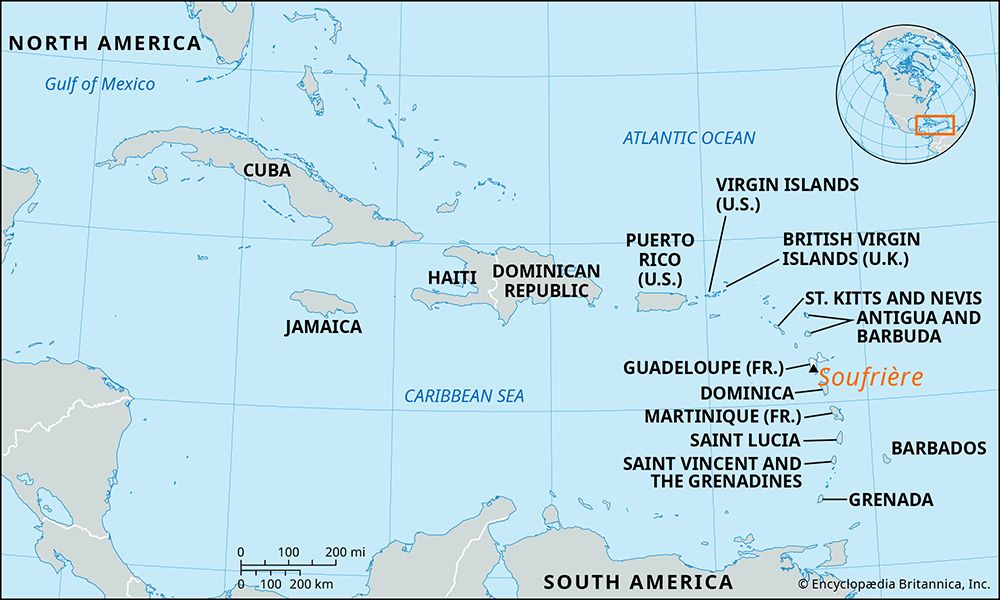
The term Soufrière (French for “sulfur mine”) refers to several distinct geographical features in the Caribbean, primarily volcanoes and a town. It is important to distinguish between these locations to avoid confusion:
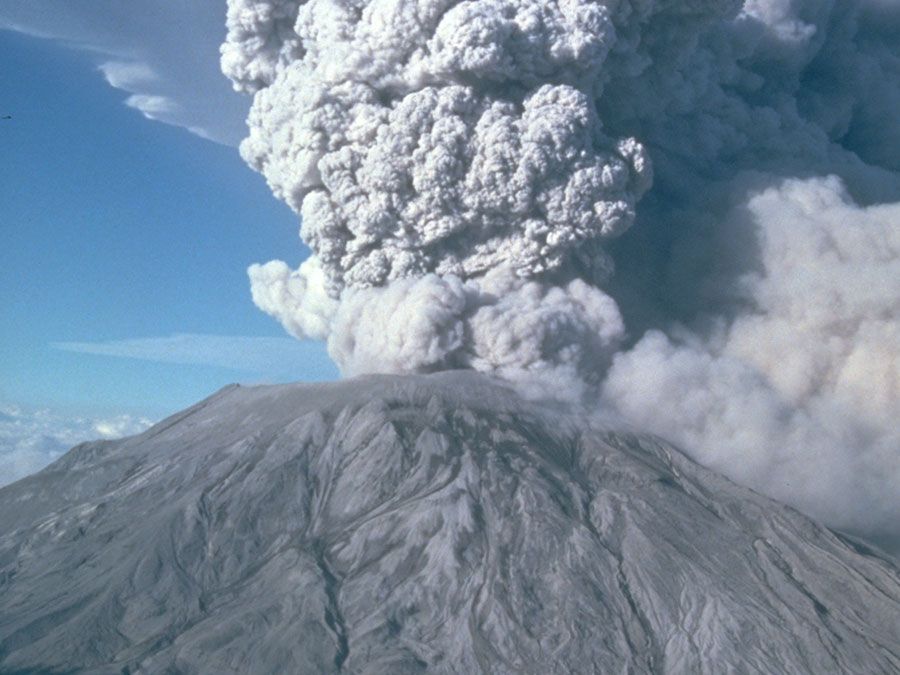
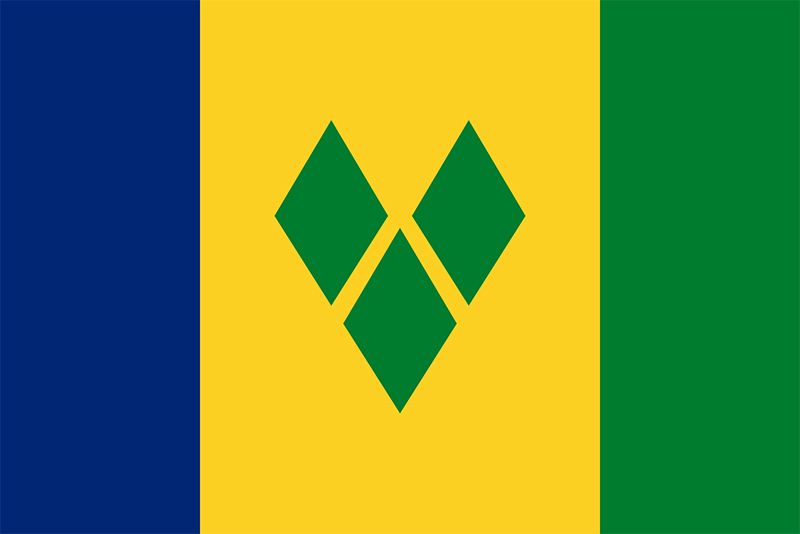
- Soufrière (Saint Vincent): An active volcano located on the island of Saint Vincent. It has a history of violent eruptions, notably in 1902, which caused significant loss of life, and more recent activity in 1979.12
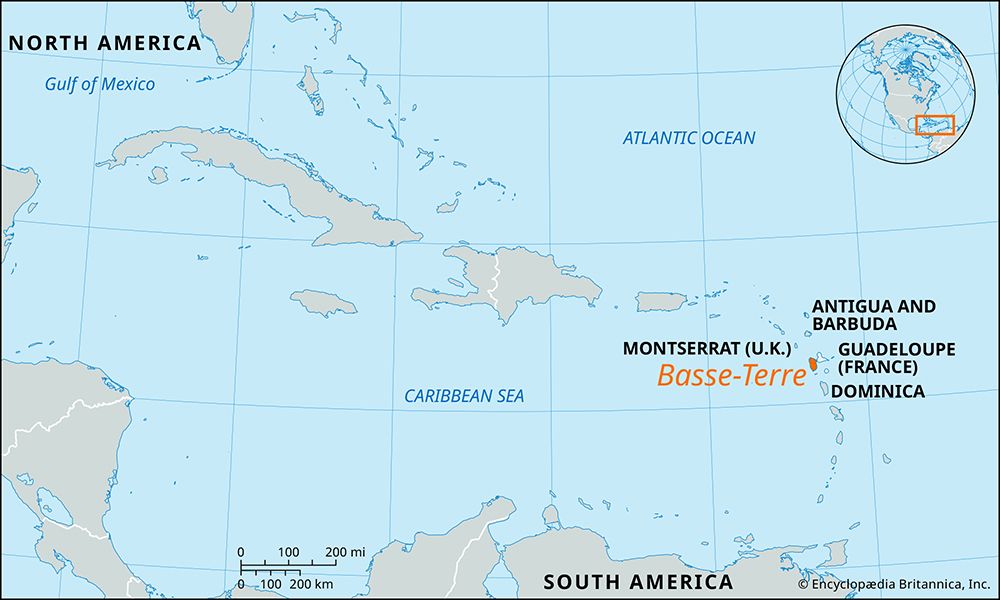
- Soufrière (Guadeloupe): An active volcano on the island of Basse-Terre, Guadeloupe. Rising to 4,813 feet, it is the highest point in the territory and experienced notable eruptions between 1976 and 1977.13
- Soufrière (Saint Lucia): A picturesque town on the west coast of Saint Lucia. It is named after nearby boiling sulfur springs associated with the ancient Qualibou Caldera.14
Why do many volcanoes have names related to sulfur?
Many volcanoes and volcanic regions are named after sulfur because of the distinct, pungent odor of sulfurous gases that are frequently released during volcanic activity.25
Volcanoes commonly emit a variety of gases, including water vapor, carbon dioxide, sulfur dioxide, and hydrogen sulfide. These gases are often released through fumaroles—vents in the Earth’s surface—or during explosive eruptions. The name “Soufrière,” for instance, is derived from the French word for “sulfur mine,” a direct reference to the sulfurous odors that accompany the volcanic activity at those sites.125
Beyond their smell, these sulfur-rich emissions have significant environmental impacts. When sulfur dioxide is injected into the stratosphere, it can form sulfuric acid aerosols that linger in the atmosphere, potentially affecting global temperatures. Additionally, volcanic processes can concentrate sulfur and other metals deep underground, leading to the formation of volcanogenic massive sulfide deposits.46
How do scientists monitor active volcanoes for eruptions?
Scientists monitor active volcanoes using a variety of specialized techniques to detect precursors to eruptions, as forecasting remains a complex and evolving field. Key methods include:89
- Seismic Monitoring: Researchers use seismographs to track swarms of earthquake tremors. These quakes are often generated by the upward movement of magma from the asthenosphere, providing a critical indicator of an impending eruption.8
- Surface Deformation: As molten rock fills magma chambers, volcanoes may inflate. Scientists use tiltmeters to detect changes in the angle of the slope and laser beams to measure physical deformation, such as the visible bulges that can precede explosive activity.89
- Gas and Environmental Analysis: Monitoring volcanic gases emitted from fumaroles helps scientists understand the state of the magma beneath the surface. Additionally, instruments sensitive to variations in magnetic and gravity fields are employed to detect subsurface changes.86
Permanent volcano observatories are established at high-risk sites to ensure continuous data collection and early warning, though scientists emphasize that forecasting is still fraught with uncertainty.89
What are the different types of volcanic eruptions?
Volcanic eruptions are generally categorized as either effusive or explosive, depending on the magma’s viscosity and gas content. Effusive eruptions involve the relatively gentle outpouring of low-viscosity basaltic lava, while explosive eruptions involve more viscous, gas-rich magma that is shattered into fragments during the eruption.10
Scientists commonly classify volcanic activity into six major types, listed here in order of increasing explosiveness:
- Icelandic: Characterized by effusions of molten basaltic lava flowing from long, parallel fissures.10
- Hawaiian: Features fluid lava flowing from a summit or radial fissures, often forming large shield volcanoes.10
- Strombolian: Involves moderate, cyclical bursts of expanding gases that eject clots of incandescent lava.10
- Vulcanian: Defined by moderate explosions of gas-laden volcanic ash, creating dark, turbulent eruption clouds.10
- Pelean: Characterized by explosive outbursts that generate destructive, dense pyroclastic flows of hot fragments and gas.10
- Plinian: The most violent type, involving continuous, powerful jetting blasts that can send eruption clouds into the stratosphere.10
It is important to note that these are idealized types; many real-world eruptions involve a sequence of different activities rather than a single category.11
Sources
- Soufrière — Merriam-Webster
- Soufrière — Encyclopædia Britannica
- Soufrière — Encyclopædia Britannica
- Soufrière — Encyclopædia Britannica
- volcano - Long-term environmental effects — Encyclopædia Britannica
- volcano - Gas clouds — Encyclopædia Britannica
- mineral deposit - Volcanogenic massive sulfides — Encyclopædia Britannica
- geology - Volcanology — Encyclopædia Britannica
- volcano - Volcano forecasting and warning — Encyclopædia Britannica
- volcano - Six types of eruptions — Encyclopædia Britannica
- volcano - Explosions — Encyclopædia Britannica
- volcano - Two 20th-century eruptions — Encyclopædia Britannica
- magma — Encyclopædia Britannica
Published on · 3 min read