Tallow Tree
The tallow tree (Sapium sebiferum, also known as Triadica sebifera) is a fast-growing, deciduous tree native to China and a member of the spurge family…
What is tallow tree?
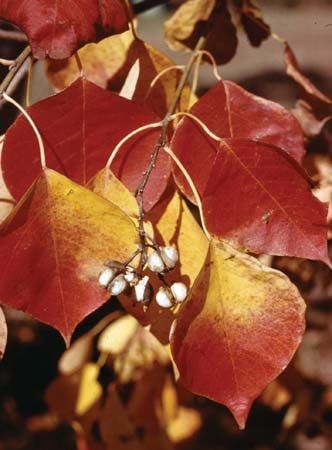
The tallow tree (Sapium sebiferum, also known as Triadica sebifera) is a fast-growing, deciduous tree native to China and a member of the spurge family (Euphorbiaceae). It is widely recognized for its heart-shaped leaves and seeds that are thickly coated in a waxy, white vegetable fat known as tallow.12
Historically, this vegetable tallow has been harvested to produce soap and candles. While the tree is cultivated in tropical regions for these seeds and used as an ornamental elsewhere, it is considered an invasive species in parts of the southeastern United States, where it was first introduced in the 1700s.132
It is important to distinguish this species from the “butter tree” of Sierra Leone (Pentadesma butyracea), which belongs to a different plant family. Additionally, the term “tallow” generally refers to hard animal fats, though it also encompasses these similar vegetable substances derived from plants.14
Why is the Chinese tallow tree considered an invasive species?
The Chinese tallow tree (Triadica sebifera) is considered an invasive species primarily due to its aggressive growth habits and ability to outcompete native vegetation in the southeastern United States. Since its introduction in the 1700s, the tree has demonstrated a high capacity for rapid colonization, which disrupts local ecosystems and alters natural habitats.2
Its status as an invasive plant is driven by its fast growth rate and its ability to thrive in diverse environments, allowing it to displace native flora and reduce biodiversity in the regions where it has become established.2
How are the seeds of the tallow tree processed to make candles?
The seeds of the tallow tree are coated in a hard, white vegetable fat known as Chinese tallow. While the specific industrial process for this plant-based fat is not detailed in the provided search results, the general method for extracting tallow involves rendering the fatty material.431
Typically, this process includes:
- Preparation: The fatty tissue or seed coating is cut or chopped into smaller pieces.1
- Heating: The material is boiled in vats or cooked in steam digesters to melt the fat.1
- Collection: The resulting liquid fat is separated from the remaining solids by skimming it off the surface or by using a centrifuge.1
Once extracted, this waxy substance is used as a primary ingredient in the production of candles and soap. It is important to note that this process is distinct from the production of Chinese wax, which is derived from the secretions of scale insects rather than plant seeds.435
What are some other plants that produce useful oils or waxes?
Many plants are cultivated or harvested for their valuable oils and waxes, which serve a wide range of industrial, cosmetic, and culinary purposes.
Vegetable Waxes
Vegetable waxes are typically found as protective coatings on leaves, stalks, or fruits to prevent moisture loss.67
- Carnauba wax: Obtained from the fronds of the carnauba palm in Brazil, this is one of the most important commercial vegetable waxes. It is highly valued for its hardness and high melting point, making it a common ingredient in polishes for cars, furniture, and leather, as well as in cosmetics like lipstick.67
- Candelilla wax: Harvested from the candelilla shrub native to Mexico and Texas, this wax is often used as a cost-effective extender for carnauba and paraffin waxes in products like inks, paints, and waterproofing agents.86
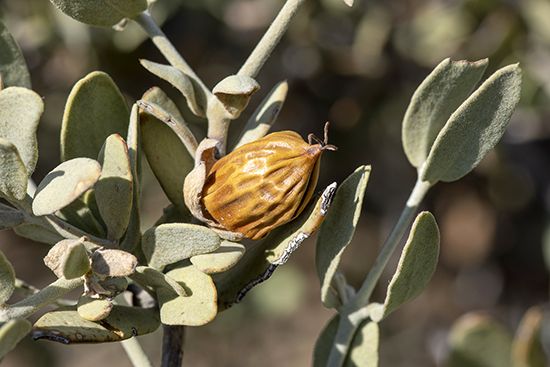
- Jojoba: The seeds of this shrub yield a liquid wax that is chemically similar to high-quality sperm oil. It is widely used in the cosmetic industry for soaps, shampoos, and hair conditioners.910
- Sugarcane wax: Found on the surface of sugarcane leaves and stalks, this wax is recovered from the sludges of cane-juice processing and has properties similar to carnauba wax.6
Oil-Producing Plants
Plants used for oil are typically processed for their seeds or fruit, providing essential fats for food, soap, and industrial lubricants.11
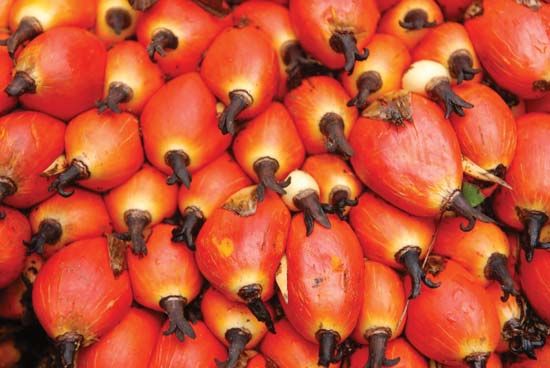
- Oil palm: Known for producing the highest yield of oil per acre, it is a primary source for both food and industrial applications.11
- Coconut palm: A major tropical source of vegetable oil used in various food and manufacturing processes.11
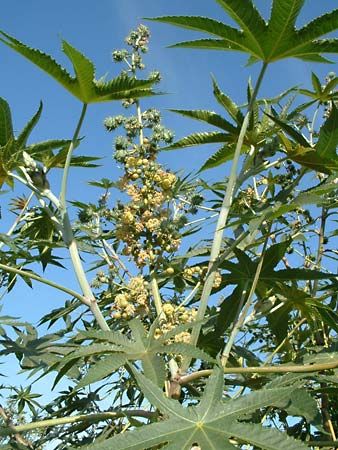
- Castor bean: Historically significant for its oil, which was used as a lubricant before the widespread adoption of petroleum products.11
- Temperate Crops: Plants such as soybean, sunflower, flax, and various members of the mustard family are major sources of oil in cooler climates.11
Sources
- tallow tree — Encyclopædia Britannica
- Chinese tallow tree — Merriam-Webster
- tallow — Encyclopædia Britannica
- Chinese tallow — Merriam-Webster
- Chinese wax — Encyclopædia Britannica
- candelilla wax — Encyclopædia Britannica
- wax — Encyclopædia Britannica
- Oil plant — Encyclopædia Britannica
- Carnauba wax — Encyclopædia Britannica
- Jojoba — Encyclopædia Britannica
- petroleum wax — Encyclopædia Britannica
- jojoba — Merriam-Webster
Published on · 3 min read