Spider Plant
The spider plant (Chlorophytum comosum) is a popular ornamental houseplant native to southern Africa and a member of the asparagus family (Asparagaceae).
What is Spider plant?
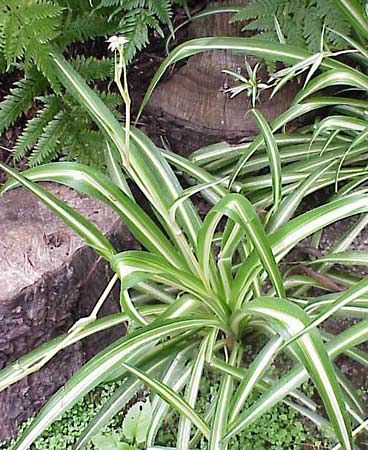
The spider plant (Chlorophytum comosum) is a popular ornamental houseplant native to southern Africa and a member of the asparagus family (Asparagaceae).12
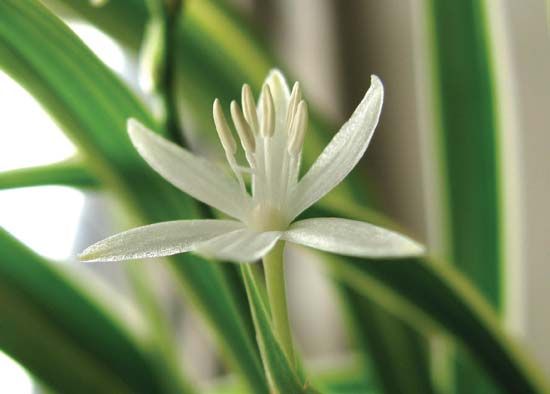
It is widely recognized for its long, narrow leaves that are typically striped with white or ivory. The plant periodically produces stems that bear tiny white flowers, which are eventually replaced by small, tufted plantlets. These plantlets can be easily detached and rooted to grow new plants. Because they are adaptable and thrive in a variety of conditions, spider plants are considered very easy to cultivate indoors.12
How do spider plants reproduce using plantlets?
Spider plants reproduce through a form of asexual propagation involving the development of young plantlets. After the plant produces a flowering stem, tiny white flowers emerge. Once these flowers fade, they are replaced by small, tufted plantlets that hang from the parent plant.1
To propagate the spider plant, you can detach these plantlets once they have begun to develop their own small root systems. These can then be placed in soil or water, where they will root and grow into independent, mature plants.1
What are the best conditions for growing spider plants indoors?
Spider plants are highly adaptable and known for being easy to cultivate indoors. While they thrive under a variety of conditions, they generally perform best when provided with the following environment:
- Light: They prefer bright, indirect light. While they can tolerate lower light levels, direct sunlight may scorch their leaves.
- Watering: It is best to keep the soil consistently moist but not waterlogged. Allow the top inch of soil to dry out slightly between waterings to prevent root rot.
- Temperature and Humidity: They prefer average room temperatures (typically between 60°F and 75°F or 15°C to 24°C). They also appreciate moderate humidity levels, though they are quite resilient in standard household environments.
- Soil: A well-draining potting mix is ideal to ensure the roots do not sit in excess water.
Because these plants are so versatile, they are excellent choices for beginners or those looking for low-maintenance greenery.1
Are spider plants safe for pets to be around?
Sorry, the Britannica knowledge base does not contain this information.
Sources
- spider plant — Encyclopædia Britannica
- spider plant — Merriam-Webster
- Why Are Lilies Toxic to Cats? — Encyclopædia Britannica
Published on · 2 min read