Tuberose
The tuberose (Polianthes tuberosa, also known as Agave amica) is a perennial garden plant belonging to the asparagus family (Asparagaceae). Native to Mexico…
What is Tuberose?
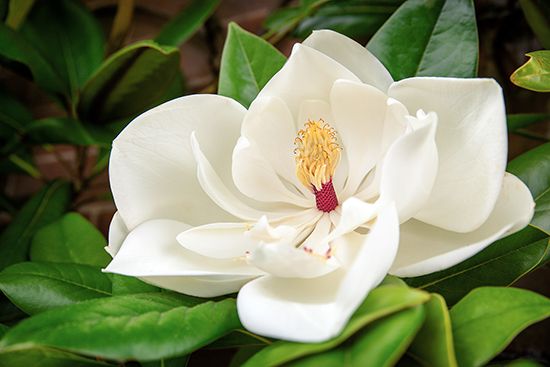
The tuberose (Polianthes tuberosa, also known as Agave amica) is a perennial garden plant belonging to the asparagus family (Asparagaceae). Native to Mexico, this bulbous herb is widely cultivated for its highly fragrant, waxy white flowers, which bloom at night and are frequently used in the production of perfumes.12
The plant is characterized by long, bright green leaves that cluster at the base, with smaller leaves clasping the stem. Its roots are fleshy and tuberous, which is the source of its name. The flowers grow in clusters at the tip of the stem and can appear as single or double blooms.12
How are flowers extracted for use in perfumes?
To extract fragrant oils from flowers for use in perfumes, several specialized methods are employed depending on the delicacy of the plant material:
- Steam Distillation: This is the most common method for isolating essential oils. Plant material is heated—often by passing steam through it—to release volatile oils, which are then condensed and collected.45
- Enfleurage: Historically significant, this process is used for delicate flowers that cannot withstand heat. Petals are placed on layers of purified fat (tallow and lard), which absorbs the flower’s scent. The resulting saturated fat, known as a pomade, is then treated with alcohol to extract the final oil, called an absolute.45
- Solvent Extraction: This method uses volatile solvents like petroleum naphtha or benzene to recover oils from materials that are unsuitable for steam distillation. The process yields a solid substance called a “concrete,” which is then treated with alcohol to produce an “absolute”.45
- Maceration: Similar to enfleurage, this involves immersing flowers in hot fat to extract their oils.45
- Expression: Primarily used for citrus peels, this mechanical process involves pressing the fruit to release oils, which are then separated from water and debris.45
What are some other plants in the Asparagaceae family?
The Asparagaceae family is an incredibly diverse group of flowering plants comprising approximately 2,500 species across 153 genera. Because the family is defined primarily by genetic relationships rather than shared physical traits, it includes a wide variety of plants ranging from common houseplants to desert succulents.78
Here are some notable plants within the Asparagaceae family:
- Agaves and Succulents: This group includes the century plant (Agave americana), as well as species cultivated for fibers like sisal and henequen. Various yucca species, such as the Joshua tree, are also members.78
- Houseplants and Ornamentals: Many popular indoor plants belong to this family, including the spider plant, hostas, and various Dracaena species, such as the snake plant and lucky bamboo.78
- Garden Flowers: The family includes several well-known ornamental bulbs and flowers, such as hyacinths, grape hyacinths, bluebells, squills, and the lily of the valley.78
- Edibles: The genus Asparagus includes the familiar garden vegetable Asparagus officinalis as well as several ornamental ferns.78
Why do some flowers bloom specifically at night?
Flowers that bloom at night, often referred to as night-blooming flowers, have evolved this behavior primarily to attract specific nocturnal pollinators, such as moths and bats. By opening after sunset, these plants synchronize their reproductive cycles with the activity patterns of their primary visitors, ensuring more efficient pollination.1213
To successfully attract these nocturnal creatures, night-blooming flowers have developed distinct characteristics:
- Visibility: Because they bloom in low-light conditions, these flowers are typically white or light-colored, making them easier for moths and bats to spot against the dark foliage.121314
- Fragrance: Many night-blooming species, such as the night-blooming cereus, emit strong, sweet, or musky odors. This intense fragrance helps guide pollinators to the flower when visual cues are less effective.121314
- Structural Adaptations: Flowers pollinated by moths are often long and narrow, accommodating the insect’s proboscis, while those pollinated by bats may be vase-shaped to fit a bat’s face or brushy to collect pollen on the animal’s whiskers.121314
- Mutualism: This relationship is often a result of coevolution. For example, yucca moths emerge specifically when yucca flowers open, creating a highly specialized and dependent partnership.1215
Sources
- tuberose — Encyclopædia Britannica
- tuberose — Merriam-Webster
- Polianthes — Merriam-Webster
- enfleurage — Merriam-Webster
- Essential oil — Encyclopædia Britannica
- Perfume — Encyclopædia Britannica
- list of plants in the family Asparagaceae — Encyclopædia Britannica
- Asparagales - Organization and taxonomy — Encyclopædia Britannica
- Asparagales - Order growth characteristics — Encyclopædia Britannica
- Asparagaceae — Encyclopædia Britannica
- Asparagales — Encyclopædia Britannica
- Major types of pollinators - Butterflies and moths — Encyclopædia Britannica
- Pollination - Beetles and flies — Encyclopædia Britannica
- Bat-loving flowers — Encyclopædia Britannica
- Queen of the Night — Merriam-Webster
- Botanical Sex: 9 Alluring Adaptations — Encyclopædia Britannica
- orchid - Moth and butterfly pollination — Encyclopædia Britannica
Published on · 3 min read