Spiderflower
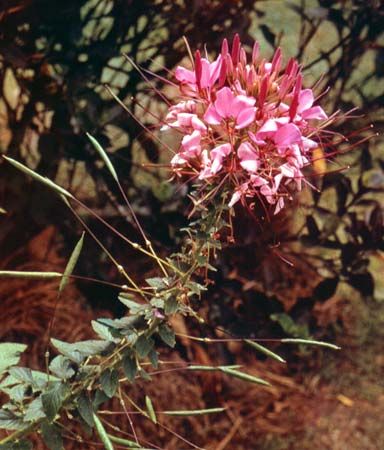
The term "spiderflower" refers to any of approximately 275 species of plants within the genus Cleome of the family Cleomaceae. These are primarily tropical…
What is spiderflower?
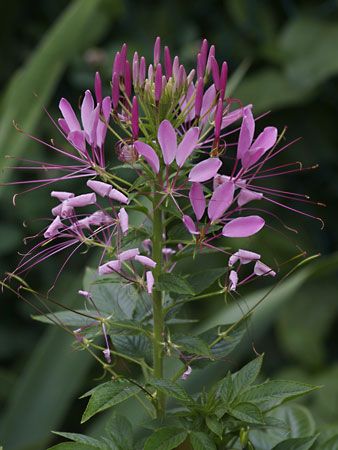
The term “spiderflower” refers to any of approximately 275 species of plants within the genus Cleome of the family Cleomaceae. These are primarily tropical annual herbs known for having a pungent odor.1
A popular cultivated variety is C. hasslerana, which is native to South America and features dark pink flowers that fade to white throughout the day. Another notable species is the Rocky Mountain bee plant (C. serrulata), a North American annual characterized by clusters of spidery pink flowers with long stamens.1
It is important to distinguish the spiderflower from other plants with similar names:
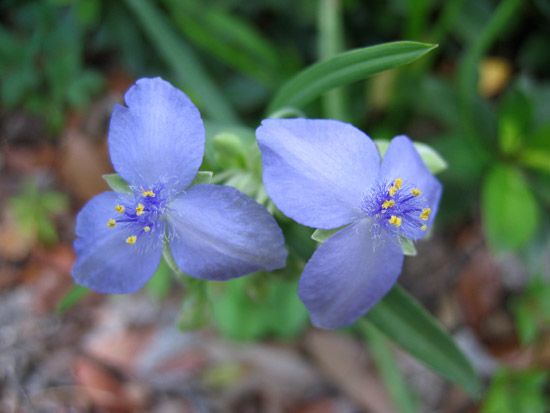
- Spiderwort: A genus (Tradescantia) of perennial herbs often kept as indoor plants or ground cover.2
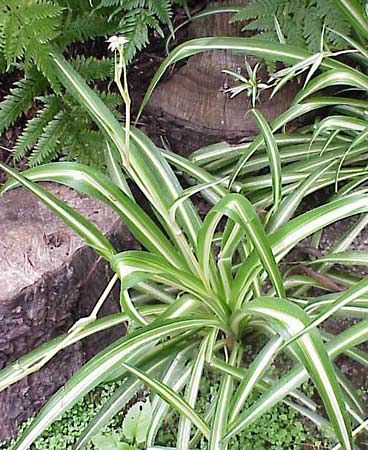
- Spider plant: A popular ornamental houseplant (Chlorophytum comosum) known for its striped leaves and the production of small plantlets.3
How do spider flowers attract pollinators like bees?
Spider flowers, which belong to the genus Cleome, attract pollinators like bees through several specialized floral characteristics. While the provided search results do not detail the specific pollination mechanism of Cleome itself, they highlight the general adaptations that bee-pollinated flowers use to ensure successful reproduction.
Attracting Pollinators
Flowers that rely on bees for pollination typically employ a combination of visual and chemical signals to attract visitors:
- Visual Cues: Bees are highly sensitive to colors in the yellow, blue, and ultraviolet spectrums. They use these colors, along with specific nectar-guide patterns that are often invisible to the human eye, to locate food sources.14
- Fragrance: Many bee-pollinated flowers produce sweet or aromatic scents that help bees identify and remain loyal to a specific plant species.1
- Floral Structure: These flowers often feature a zygomorphic (bilaterally symmetrical) shape with a broad lower lip that serves as a landing platform. This structure allows the bee to sit comfortably while accessing nectar, which is typically located at the base of the corolla tube or in specialized extensions.14
- Rewards: To encourage repeat visits, these flowers provide nectar as a primary food source. Additionally, they often contain nectaries at the base of the stamens, which are the male reproductive organs that produce pollen.5
Ensuring Pollination
Once a bee lands on a flower, the plant ensures efficient pollen transfer:
- Pollen Adherence: The pollen grains of bee-pollinated flowers are often sticky, spiny, or highly sculptured, which helps them adhere to the bodies of the bees as they move through the flower.1
- Efficiency: Because most bee-pollinated flowers are hermaphroditic, they can both deliver and receive pollen during a single visit, maximizing the efficiency of the interaction.1
What is the difference between an annual and a perennial plant?
The primary difference between annual and perennial plants lies in the length of their life cycles and their ability to regrow.
Annual Plants
An annual is a plant that completes its entire life cycle—from germination to seed production—within a single growing season. Once the plant produces seeds, it dies, and the seed is the only part that survives to the next season. This category includes many common vegetables, wildflowers, and garden favorites like marigolds and zinnias.1213
Perennial Plants
A perennial is a plant that persists for several years. These plants regrow and rebloom year after year, typically by utilizing specialized underground structures like bulbs, rhizomes, or tubers to survive through dormant periods), or tubers to survive through dormant periods. All trees and shrubs are perennials, as are many herbaceous plants like chrysanthemums and poppies.1412
In short, if you want a garden that returns on its own, perennials are the reliable choice, whereas annuals require replanting each year.12
Why are some plants named after spiders?
Plants are often given “spider” in their common names due to perceived physical similarities between the plant’s features and the appearance of a spider. This naming convention is a common example of humans assigning names to organisms based on the observation of shared characteristics.15
Specific examples include:
- Spiderflower (Cleome): These plants are named for their long, prominent stamens, which resemble the legs of a spider.161
- Spider Plant (Chlorophytum comosum): This popular houseplant is named for its long, narrow leaves and the way it produces small, spider-like plantlets on long, hanging stems.317
- Spiderwort (Tradescantia): While the name suggests a connection to spiders, these plants are characterized by their clusters of flowers and trailing or erect stems.18
In many cases, these common names are descriptive, helping people identify plants based on their visual traits, even though they differ significantly from the scientific binomial nomenclature used by biologists to classify species precisely.2
Sources
- spiderflower — Encyclopædia Britannica
- spiderwort — Encyclopædia Britannica
- spider plant — Encyclopædia Britannica
- Pollination - Bees — Encyclopædia Britannica
- Rocky Mountain bee plant — Merriam-Webster
- Pollination - Birds — Encyclopædia Britannica
- Stamen — Encyclopædia Britannica
- Asteraceae - Pollination — Encyclopædia Britannica
- Major types of pollinators - Birds — Encyclopædia Britannica
- Pollination - Beetles and flies — Encyclopædia Britannica
- Angiosperm - Pollination — Encyclopædia Britannica
- Is That Plant 'Perennial' or 'Annual'? — Merriam-Webster
- Perennial — Encyclopædia Britannica
- Annual — Encyclopædia Britannica
- spiderflower — Merriam-Webster
- Chlorophytum — Encyclopædia Britannica
- spider plant — Merriam-Webster
- myth - Relationships of similarity — Encyclopædia Britannica
- Why Do Scientific Names Have Two Parts? — Encyclopædia Britannica
Published on · 3 min read