Squid
Squids are distinguished from other cephalopods by several key anatomical and biological characteristics:
What are the main characteristics that distinguish squids from other cephalopods?
Squids are distinguished from other cephalopods by several key anatomical and biological characteristics:
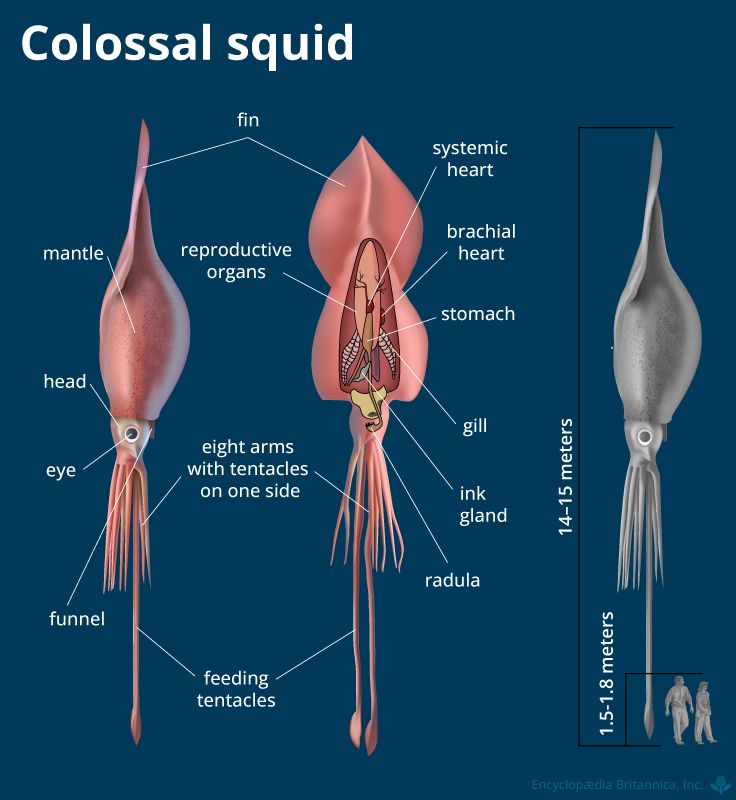
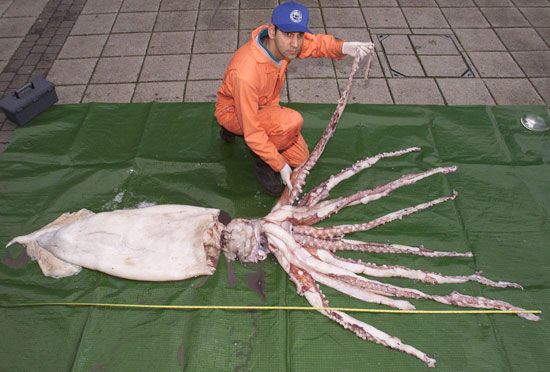
- Appendages: Unlike octopuses, which have eight arms, squids possess 10 appendages: eight arms and two specialized, elongated tentacles. These tentacles are contractile (not retractile into pockets like those of cuttlefish) and feature expanded ends equipped with suckers that often contain toothed, horny rings or hooks.123
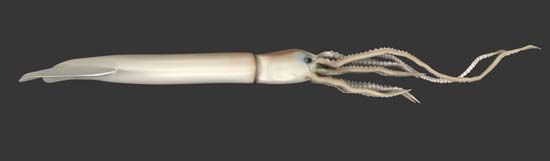
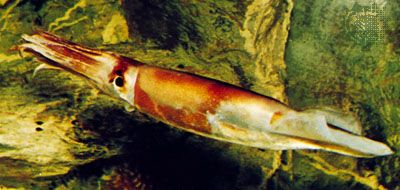
- Body Structure: Squids typically have elongated, tubular bodies and short, compact heads. Their internal anatomy includes a thin, horny, feather-shaped internal shell known as a gladius.13
- Nervous System: Active squids are notable for having giant paired dorsal axons, which have been instrumental in the scientific study of nerve impulse conduction.2
- Eyes: While many cephalopods have complex eyes, squids possess eyes that are set into the sides of the head and are nearly as complex as those of humans. Depending on the suborder, these eyes may be covered by a transparent membrane (Myopsida) or remain open to the water (Oegopsida).13
What is the typical habitat and distribution of various squid species?
Squids are exclusively marine animals found in both coastal and oceanic waters worldwide. Their distribution and habitat preferences vary significantly by suborder and species:21
- Coastal vs. Oceanic: Squids are generally categorized into two groups based on their habitat. The Myopsida are primarily coastal forms, while the Oegopsida are oceanic, inhabiting environments ranging from the surface to depths exceeding 5,000 meters.2
- Geographic Range: Many pelagic and bathypelagic squids are cosmopolitan, thriving in warm and temperate waters. Others are more restricted, with some deep-sea species limited to a single ocean. For example, the colossal squid is found in the cold, deep regions of the Southern Ocean, typically south of the Antarctic Convergence. Conversely, giant squids are believed to be widespread throughout the planet’s deep oceans.278
- Environmental Factors: While most squids require full oceanic salinity, some species, such as Lolliguncula brevis, can tolerate brackish water in coastal bays. Local distribution is often influenced by breeding migrations, where species move into shallower waters during specific seasons.2
What is the largest known species of squid, and how does it compare to other marine animals?
The colossal squid (Mesonychoteuthis hamiltoni) and the giant squid (Architeuthis) share the title of the world’s largest invertebrates. While the giant squid is famous for its extreme length, the colossal squid is generally considered more robust, possessing a larger body and greater mass.79101
Size and Comparison
- Colossal Squid: This species can reach lengths of up to 14 meters (46 feet) and weigh over 500 kg (1,100 pounds). It is also notable for having the largest eyes of any animal in the world, measuring approximately 27 cm (10 inches) in diameter.79
- Giant Squid: The largest documented specimens have reached lengths of about 13 meters (43 feet), with some estimates suggesting a wet weight of up to a ton (907 kg).110
Both species are legendary for their interactions with sperm whales, which are known to prey on adult squids. Evidence of these deep-sea encounters is often found in the form of large, sucker-shaped scars on the whales’ hides and the presence of squid beaks in their stomachs.1910
How do squids differ from their close relatives, the octopuses?
Squids and octopuses are both members of the class Cephalopoda, but they exhibit distinct differences in their anatomy, behavior, and lifestyles.
Anatomical Differences
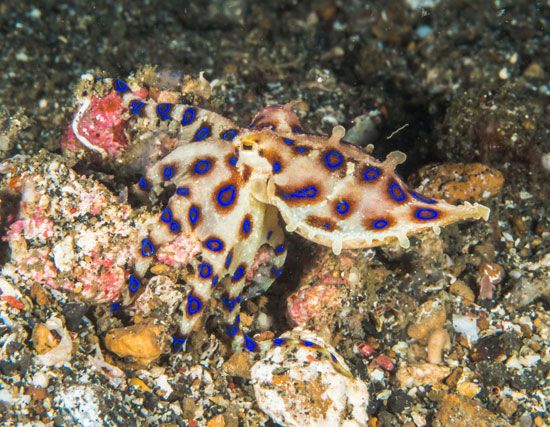
- Appendages: Squids possess ten appendages: eight arms and two specialized tentacles equipped with suckers that often feature teeth or hooks. In contrast, octopuses have eight arms, all of which are lined with suckers but lack the two distinct tentacles found in squids.11
- Body Shape: Squids are generally streamlined and elongated, adapted for active swimming in open water. Octopuses typically have a more saccular, flexible body, which allows them to squeeze through remarkably small openings.1211
Behavioral and Ecological Distinctions
- Habitat and Locomotion: Squids are often swift, active swimmers found in both coastal and oceanic waters. Many species use fins for hovering or slow movement and rely on jet propulsion for rapid travel. Octopuses are primarily bottom-dwelling creatures that crawl along the seafloor using their arms, though they can also use jet propulsion when threatened.21213
- Reproductive Care: A significant difference lies in parental care. In squids, neither sex typically cares for the fertilized eggs, which are laid on vegetation. Conversely, female octopuses (such as Octopus vulgaris) exhibit remarkable brood care, protecting and aerating their egg clusters for weeks.14
- Intelligence and Tool Use: While both groups are highly intelligent, octopuses are particularly noted for their problem-solving abilities. Some species, such as the veined octopus, have been observed using tools, such as carrying coconut shells to use as portable shelters.4
Sources
- squid — Encyclopædia Britannica
- cephalopod - Ecology — Encyclopædia Britannica
- cephalopod - Reproduction and life cycles — Encyclopædia Britannica
- cephalopod - Form and function — Encyclopædia Britannica
- cephalopod - Distinguishing taxonomic features — Encyclopædia Britannica
- cephalopod - Annotated classification — Encyclopædia Britannica
- colossal squid: Top Questions — Encyclopædia Britannica
- giant squid: Top Questions — Encyclopædia Britannica
- How Big Is the Giant Squid? — Encyclopædia Britannica
- colossal squid — Encyclopædia Britannica
- squid: Top Questions — Encyclopædia Britannica
- cephalopod - Locomotion — Encyclopædia Britannica
- cephalopod - Behaviour — Encyclopædia Britannica
- Reproductive behaviour - Mollusks — Encyclopædia Britannica
Published on · 4 min read