Stinging Nettle
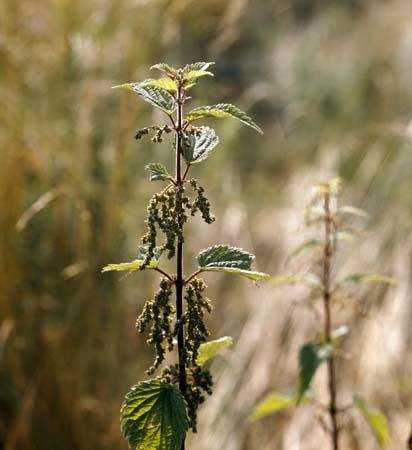
While stinging nettle (Urtica dioica) is widely recognized for its role in folk medicine, the provided search results do not contain specific information…
How have stinging nettles been used in folklore and traditional practices across different cultures?
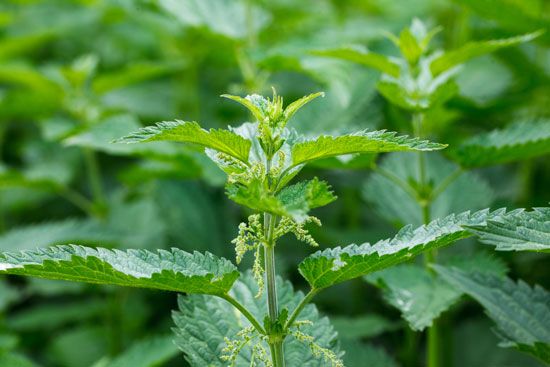
While stinging nettle (Urtica dioica) is widely recognized for its role in folk medicine, the provided search results do not contain specific information regarding its use in folklore or cultural mythology.
In traditional practices, however, the plant has been utilized for centuries. A notable practice is urtification, where fresh stinging leaves are intentionally applied to arthritic joints; this process is believed to stimulate blood flow to the affected area. Beyond its medicinal applications, the plant has historically served as a source of bast fibres for textiles and as a nutritious potherb once cooked, which neutralizes its stinging trichomes.1
While its stinging defense mechanism—which injects a mixture of histamine, formic acid, and other compounds—is a well-documented biological trait, the specific folkloric traditions surrounding the plant remain outside the scope of the available data.1
What are some common recipes or dishes that incorporate stinging nettles?
Stinging nettle (Urtica dioica) is a versatile perennial plant that, despite its painful stinging trichomes, is a nutritious addition to various dishes. The primary requirement for culinary use is heat; cooking or heating the fresh leaves neutralizes the stinging mechanism, rendering them safe for consumption.1
While specific recipes are not detailed in the provided text, the plant is commonly prepared as a potherb. This involves boiling or steaming the young leaves, similar to how one might prepare spinach or other leafy greens. Once cooked, the leaves lose their ability to sting and can be incorporated into a variety of meals.1
Additionally, the leaves are frequently used to make herbal tea. This infusion is a traditional preparation often consumed for its purported health benefits, including its historical use in addressing conditions such as hay fever, diabetes, and gout.1
What are the traditional medicinal uses of stinging nettles?
Stinging nettle (Urtica dioica) has a long history of use as a medicinal herb, although it is important to note that there is limited clinical evidence supporting its efficacy for these traditional applications.1
In folk medicine, various parts of the plant are utilized for a wide array of disorders:
- Rootstock: Often used as a diuretic and as an herbal treatment for urinary disorders, including benign prostatic hyperplasia (prostate enlargement).1
- Leaf Tea: Infusions made from the leaves have been traditionally used to treat hay fever, diabetes, gout, and arthritis.1
- Urtification: This practice involves the direct application of fresh stinging leaves to arthritic joints. The resulting irritation is said to stimulate blood flow to the area.1
- Topical Creams: Extracts have been developed into creams intended to soothe joint pain and address skin ailments such as eczema and dandruff.1
In which regions or habitats are stinging nettles commonly found?
Stinging nettle (Urtica dioica) is a widely distributed perennial plant found across many parts of the globe. It is especially common in Europe, North America, North Africa, and various regions of Asia.1
While the plant is native to Eurasia, it has become widely naturalized in North America. Stinging nettle is known for its ability to spread through yellow creeping rhizomes, which often allows it to form dense colonies in its preferred habitats.21
Sources
- Stinging nettle — Encyclopædia Britannica
- stinging nettle — Merriam-Webster
- nettle — Merriam-Webster
- great nettle — Merriam-Webster
- Urticaceae — Encyclopædia Britannica
- small nettle — Merriam-Webster
Published on · 2 min read