Strophanthus
Strophanthus is a genus of plants within the dogbane family (Apocynaceae), comprising over 40 species of shrubs, small trees, and woody vines native to…
What is Strophanthus?
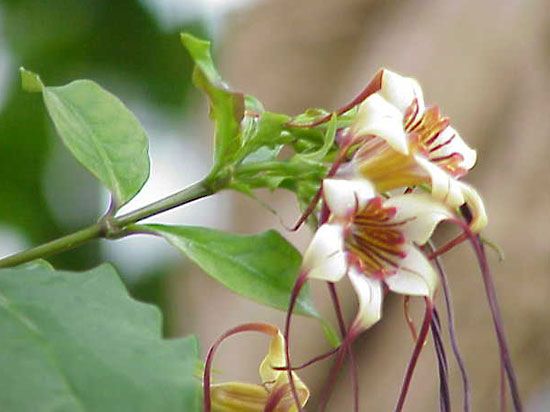
Strophanthus is a genus of plants within the dogbane family (Apocynaceae), comprising over 40 species of shrubs, small trees, and woody vines native to tropical Africa and Southeast Asia. The name is derived from the Greek words for “twisted band” and “flower,” reflecting the long, thread-like petals found on some species.12
The bark and seeds of certain vinelike species contain toxic alkaloids known as strophanthins. These substances have historically been utilized as arrow poisons; however, in controlled, low dosages, they function as cardiac and vascular stimulants similar to digitalis. Additionally, the species S. sarmentosus serves as a source for the production of cortisone.12
How do cardiac glycosides affect the human heart?
Cardiac glycosides are potent inotropic agents that strengthen the force of heart muscle contractions, making them essential for treating congestive heart failure and certain arrhythmias like atrial fibrillation.34
Mechanism of Action
These compounds increase contractile force by inhibiting a membrane enzyme responsible for extruding sodium ions from heart cells. This inhibition leads to an increase in intracellular calcium, which is necessary for muscle cell contraction. By enhancing this process, the drugs enable a weakened heart to maintain adequate circulation.34
Risks and Toxicity
Because the margin between therapeutic and toxic doses is narrow, cardiac glycosides require careful monitoring. Adverse effects include:3
- Rhythm Disturbances: They can cause heart block or generate ectopic heartbeats. Severe toxicity may lead to ventricular fibrillation, which can be fatal.3
- Systemic Symptoms: Common side effects include nausea, vomiting, and loss of appetite.34
- Accumulation: Drugs like digoxin and digitoxin have long half-lives, meaning they can slowly build up in the body, increasing the risk of toxicity over time.34
What other plants have been used as traditional arrow poisons?
Throughout history, various cultures have utilized natural plant toxins to create arrow poisons for hunting and defense. Beyond the previously mentioned Strophanthus species, several other plants are historically documented for this purpose:
- Curare (Strychnos toxifera): Perhaps the most well-known, this South American woody vine is used to produce curare, a potent neuromuscular blocking agent. Indigenous peoples have long used it on arrows and blowgun darts to paralyze game by competing with the neurotransmitter acetylcholine at the neuromuscular junction7.6
- Euphorbia (Euphorbia species): Certain species within this diverse genus produce a milky sap that is highly irritating and toxic, and it has been employed as an arrow poison in various regions.6
- Manchineel (Hippomane mancinella): Found in the West Indies, Florida, and parts of Central and South America, the sap of this tree is notoriously toxic. It causes severe skin irritation and eye hemorrhage, and it has been utilized as a source for arrow poisons.6
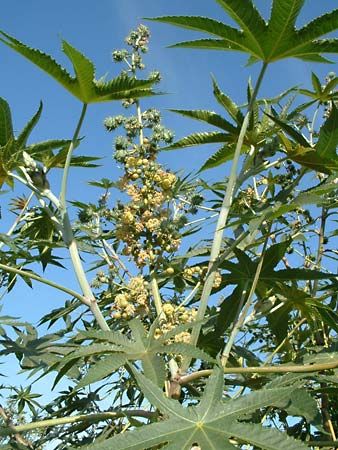
While other plants like monkshood (Aconitum) and castor bean contain extremely lethal toxins such as aconite and ricin, their primary historical notoriety often stems from ingestion or contact toxicity rather than specific use as arrow coatings.76
What are the botanical features of the dogbane family?
The Apocynaceae, commonly known as the dogbane family, is a diverse group of flowering plants within the order Gentianales. This family comprises approximately 400 genera and 4,555 species, ranging from trees and shrubs to woody vines and herbs, primarily found in tropical and subtropical regions.10
Botanical Characteristics
Members of the family are characterized by several distinct features:
- Sap: They typically contain a milky, often poisonous, juice.1011
- Leaves: The leaves are simple and have smooth (entire) margins.1011
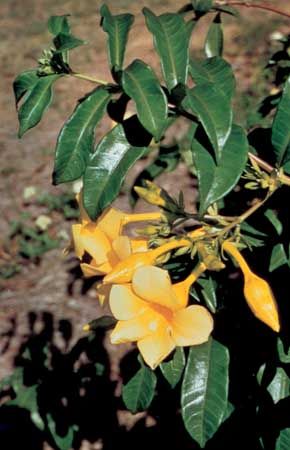
- Flowers: The flowers are often showy and grow in clusters, though they are rarely solitary. In some subfamilies, such as Asclepiadoideae, pollen is organized into bundles called pollinia.101011
- Fruit: The fruit is typically a dry pod, known as a follicle, that splits open at maturity to release winged or tufted seeds, though some species produce berry-like or fleshy fruits.1011
Nearly all members are poisonous due to the presence of alkaloids and cardiac glycosides, which have historically been used for both medicinal purposes and as arrow poisons.10
Sources
- Strophanthus — Encyclopædia Britannica
- strophanthin — Merriam-Webster
- cardiovascular drug - Contractions — Encyclopædia Britannica
- Steroid - Cardiotonic steroids — Encyclopædia Britannica
- digitalis — Encyclopædia Britannica
- toxins Are Often Found in Nature — Merriam-Webster
- curare — Encyclopædia Britannica
- poison - Plant poisons (phytotoxins) — Encyclopædia Britannica
- aconite — Encyclopædia Britannica
- Apocynaceae — Encyclopædia Britannica
- Apocynaceae — Merriam-Webster
Published on · 3 min read