Sucker
The term "sucker" has several distinct meanings depending on the context:
What is sucker?
The term “sucker” has several distinct meanings depending on the context:
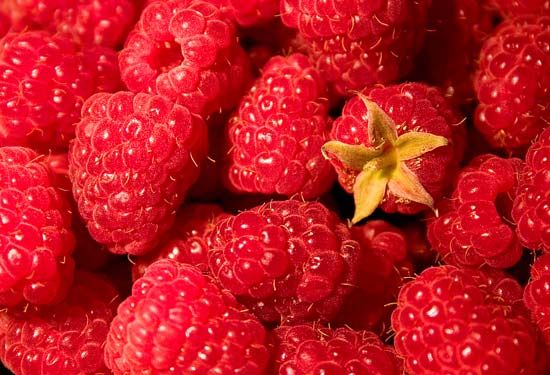
- Botany: A sucker is a shoot that arises adventitiously from the roots or lower stem of a plant. This process, known as suckering, is a form of vegetative reproduction that allows plants like raspberries to spread and regenerate.12
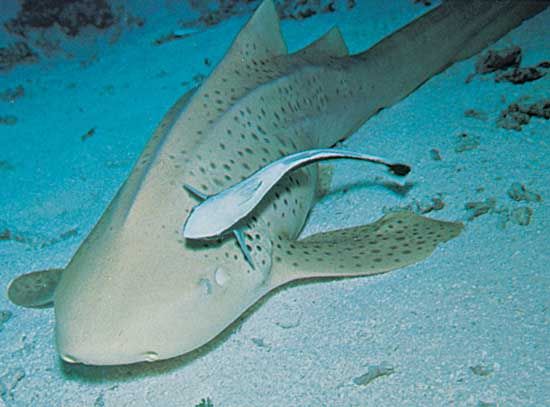
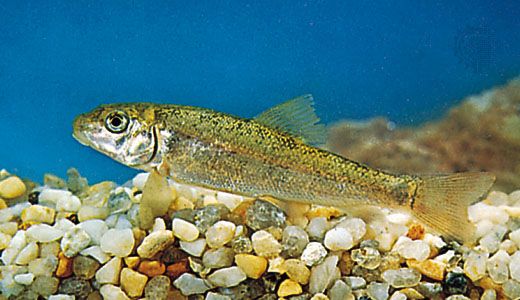
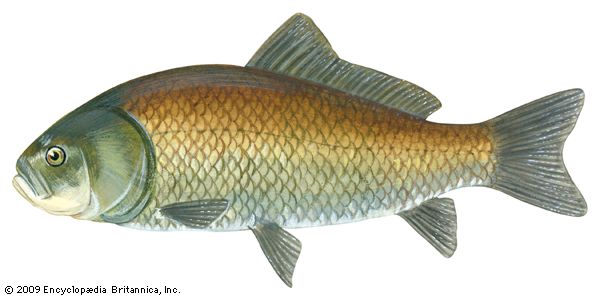
- Zoology: The term refers to various freshwater fishes of the family Catostomidae, which are characterized by thick, soft lips and bottom-feeding habits. It is also used to describe the remora, a fish known for attaching itself to larger marine animals.3
- Colloquial Usage: As a noun, it can describe a person who is easily deceived or cheated, or someone with a strong, habitual liking for something (e.g., “a sucker for movies”). As a verb, it means to fool, trick, or rob someone through deception.4
How do plants use suckers to reproduce asexually?
Plants use suckers as a form of asexual reproduction by developing new shoots adventitiously from their roots or lower stems. This process, known as suckering, relies on the plant’s natural ability to regenerate tissues and organs.356
When a plant produces a sucker, an adventitious bud—one that forms in an unusual location rather than at a typical node—grows into a new stem and root system. Because this new growth is genetically identical to the parent plant, it serves as a natural method for the plant to spread and colonize its surroundings.356
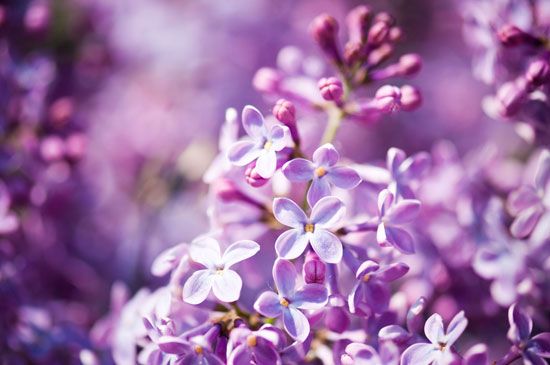
Horticulturists and agriculturists often utilize this mechanism to propagate desired plant varieties, such as red raspberries, lilacs, and forsythia. By allowing these suckers to root and establish themselves, growers can produce exact genetic clones of a superior plant without the variation that occurs through sexual reproduction via seeds.356
What are the physical differences between a sucker fish and a remora?
While the term “sucker” or “suckerfish” is sometimes colloquially applied to both groups, they are biologically distinct animals with significant physical differences:
- Sucker Fish (Family Catostomidae): These are primarily freshwater fishes found mostly in North America and Asia. They are characterized by a protractile, sucking mouth located on the underside of the head, which features thick, soft lips. They are bottom-feeders that typically live and feed near the substrate of streams and brooks.29
- Remora (Family Echeneidae): These are marine fishes found in tropical and subtropical oceans. Their most defining physical feature is a flat, oval sucking disk located on the top of their head, which is derived from the spiny portion of the dorsal fin. This disk contains paired crosswise plates that allow them to attach to and ride on larger marine animals, such as sharks, or even oceangoing ships. Physically, remoras are thin, elongated, and generally dark in color, ranging from 30 to 110 cm in length.10
In summary, while both possess specialized structures for attachment or feeding, the sucker fish uses its mouth for bottom-feeding in freshwater, whereas the remora uses a specialized dorsal-fin disk to adhere to hosts in marine environments.2109
Why do gardeners sometimes remove suckers from trees and shrubs?
Gardeners often remove suckers from trees and shrubs because these shoots can divert essential energy and nutrients away from the main plant, potentially weakening its overall growth and vigor. By pruning away these adventitious stems, gardeners ensure that the plant directs its resources toward the primary structure, fruit production, or desired aesthetic form rather than toward uncontrolled vegetative expansion.3
Additionally, in grafted plants—where a desirable variety is joined to a different rootstock—suckers that emerge from below the graft union often represent the rootstock’s growth rather than the intended variety. Removing these suckers prevents the rootstock from overtaking the plant, which would otherwise result in the loss of the specific characteristics of the grafted cultivar. While suckering is a natural and effective method of asexual reproduction for many species, managing it is a key practice in maintaining the health and identity of cultivated plants.3
Sources
- sucker — Merriam-Webster
- suckerfish — Merriam-Webster
- suckering — Encyclopædia Britannica
- Vegetative reproduction — Encyclopædia Britannica
- horticulture - Vegetative propagation — Encyclopædia Britannica
- horticulture - Vegetative structures — Encyclopædia Britannica
- Adventitious root — Encyclopædia Britannica
- apical meristem — Encyclopædia Britannica
- remora — Encyclopædia Britannica
- ostariophysan - Annotated classification — Encyclopædia Britannica
Published on · 3 min read