Sutherland Falls
Sutherland Falls is a spectacular series of three cataracts located on the Arthur River in the southwest portion of New Zealand's South Island. Situated…
What is Sutherland Falls?
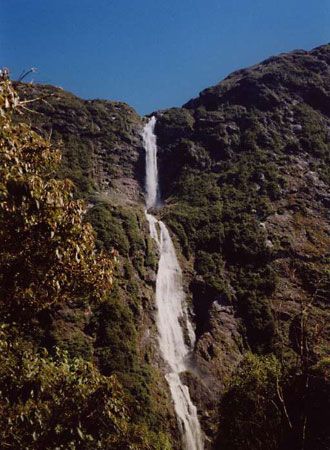
Sutherland Falls is a spectacular series of three cataracts located on the Arthur River in the southwest portion of New Zealand’s South Island. Situated within Fiordland National Park, the falls are fed by the snow-fed Lake Quill and rank among the highest in the world.12
The water descends a total of 1,904 feet (580 meters) in three distinct leaps measuring 815 feet, 751 feet, and 338 feet. The site is named after Donald Sutherland, a prospector who became the first European to encounter the falls in 1880.1
What is the significance of Fiordland National Park?
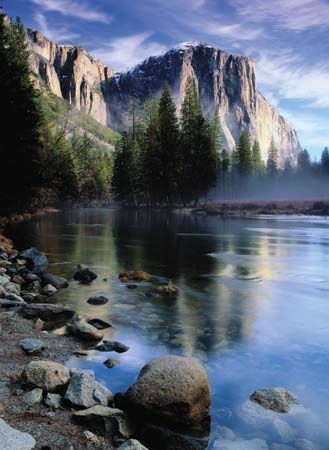
Fiordland National Park is significant for its immense size, ecological diversity, and status as a protected natural treasure. Covering approximately 4,600 square miles (12,000 square km), it is one of the largest national parks in the world. largest national parks in the world.3
Its primary significance includes:
- World Heritage Status: Along with other nearby parks, it forms the Te Wahipounamu area, which was designated a UNESCO World Heritage site in 1990 for its outstanding natural value.34
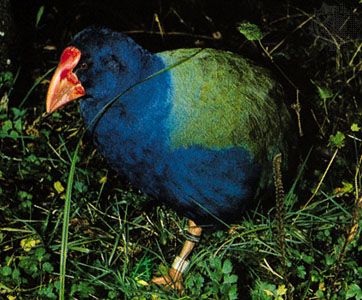
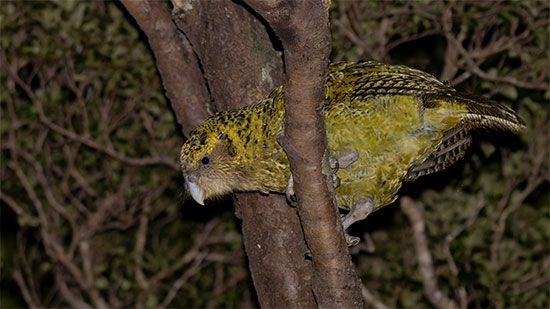
- Biodiversity: The park serves as a vital refuge for rare species, including the flightless takahe and the kakapo, both of which were once thought to be extinct.3
- Geological Grandeur: It is renowned for its rugged fjords, deep lakes—such as Lake Hauroko—and dramatic features like Sutherland Falls.3
- Resource Management: The park’s lakes, including Te Anau, are utilized for hydroelectric power, balancing human needs with the preservation of its dense temperate rainforest.3
How are waterfalls formed by glaciers?
Waterfalls are frequently formed by glaciation through several distinct geological processes:
- Hanging Valleys: As a large trunk glacier moves, it erodes its main valley much more deeply than the smaller tributary glaciers that feed into it. When the ice retreats, these tributary valleys are left “hanging” high above the floor of the main valley. Streams flowing from these elevated valleys must drop abruptly to join the main drainage system, creating waterfalls.567
- Glacial Stairways: The movement of ice over bedrock can create a series of giant “treads and risers,” often due to variations in rock resistance. Once the ice melts, the resulting runoff forms a series of cascades or waterfalls at each riser.5
- Glacial Potholes: Plastic flow at the base of a glacier can gouge semicylindrical holes into the bedrock. These depressions are later deepened by gravel-laden meltwater, becoming sites for modern cascades.5
- Ice Damming: During glacial periods, ice sheets can block rivers, creating large lakes. When these ice dams break, the resulting torrents can carve deep channels and create massive, sometimes temporary, waterfalls.8
What other famous landmarks are located in New Zealand?
New Zealand is home to a variety of iconic natural and cultural landmarks, many of which are recognized as UNESCO World Heritage sites.
Natural Landmarks
- Aoraki/Mount Cook: Located in the Southern Alps, this is New Zealand’s highest peak, reaching 12,316 feet (3,754 metres).1112
- Tongariro National Park: Situated on the North Island, this park includes the volcanic Mount Ruapehu and holds great cultural and religious significance for the Māori people.1314
- Te Wāhipounamu: This vast wilderness area in the southwest of the South Island encompasses several national parks, including Westland Tai Poutini and Mount Aspiring, featuring glaciers, rainforests, and mountains.1312
- Waitomo Caves: Famous for their stalactites and stalagmites, these caves are illuminated by thousands of glowworms.11
- Lake Taupō: New Zealand’s largest natural lake, which occupies an ancient volcanic crater.11
Cultural Landmarks
- Te Papa Tongarewa: The national museum of New Zealand, located in Wellington, which houses extensive collections on the country’s natural and national history.15
Sources
- Sutherland Falls — Encyclopædia Britannica
- Sutherland Falls — Merriam-Webster
- Fiordland National Park — Encyclopædia Britannica
- Mount Aspiring National Park — Encyclopædia Britannica
- river - Falls attributable to discordance of river profile — Encyclopædia Britannica
- glacial landform - Hanging valleys — Encyclopædia Britannica
- glacial valley — Encyclopædia Britannica
- river - Falls attributable to constructional processes — Encyclopædia Britannica
- waterfall — Encyclopædia Britannica
- glacial landform - Glacial erosion — Encyclopædia Britannica
- New Zealand - Sports and recreation — Encyclopædia Britannica
- New Zealand - Relief of New Zealand — Encyclopædia Britannica
- New Zealand - Cultural institutions — Encyclopædia Britannica
- South Island — Encyclopædia Britannica
- list of World Heritage sites - New Zealand — Encyclopædia Britannica
- North Island — Encyclopædia Britannica
Published on · 3 min read