Kakapo
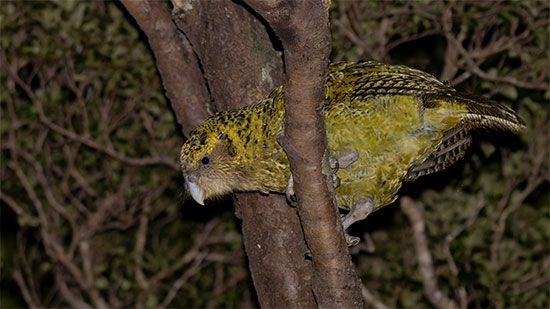
The kakapo (Strigops habroptilus) is a unique, flightless parrot native to New Zealand that possesses a specialized feeding method. Rather than simply…
What is the diet of the kakapo, and how does it differ from other parrots?
The kakapo (Strigops habroptilus) is a unique, flightless parrot native to New Zealand that possesses a specialized feeding method. Rather than simply consuming food, the kakapo waddles to feeding areas where it chews plants to extract their juices and digs up rhizomes, which it then crushes with its stout, ridged bill.1
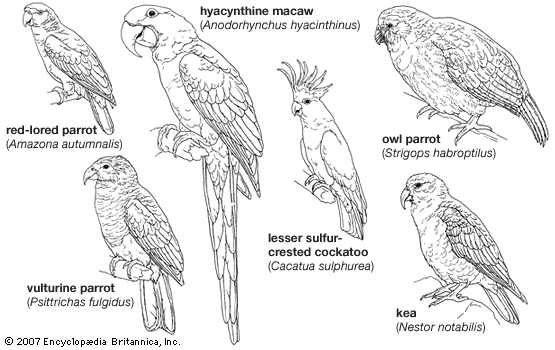
While most parrots feed on a variety of plant materials—such as seeds, fruits, nuts, blossoms, and occasionally insects or fungi—the kakapo’s reliance on plant juices and rhizomes distinguishes it from many other species. Furthermore, while some parrots, like the kea, are known to consume carrion or even attack sheep, the kakapo is described as an unusually gentle and tame herbivore. Its specialized diet and nocturnal, flightless nature set it apart from the broader, more diverse feeding habits found across the Psittaciformes order.2341
Where is the kakapo native to, and what is its current conservation status?
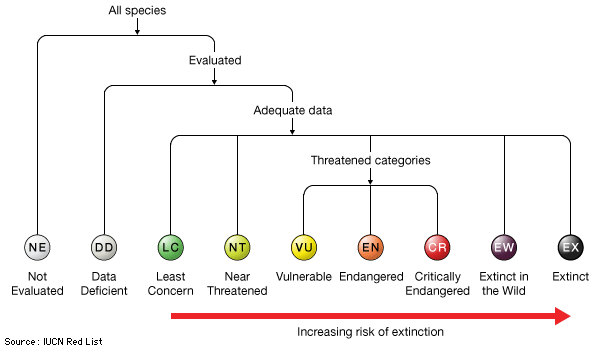
The kakapo is native to New Zealand. It is currently classified by the International Union for Conservation of Nature and Natural Resources as a critically endangered species, a status it has held since 2000.21
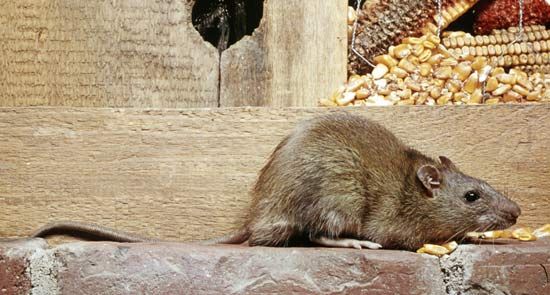
The species faced near-extinction in the 1950s due to the introduction of predators and competitors—such as rats, weasels, cats, and ferrets—by human immigrants. To ensure their survival, the New Zealand government relocated 61 birds to three predator-free offshore island sanctuaries. Current conservation efforts to support the remaining population of approximately 100–150 birds include supplementary feeding programs and artificial incubation to improve breeding success.21
What makes the kakapo’s mating system unusual among birds?
The kakapo exhibits a mating system that is highly unusual, particularly when compared to other members of the parrot family. While most parrots are monogamous and form strong pair bonds, the kakapo utilizes a lek mating system.12
In this system, males gather at traditional, cleared arenas to compete for the attention of females. During the breeding season, a male will construct pathways to his display site, inflate his chest like a bullfrog, and emit a resonant, low-frequency “boom” that can travel for half a mile to attract mates.1
This system is distinct from other parrots in several key ways:
- Lack of Pair Bonding: Unlike most parrots, which engage in mutual preening and shared parental care, male kakapos play no role in raising the young.12
- Solitary Nesting: Females nest alone in holes in the ground and are solely responsible for rearing their chicks.61
- Low Reproductive Frequency: Kakapos breed only every two to five years, and females do not reach sexual maturity until they are between 5 and 11 years old, which is significantly delayed compared to other parrot species.61
What role does the kakapo play in Maori culture and mythology?
The provided search results do not contain information regarding the specific role of the kakapo in Māori culture and mythology. While the text notes that the Māori people were among those who introduced predators to New Zealand, which contributed to the decline of the species, it does not detail the bird’s cultural or mythological significance.
Sources
- Kakapo: Top Questions — Encyclopædia Britannica
- Kakapo — Encyclopædia Britannica
- Psittaciform - Habitat and food choice — Encyclopædia Britannica
- Psittaciform - Importance to humans — Encyclopædia Britannica
- parrot — Encyclopædia Britannica
- Reproductive behaviour - Birds — Encyclopædia Britannica
- Psittaciform - Reproduction — Encyclopædia Britannica
- kakapo — Merriam-Webster
Published on · 2 min read