Sycamore
The term "sycamore" refers to several distinct types of trees, depending on the region and context.
What is sycamore?
The term “sycamore” refers to several distinct types of trees, depending on the region and context.12
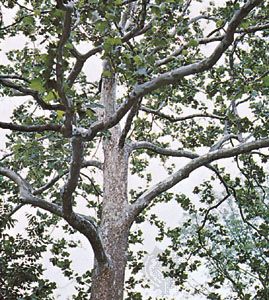
- American Sycamore: In the United States, the name typically refers to the American plane tree (Platanus occidentalis), a massive, fast-growing tree known for its scaling, multicolored bark and large, palmately lobed leaves.13
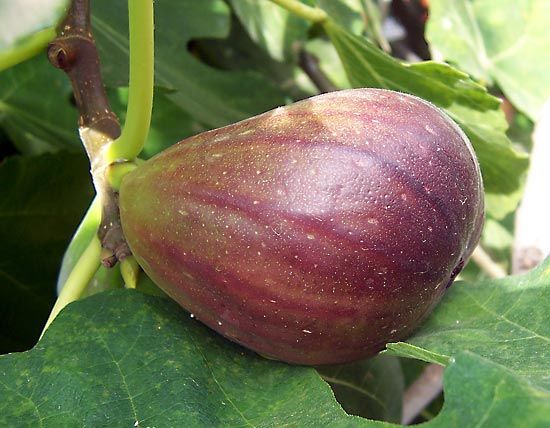
- Sycamore Fig: The sycamore mentioned in the Bible is the sycamore fig (Ficus sycamorus), a tree native to Africa and the Middle East that produces edible fruit. Ancient Egyptians famously utilized its wood to construct mummy cases.12
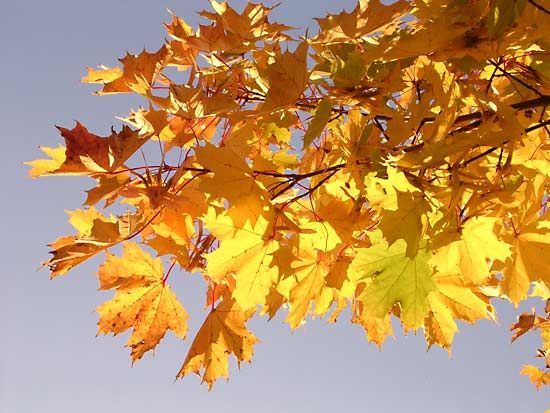
- Sycamore Maple: The sycamore maple (Acer pseudoplatanus), also known as the mock plane, is a Eurasian species widely planted as a shade tree. Despite the common name, it is a member of the maple family and is distinct from the plane trees.123
Other species, such as the California sycamore (Platanus racemosa), also share the name due to their physical similarities to the American plane tree.34
How does the bark of a sycamore tree change as it grows?
The bark of a sycamore tree (Platanus) is characterized by its distinct, flaking, and patchy appearance as the tree grows.5
This unique aesthetic is a result of the tree’s growth process involving the cork cambium, which produces cork cells that push older tissues toward the outer margins of the stem. In sycamores, this process leads to the outer bark—which consists of dead, nonfunctional tissue—tearing and sloughing off in irregular patches. As the tree increases in diameter, the bark cannot stretch to accommodate the growth, causing the older, darker outer layers to peel away and reveal the lighter, smoother, and often multicolored inner bark beneath. This cycle of shedding and renewal creates the signature mottled or “camouflage” pattern associated with mature sycamores.5
What are the main differences between a maple tree and a plane tree?
While the terms are sometimes used interchangeably in common language—particularly regarding the sycamore maple—maple trees and plane trees belong to entirely different botanical families and exhibit distinct characteristics.
Key Differences
- Taxonomy: Plane trees belong to the family Platanaceae and the single genus Platanus. In contrast, maples belong to the family Sapindaceae (formerly Aceraceae) and the genus Acer.31
- Bark: A defining feature of the plane tree is its scaling, patchy bark that flakes off to reveal lighter, multicolored layers of white, gray, green, and yellow. While some maples have interesting bark, they do not typically exhibit this specific “camouflage” shedding pattern.3
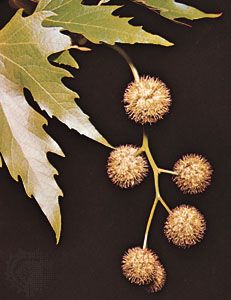
- Reproductive Structures: Plane trees produce flowers of both sexes on the same tree in distinct, globose (ball-shaped) heads. Their seeds are often found in these characteristic dangling, bristly balls. Maples are known for their distinct winged fruits, often called samaras or “helicopters,” which are not found on plane trees.36
The sycamore maple (Acer pseudoplatanus) is often confused with plane trees because of its common name and similar leaf shape, but it remains a true member of the maple family.31
Why were sycamore fig trees important to ancient Egyptian culture?
The tree referred to in ancient Egyptian culture is the sycamore fig (Ficus sycamorus), which is distinct from the American plane tree or the sycamore maple often called “sycamore” in other contexts.1
In ancient Egypt, the sycamore fig was highly valued for its wood, which was notably used to craft mummy cases for the deceased. Due to its cultural and religious significance, it is sometimes referred to as the Pharaoh’s fig.178
Sources
- sycamore — Encyclopædia Britannica
- sycamore — Merriam-Webster
- plane tree — Encyclopædia Britannica
- California sycamore — Merriam-Webster
- Tree - Tree bark — Encyclopædia Britannica
- platanus — Merriam-Webster
- Pharaoh's fig — Merriam-Webster
- Pharo fig — Merriam-Webster
Published on · 3 min read