Fig
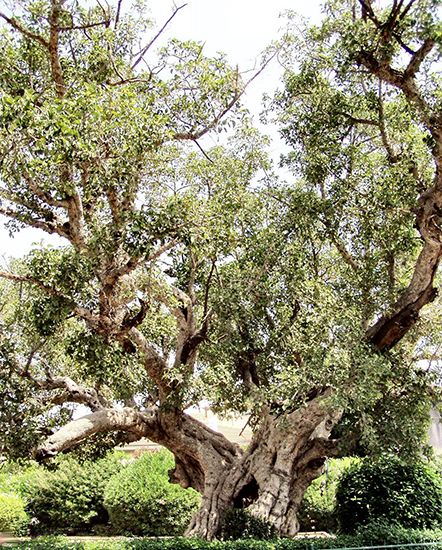
The fig plant belongs to the genus Ficus, which comprises approximately 900 species of trees, shrubs, and vines. These plants are classified within the…
What is the scientific classification of the fig plant?
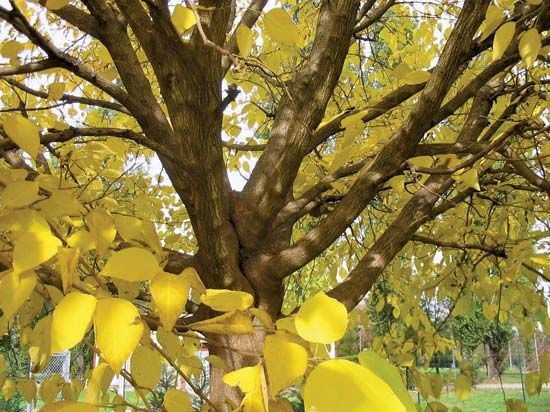
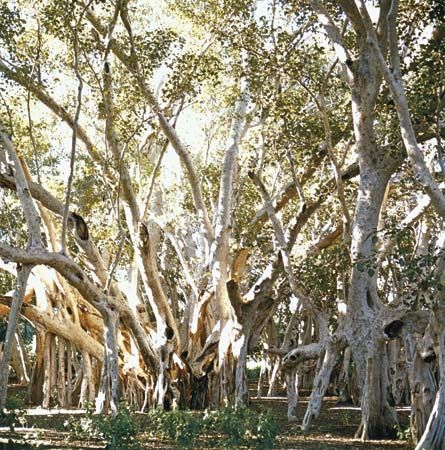
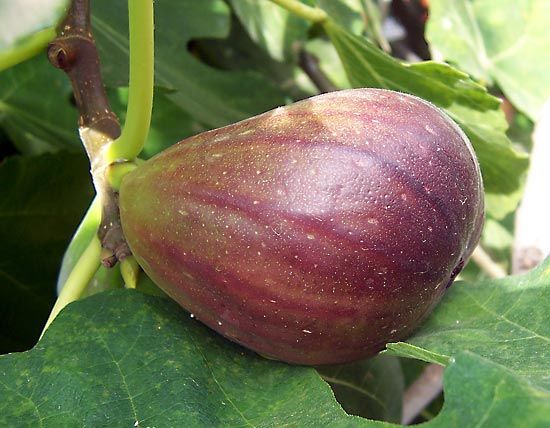
The fig plant belongs to the genus Ficus, which comprises approximately 900 species of trees, shrubs, and vines. These plants are classified within the family Moraceae.
While the genus includes a wide variety of species—such as the common fig (Ficus carica), the banyan (F. benghalensis), and the Bo tree (F. religiosa)—they are all characterized by a unique pollination relationship with species-specific fig wasps. This coevolution is so specialized that the plants and their corresponding wasps are mutually dependent for survival.12
What are the unique characteristics of fig flowers and their pollination process?
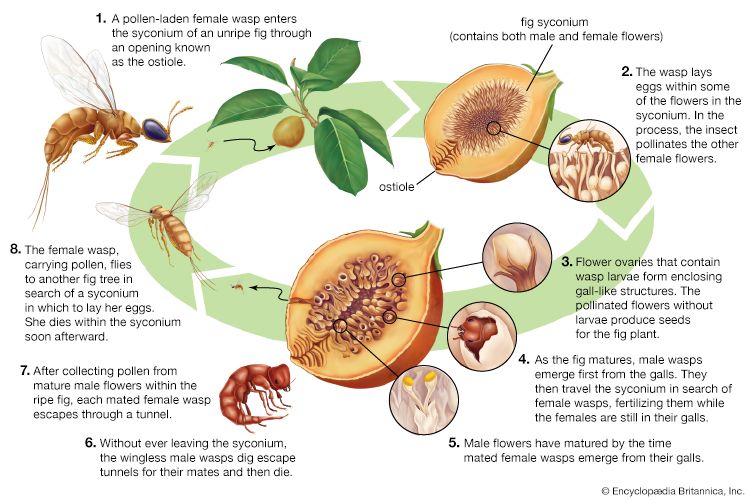
The fig plant possesses a unique reproductive structure known as a syconium, which is an enlarged, fleshy, and hollow receptacle that completely encloses the plant’s tiny flowers inside. Because these flowers are hidden from view, the pollination process is highly specialized and relies on a profound coevolutionary relationship with fig wasps.234
The Pollination Process
Each species of fig is pollinated by a specific species of wasp, and neither organism can survive without the other. The process typically involves the following steps:2
- Egg Deposition: A female wasp enters the syconium to lay her eggs. In caprifigs, which contain short-styled female flowers, she successfully deposits eggs, causing the flowers to develop into galls.24
- Mating: Male wasps emerge first, chew holes in the galls to mate with females, and often dig escape tunnels before dying inside the fig.2
- Pollen Transfer: The impregnated female emerges from her gall and exits the syconium. As she departs, she passes by male flowers and becomes covered in [pollen].2
- Fertilization: She then flies to another fig to deposit her eggs. While doing so, she transfers the pollen, which is essential for the ripening of many economically valuable fig varieties, such as the Smyrna fig.24
What are some popular varieties of figs, and how do they differ?
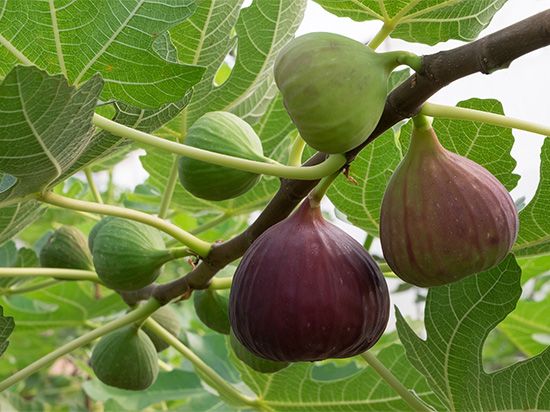
Horticultural figs are categorized into four primary types based on their pollination requirements and fruit development. Because fig nomenclature is often confused—with the same variety frequently known by different names in different regions—these classifications help distinguish how they grow.4
Horticultural Types of Figs
- Common: These varieties, such as Dottato (also known as Kadota), Fraga, and Brown Turkey (sometimes called San Pedro Black or Black Spanish), do not require pollination to produce fruit. The seeds within these figs are typically hollow.4
- Smyrna: These figs require pollination by the fig wasp to develop fruit. The presence of fertile seeds resulting from this process gives the fruit its characteristic nutty flavor and high quality. An example is the Lob Injir, known as Calimyrna in California.4
- White San Pedro: These trees exhibit a hybrid behavior. Their first crop develops without pollination, while the second crop requires it.4
- Caprifig: These trees produce inedible fruit that serves as the essential home for the fig wasp. They contain both male and short-styled female flowers, providing the pollen necessary for the other types.4
How do fig trees reproduce and what is the role of fig wasps in this process?
Fig trees reproduce through a highly specialized coevolutionary relationship with fig wasps. Unlike most plants, fig flowers are hidden inside a fleshy, enclosed structure called a syconium, which is often mistaken for the fruit itself.24
The Role of the Fig Wasp
The reproductive cycle relies on the wasp entering the syconium to lay eggs. The process functions as follows:
- Egg Deposition: A female wasp enters the syconium to deposit eggs at the base of female flowers. In caprifigs, which have short-styled flowers, she succeeds, and the flowers develop into galls that house the developing wasps.24
- Mating and Emergence: Wingless male wasps emerge first, mate with females inside their galls, and often create escape tunnels before dying within the fig.2
- Pollination: The impregnated female emerges, passing by male flowers near the syconium’s apex. She becomes covered in pollen and flies to another fig to deposit her eggs, inadvertently pollinating the flowers in the process.24
While some edible figs do not require pollination to ripen, others, such as the Smyrna fig, depend entirely on this process to produce fertile seeds and develop their characteristic flavor.24
Sources
Published on · 3 min read