Tadpole Shrimp
Tadpole shrimp, members of the order Notostraca, are defined as branchiopod crustaceans by several distinct anatomical and developmental characteristics:
What are the key characteristics that define tadpole shrimp as branchiopod crustaceans?
Tadpole shrimp, members of the order Notostraca, are defined as branchiopod crustaceans by several distinct anatomical and developmental characteristics:
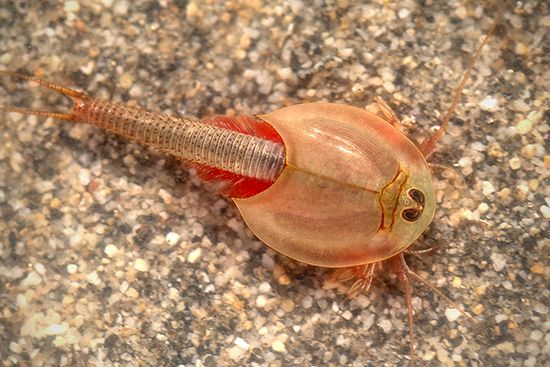
- Carapace and Body Structure: They possess a large, domed, oval carapace that covers the head and a portion of the trunk. Their bodies are elongated, consisting of up to 44 segments, and terminate in a telson with paired, threadlike rami.12
- Appendages: A defining feature of the class Branchiopoda is the form of their trunk limbs, which are typically leaflike. Tadpole shrimp can have up to 71 pairs of these limbs. Notably, their first pair of trunk limbs is elongated and functions as a tactile organ, while their antennae are either reduced or absent.12
- Eyes: Unlike some other branchiopods, tadpole shrimp have paired, compound eyes that are not located on stalks.2
- Development: Like many other branchiopods, they hatch as nauplius larvae. They are also known for producing eggs highly resistant to desiccation, allowing them to survive in soil for years until temporary pools refill.321
How do tadpole shrimp feed, and what types of food do they consume?
Tadpole shrimp, which belong to the order Notostraca, are bottom-dwelling crustaceans that typically inhabit freshwater environments such as lakes, ponds, and temporary pools. Their feeding habits are characterized by their position at the bottom of these water bodies, where they act as both scavengers and predators.
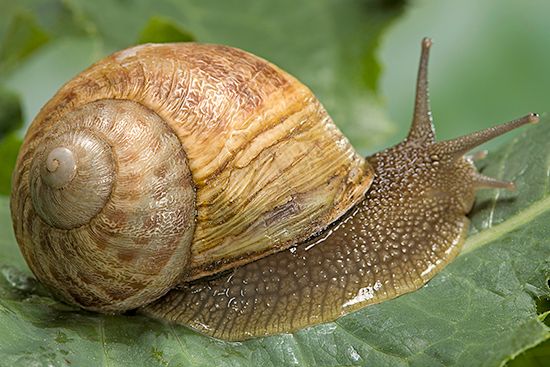
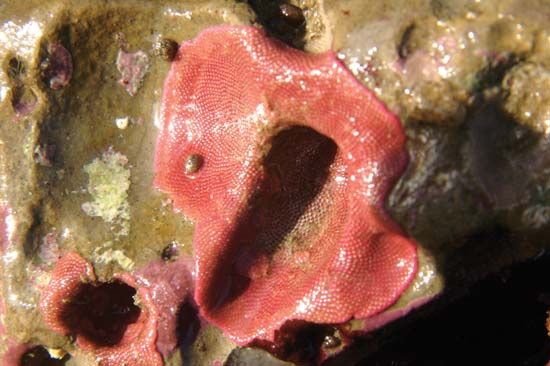
Regarding their diet, tadpole shrimp consume organic debris found on the substrate. Additionally, they actively prey on small aquatic animals and various larvae. While they are known for this opportunistic feeding behavior, they do not utilize the specialized feeding structures found in other aquatic organisms, such as the radula of a gastropod or the ciliated lophophore tentacles of a moss animal. Instead, they rely on their specialized, leaflike trunk appendages to navigate their environment and process food as they move along the bottom.1
What role do tadpole shrimp play in their ecosystem, and how do they interact with other organisms?
Tadpole shrimp, belonging to the order Notostraca, serve as active participants in their freshwater ecosystems, functioning primarily as bottom-dwelling scavengers and predators. By inhabiting the substrate of lakes, ponds, and temporary pools, they play a key role in nutrient cycling by consuming organic debris that settles on the bottom.1
Their interactions with other organisms are defined by their predatory behavior. Tadpole shrimp actively hunt small aquatic animals and various larvae, effectively acting as a population control mechanism for these smaller organisms within their habitat. Because they thrive in temporary pools that may dry up, their life cycle is uniquely adapted to these environments; their eggs are highly resistant to desiccation and can remain dormant in the soil for many years. This allows them to quickly re-establish their presence and resume their ecological role as scavengers and predators as soon as the pools refill with water.1
How do tadpole shrimp differ from other types of freshwater crustaceans?
Tadpole shrimp, members of the order Notostraca, are distinguished from other freshwater crustaceans by several unique physical and reproductive characteristics:
- Body Morphology: They possess a distinctive, large, oval, shell-like carapace that covers the front of their body, followed by a slender, flexible abdomen ending in a long, forked tail. Their bodies can reach up to 100 mm (4 inches) in length and contain up to 40 segments, with some species sporting as many as 70 pairs of leaflike appendages.1
- Reproductive Adaptations: Unlike many other crustaceans, some tadpole shrimp are hermaphrodites, possessing ovaries that contain sperm-producing lobes alongside developing eggs. Furthermore, they are uniquely adapted to ephemeral environments; their eggs are highly resistant to desiccation and can remain dormant in dry soil for many years, hatching only when pools refill with water.81
- Brood Management: Similar to other branchiopods, they utilize a brood pouch located on or behind their limbs, which is often formed by the carapace, to protect their developing eggs.8
While they share the nauplius larval stage common to many crustaceans, their specific combination of a shield-like carapace and extreme environmental resilience sets them apart from groups like fairy shrimp or water fleas.18
Sources
- tadpole shrimp — Encyclopædia Britannica
- crustacean - Reproduction and life cycles — Encyclopædia Britannica
- branchiopod - Annotated classification — Encyclopædia Britannica
- tadpole shrimp — Merriam-Webster
- moss animal - Food and feeding — Encyclopædia Britannica
- gastropod - Food and feeding — Encyclopædia Britannica
- crustacean - Appendages — Encyclopædia Britannica
- List of crustaceans — Encyclopædia Britannica
- amphibian - Larval stage — Encyclopædia Britannica
Published on · 3 min read