Tarantula
Tarantulas are classified within the family Theraphosidae. They belong to the infraorder Mygalomorphae, a group of spiders distinguished by their jaws, which…
How are tarantulas classified within the spider family, and how many species exist?
Tarantulas are classified within the family Theraphosidae. They belong to the infraorder Mygalomorphae, a group of spiders distinguished by their jaws, which move forward and down rather than sideways and together. There are more than 1,000 known species of tarantulas distributed across approximately 160 genera.12
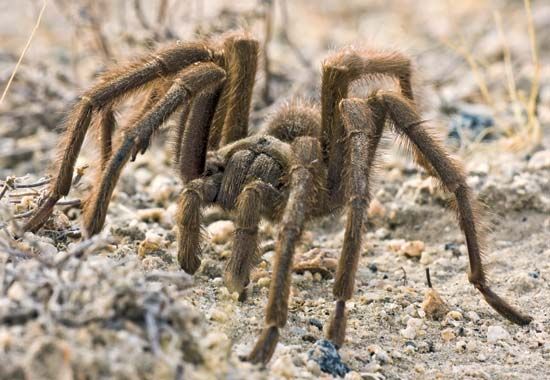
Beyond their classification as mygalomorphs, tarantulas are characterized by their large, hairy bodies and specific anatomical features, including two pairs of book lungs and three-segmented spinnerets. While they are often perceived as intimidating, they are generally harmless to humans, though they can inflict painful bites if provoked. Many species, particularly those in the New World, also utilize urticating hairs as a defensive mechanism to deter predators.12
What are the defining characteristics of tarantulas that distinguish them from other spiders?
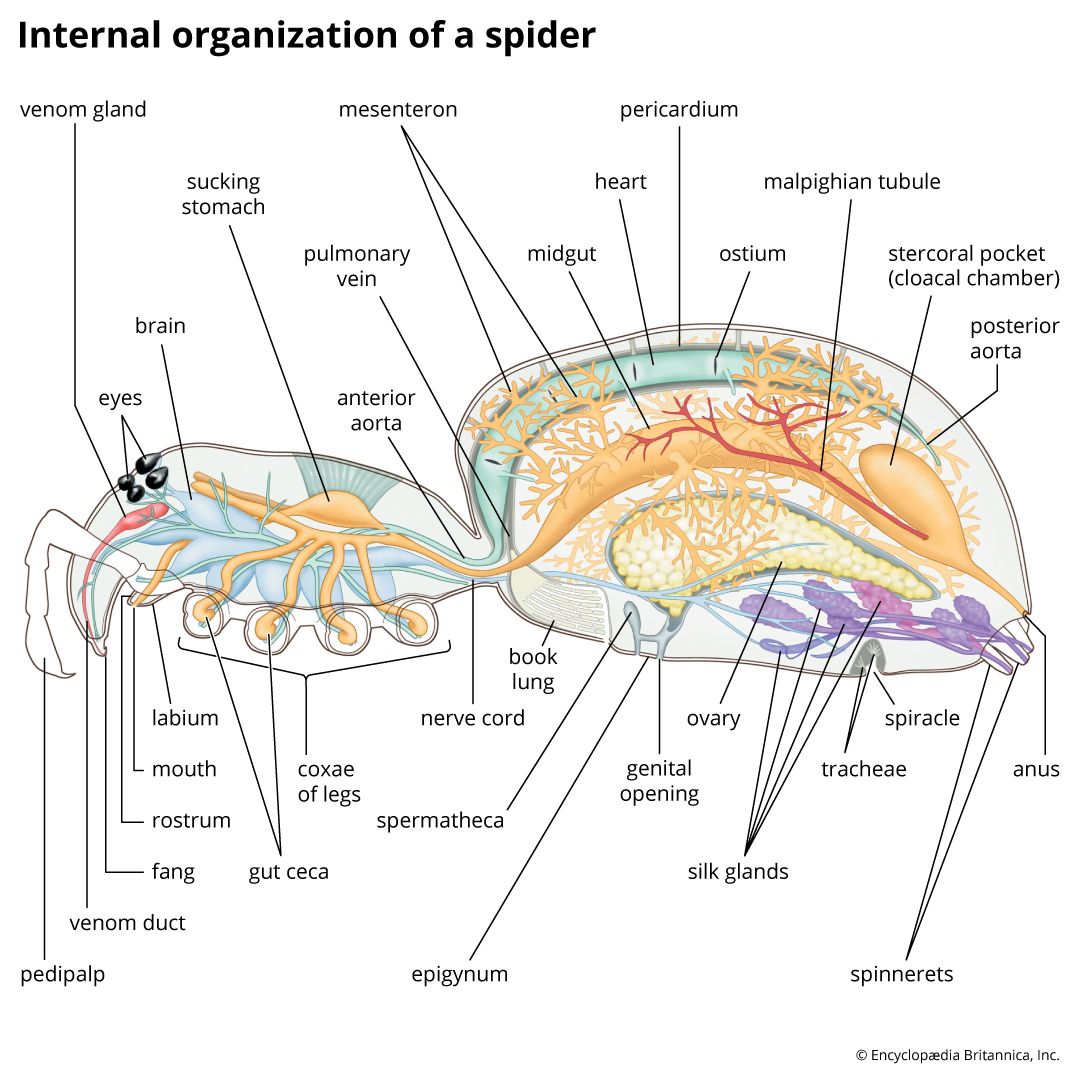
Tarantulas are distinguished from other spiders by a specific combination of physical and anatomical traits. As members of the infraorder Mygalomorphae, they are primarily defined by their jaws, which move forward and down in a parallel, paraxial motion; this contrasts with the majority of spiders (araneomorphs), whose jaws move sideways and together.152
Beyond their jaw structure, tarantulas are characterized by the following defining features:
- Anatomy: They possess two pairs of book lungs and three-segmented spinnerets, which are key internal and external markers of their classification.167
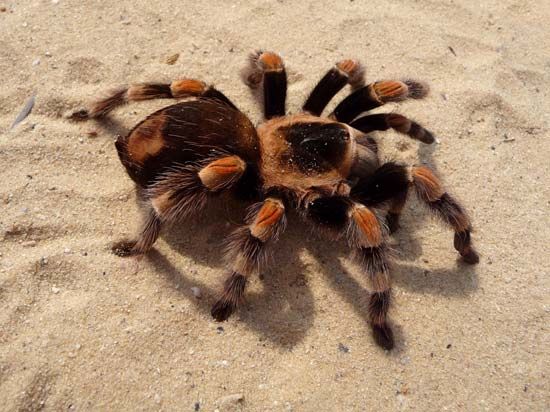
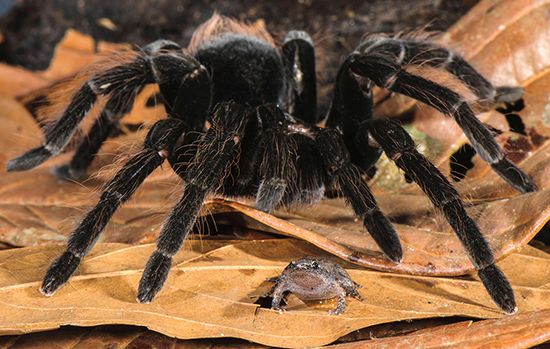
- Appearance: They are generally large and covered in hair, including their legs.16
- Defense Mechanisms: Many New World species possess urticating (stinging) hairs on their abdomen, which they can release as a defensive cloud to irritate potential predators. In contrast, many Old World species lack these hairs and rely instead on speed, threat displays, and more potent venom.18
- Behavior: While behavior varies, many are nocturnal, ground-dwelling, and construct silk-lined burrows.167
Where are tarantulas found in the wild, and what types of habitats do they prefer?
Tarantulas are found globally, with significant populations in the southwestern United States, Mexico, and across tropical America. They are also native to various regions in Africa, Asia, and Australia.1
Regarding their preferred habitats, tarantulas exhibit diverse behaviors:
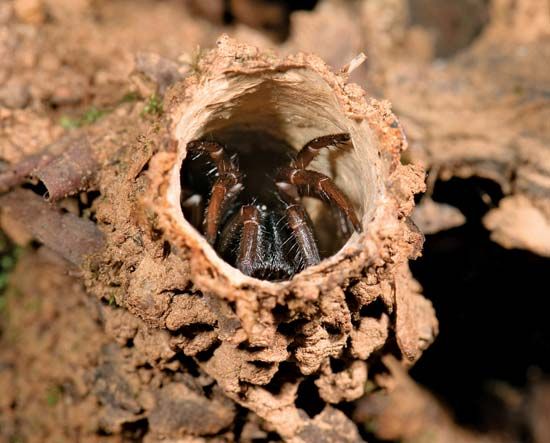
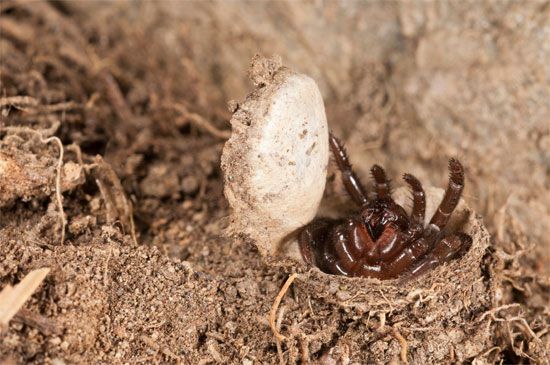
- Burrowing: Many species are ground-dwelling and construct silk-lined burrows in the soil. For example, the desert tarantula creates burrows approximately 20 cm (8 inches) long in arid regions, such as the Sonoran Desert, where they remain during the day to avoid heat and predators.12
- Arboreal: Some species are arboreal, living in trees rather than on the ground.1
- Shelter: When not in burrows, tarantulas may seek temporary shelter in natural crevices or under stones.2
These spiders are generally nocturnal, emerging at night to hunt. While they are well-adapted to arid environments, their distribution spans a wide range of climates across the globe.129
How do tarantulas defend themselves from predators, and what is special about their urticating hairs?
Tarantulas employ several defensive strategies to protect themselves from predators. When threatened, a common behavior is to rear up on their hind legs, which allows them to appear larger and display their fangs as a warning.1
A particularly specialized defense mechanism found in many New World tarantulas is the use of urticating hairs. These are stinging, harpoon-shaped hairs located on the spider’s abdomen. When a predator approaches, the tarantula can rub its hind legs against its abdomen to release a cloud of these hairs into the air.1
These hairs are highly effective because they:
- Act as a potent deterrent by causing significant irritation to the eyes, face, and respiratory passages of large predators for several days.1
- Are capable of killing smaller creatures, such as mice, upon contact.1
In contrast, tarantulas native to Africa and Asia—often referred to as Old World species—typically lack these urticating hairs. Instead, they rely on a combination of speed, aggressive threat displays, and often more potent venom to defend themselves.1
Sources
- tarantula — Encyclopædia Britannica
- desert tarantula — Encyclopædia Britannica
- Theraphosidae — Merriam-Webster
- Theraphosa — Merriam-Webster
- spider - Distinguishing taxonomic features — Encyclopædia Britannica
- mygalomorph — Merriam-Webster
- spider - External features — Encyclopædia Britannica
- spider - Importance — Encyclopædia Britannica
- arachnid: Top Questions — Encyclopædia Britannica
Published on · 3 min read