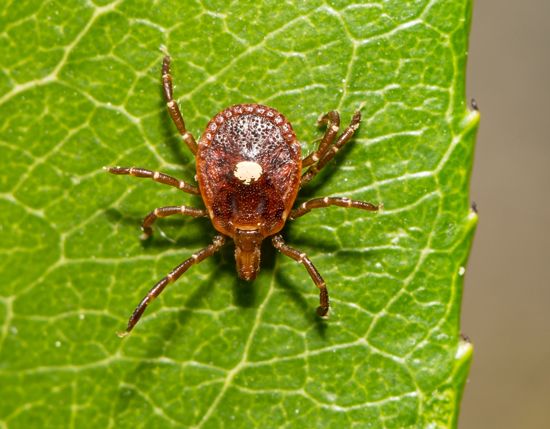
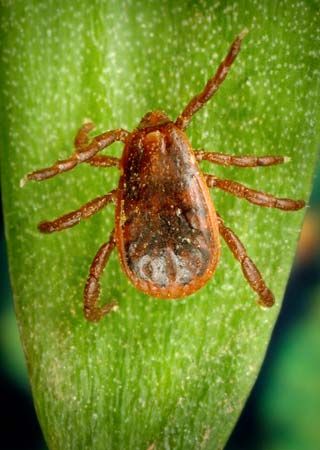
Tick
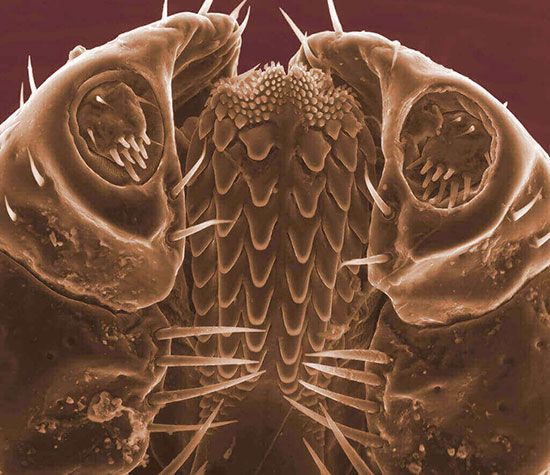
All ticks are classified within the order Ixodida, which comprises three distinct taxonomic families. These families are:
What are the major taxonomic families within the tick suborder?
All ticks are classified within the order Ixodida, which comprises three distinct taxonomic families. These families are:12
- Ixodidae: Commonly known as hard ticks, this family contains the majority of tick species (more than 770). They are characterized by a strongly sclerotized body with numerous hardened plates and typically feed on their hosts for several days.2
- Argasidae: Known as soft ticks, this group includes about 200 species. Unlike hard ticks, they feed intermittently, often for only a few minutes, and typically carry out their life cycles within the host’s nest or home.2
- Nuttalliellidae: This family is represented by a single, rare African species known as Nuttalliella namaqua.2
What are some of the most common diseases transmitted by ticks to humans and animals?
Ticks are significant vectors for a wide range of pathogens, including bacteria, viruses, and parasites, which they transmit to both humans and animals. As climate change expands tick habitats and lengthens their activity seasons, the incidence of these diseases has risen globally.56
Common Tick-Borne Diseases
- Lyme disease: The most common tick-borne disease in North America and Europe, caused by Borrelia bacteria. It often presents with a bull’s-eye rash and can progress to severe arthritis and neurological issues if untreated.57
- Rocky Mountain spotted fever: A severe, potentially fatal bacterial infection caused by Rickettsia rickettsii, transmitted by ticks such as the American dog tick and Rocky Mountain wood tick.58
- Babesiosis: A parasitic infection that destroys red blood cells, causing anemia. It affects humans and various animals, including cattle, dogs, and horses.3
- Anaplasmosis: A bacterial disease transmitted primarily by blacklegged ticks, which has seen increased incidence in regions like the United States and northern Europe.5
- Ehrlichiosis: Caused by Ehrlichia bacteria and spread largely by the lone star tick, this disease has become more prevalent in the southeastern and south-central United States.5
- Tularemia: A bacterial disease found in many animals, particularly rabbits and hares, which can be transmitted to humans by several tick species.5
- Colorado tick fever: A viral disease transmitted by the Rocky Mountain wood tick, primarily occurring at higher elevations in the western United States and Canada.5
Beyond these, ticks can transmit other serious conditions, such as Crimean-Congo hemorrhagic fever and tick-borne encephalitis.6
How do ticks feed, and why are they considered parasites?
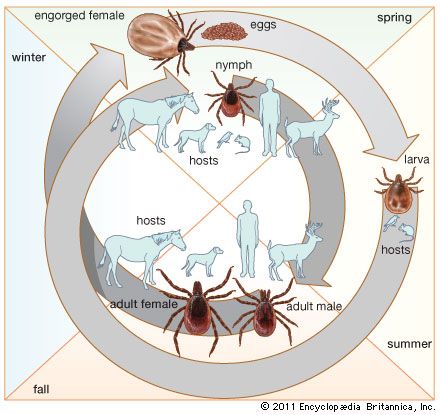
Ticks are considered parasites because they are organisms that live on or with another organism to obtain nutrients, often at the expense of the host. As obligate, blood-feeding arachnids, they depend entirely on the blood of wild or domestic animals to survive and progress through their life cycles.9310
How Ticks Feed
Ticks utilize specialized mouthparts to attach to a host and feed. Their feeding process is highly evolved to avoid detection:
- Detection: Ticks often wait on vegetation for a host to pass by, stimulated by cues such as carbon dioxide or the odor of butyric acid emanated by mammals.3
- Attachment and Feeding: Once attached, tick saliva releases compounds that block pain, itch, and immune responses, while also modulating blood coagulation and wound healing, allowing the bite to go unnoticed.3
- Feeding Styles:
Because they feed on multiple hosts throughout their lives, they are efficient vectors for various pathogens.3
What are some effective methods for preventing tick bites and controlling tick populations?
To prevent tick bites and reduce exposure to tick-borne diseases, several protective measures are recommended. When spending time in tick-prone areas, such as fields or woods, it is best to walk in the center of trails and avoid contact with tall grass and brush.3
Personal Protection Strategies
- Clothing: Wear light-colored clothing to make it easier to spot ticks. Use long sleeves and tuck your pants into your socks to minimize exposed skin.3
- Repellents: Use effective insect repellents on your skin and clothing. Products containing DEET are highly recommended for protection against ticks.311
- Treatment: You can treat clothing and gear with the insecticide permethrin for added defense.3
- Inspection: Always perform a thorough check of your skin and clothing for ticks immediately after returning from areas where ticks may be present.3
While the provided information focuses on personal prevention, managing tick populations generally involves reducing their habitat and limiting their access to hosts. Because ticks are obligate parasites that rely on blood meals to survive and reproduce, these measures are essential for minimizing the risk of tick-borne diseases.3
Sources
- hard tick — Merriam-Webster
- acarid - Annotated classification — Encyclopædia Britannica
- tick — Encyclopædia Britannica
- acarid - Ecology — Encyclopædia Britannica
- List of Tick-Borne Diseases — Encyclopædia Britannica
- babesiosis — Encyclopædia Britannica
- Rocky Mountain spotted fever — Merriam-Webster
- Lyme disease — Encyclopædia Britannica
- How long can ticks live without food? — Encyclopædia Britannica
- parasite — Merriam-Webster
- DEET — Merriam-Webster
Published on · 4 min read