Marsh
Marshes and wetlands are critical components of the global carbon cycle, serving as some of the most significant natural carbon reservoirs on Earth. They…
What role do marshes and wetlands play in the global carbon cycle?
Marshes and wetlands are critical components of the global carbon cycle, serving as some of the most significant natural carbon reservoirs on Earth. They function primarily as carbon sinks, locking away vast amounts of carbon in their waterlogged soils, which prevent the complete decomposition of organic matter due to anaerobic (oxygen-poor) conditions.12
Estimates suggest that wetlands store between 20 and 30 percent of all terrestrial carbon. Peatlands—a specific type of wetland—are particularly vital, as they sequester more carbon than all other vegetation types in the world combined.31
However, these ecosystems are increasingly vulnerable. When wetlands are drained, degraded, or flooded by rising sea levels—forming “ghost forests”—the carbon stored in their soils and biomass can be released into the atmosphere, potentially exacerbating global warming. Furthermore, while wetlands can act as sinks, they are also natural sources of methane, and their role as a net sink or source can shift depending on temperature and nutrient levels. Protecting these areas is considered a key strategy for climate change mitigation.31452
What conservation efforts are being made to protect and restore marsh and wetland ecosystems?
Conservation efforts for marshes and wetlands involve a combination of international policy, local management, and active ecological restoration.
International and National Policy
The most prominent global initiative is the Ramsar Convention, an international agreement established in 1971 to protect wetlands as vital ecosystems and habitats for migratory birds. Member states designate “Ramsar sites”—wetlands of international importance—and commit to promoting their conservation and wise use. Other initiatives, such as the North American Waterfowl Management Plan, focus on similar habitat protection goals.89
Restoration Strategies
When wetlands have been degraded, restoration specialists employ two primary approaches:
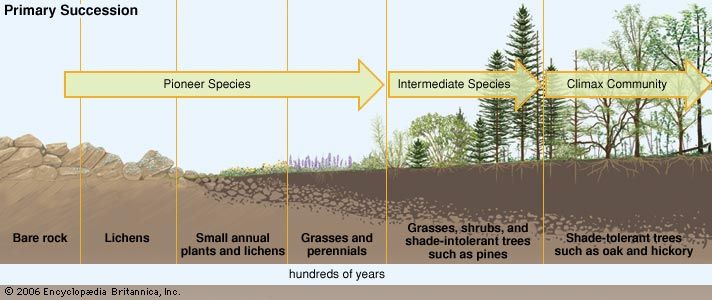
- Passive Restoration: This involves removing the source of disturbance, such as halting agricultural tillage or livestock grazing, allowing the site to recover naturally through ecological succession.10
- Active Restoration: For highly degraded sites, specialists intervene to accelerate recovery. This includes:
- Soil and Water Rehabilitation: Improving soil pH, managing fertilizer runoff, and using physical structures to control erosion.10
- Revegetation: Planting native species to stabilize slopes and restore the biological community.10
- Landscape Connectivity: Mitigating habitat fragmentation by increasing patch size and creating ecological linkages between isolated areas.10
Monitoring and adaptive management are essential to ensure these efforts meet long-term conservation goals.10
What are the main types of plants and animals that inhabit marshes and wetlands?
Marshes and wetlands are defined by their ability to support specialized organisms that can tolerate waterlogged, low-oxygen environments. The flora and fauna found in these ecosystems are largely dictated by the specific type of wetland and its vegetation structure.1112
Flora
The plant life in these ecosystems is categorized by its dominant growth form:
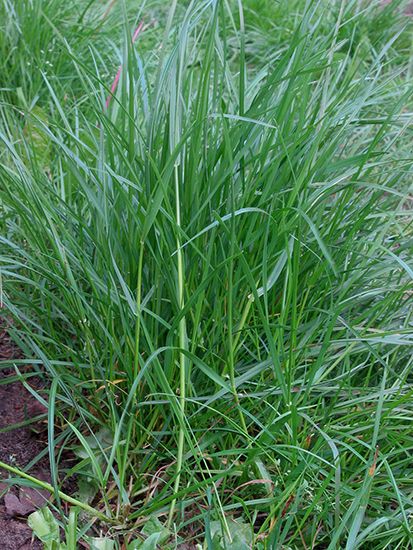
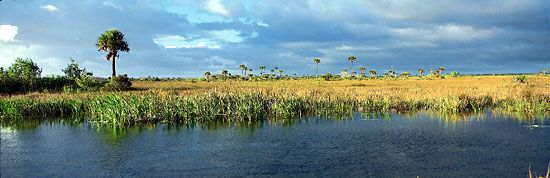
- Marshes: These are dominated by non-woody plants, primarily grasses, grasslike sedges, reeds, and rushes. Common species include cattails and wild ricecattail) and wild rice.121311
- Swamps: These are characterized by woody vegetation, specifically trees and shrubs. Common species include bald cypress, willows, alders, maples, and palms. In tropical coastal areas, mangrove forests are the dominant feature.12
- Adaptations: Wetland plants often possess shallow root systems to cope with low soil oxygen, and some tropical swamp trees develop buttresses for structural support.12
Fauna
Animal diversity in wetlands is closely linked to the diversity of the plant life, which provides essential habitat and food sources.12
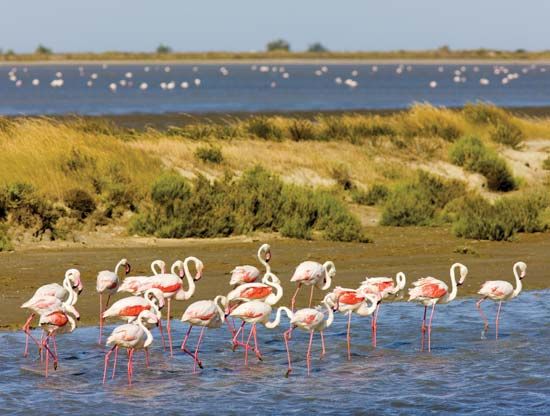
- Birds: Wetlands are critical habitats for migratory waterfowl and various wading birds.118
- Diverse Wildlife: Iconic species inhabit wetlands globally, such as the manatee, Florida panther, American crocodile, and various sea turtles found in the Everglades.14
- Aquatic Life: Wetlands support numerous fish and crayfish populations, which have been harvested by humans for centuries.8
What are some famous marshes and wetlands around the world?
Several marshes and wetlands around the world are renowned for their ecological significance, biodiversity, and unique landscapes:
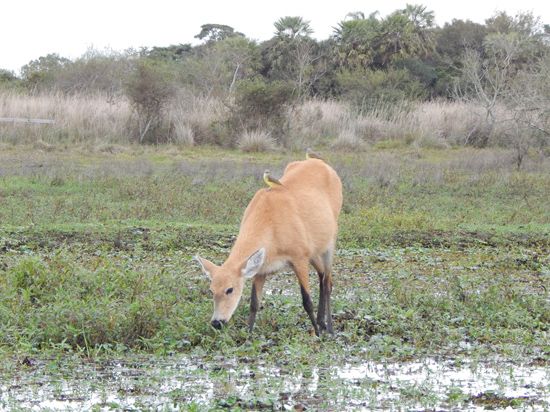
- Pantanal: Located primarily in Brazil and extending into Paraguay and Bolivia, this is one of the world’s largest freshwater wetlands. It is a massive seasonal floodplain that supports a rich array of wildlife, including jaguars, giant otters, and the jabiru stork.15
- Okavango Swamp: Situated in Botswana, this immense inland delta is formed by the Okavango River. It is a critical habitat for diverse African wildlife, such as lions, hippopotamuses, and various migratory birds, and is noted for its dense papyrus reeds.1612
- Everglades: This unique marsh-swamp ecosystem in Florida, United States, is a subtropical wilderness. It is recognized as a UNESCO World Heritage site and is home to diverse species, including the American alligator and various wading birds.1217
- Camargue: Located in the Rhône Delta in southern France, this region is famous for its marshes and lagoons. It serves as a vital bird sanctuary, particularly for flamingos and egrets, and is known for its free-roaming horses and bulls.1218
- Pripet Marshes: Historically significant as a natural boundary between Poland and Russia, this extensive area of marshes and fens is a well-known example of a wetland formed in a low-lying, poorly drained region.12
Sources
- decarbonization - Natural carbon removal — Encyclopædia Britannica
- Ghost Forests Are Becoming the New Haunts of Climate Change — Encyclopædia Britannica
- peat — Encyclopædia Britannica
- soil - Soils and global warming — Encyclopædia Britannica
- Peat moss — Encyclopædia Britannica
- Biosphere - The carbon cycle — Encyclopædia Britannica
- Global warming - Carbon cycle feedbacks — Encyclopædia Britannica
- Wetland - Wetland management — Encyclopædia Britannica
- Ramsar Convention — Encyclopædia Britannica
- ecological restoration - Implementation — Encyclopædia Britannica
- Swamp — Encyclopædia Britannica
- Marsh — Encyclopædia Britannica
- Wetland — Encyclopædia Britannica
- Everglades: Top Questions — Encyclopædia Britannica
- Pantanal — Encyclopædia Britannica
- Okavango River — Encyclopædia Britannica
- Everglades - Development of the Everglades — Encyclopædia Britannica
- Camargue — Encyclopædia Britannica
- Asia - Biological resources — Encyclopædia Britannica
Published on · 4 min read