Tilefish
The tilefish (Lopholatilus chamaeleonticeps) is the largest species within the family Malacanthidae, often reaching lengths exceeding 90 cm (3 feet). These…
How long do tilefish typically live and how big can they grow?
The tilefish (Lopholatilus chamaeleonticeps) is the largest species within the family Malacanthidae, often reaching lengths exceeding 90 cm (3 feet). These fish inhabit deep waters, typically ranging from 60 to 365 meters (200 to 1,200 feet) in depth.1
Regarding their lifespan, the provided information does not specify the typical longevity of the tilefish.
What is the ecological role of tilefish in their marine habitat?
The provided search results do not contain information regarding the specific ecological role of tilefish within their marine habitat. While these marine fishes are known to inhabit deep waters ranging from 60 to 365 meters, their interactions with other species or their broader impact on the ecosystem are not detailed in the available data.
How are tilefish important to commercial fishing industries?
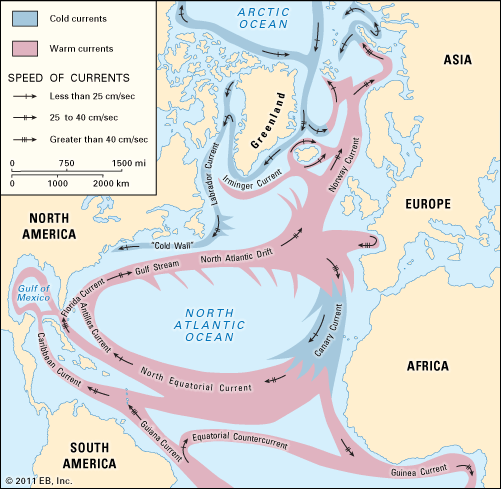
The tilefish (Lopholatilus chamaeleonticeps) holds a significant, albeit unusual, place in commercial fishing history. First discovered in 1879, it quickly became a commercially attractive species due to its high abundance within the western Gulf Stream.1
The industry faced a major disruption in 1882 when a massive die-off—likely caused by the upwelling of cold water into their preferred warm-water habitat—resulted in hundreds of millions of dead fish surfacing. This event led to a decade-long period where no living specimens were observed, effectively halting the fishery. However, the species eventually recovered, and commercial harvesting operations were able to resume.1
What are the different species of tilefish and how do they vary?
There are approximately 40 species of tilefish belonging to the family Malacanthidae. These elongated marine fishes are found in tropical and warm temperate seas and are taxonomically organized into two subfamilies: Malacanthinae and Latilinae. Some taxonomists argue that the Latilinae are distinct enough to be classified as a separate family, Branchiostegidae.1
The most notable species is the tilefish (Lopholatilus chamaeleonticeps), which is the largest of the group, often reaching lengths exceeding 90 cm (3 feet). This specific species is characterized by its deep-water habitat, typically residing at depths between 60 and 365 meters. Physically, it is distinguished by a fleshy appendage on its head and yellow spots located on its upper body and certain fins. While many species within the Malacanthidae family are utilized as food, Lopholatilus chamaeleonticeps remains the most commercially significant due to its historical abundance in the western Gulf Stream.12
Sources
- tilefish — Encyclopædia Britannica
- tilefish — Merriam-Webster
Published on · 2 min read