Trillium
Trillium (genus Trillium) is a genus comprising approximately 25 species of spring-flowering perennial herbs belonging to the family Melanthiaceae. Native to…
What is trillium?
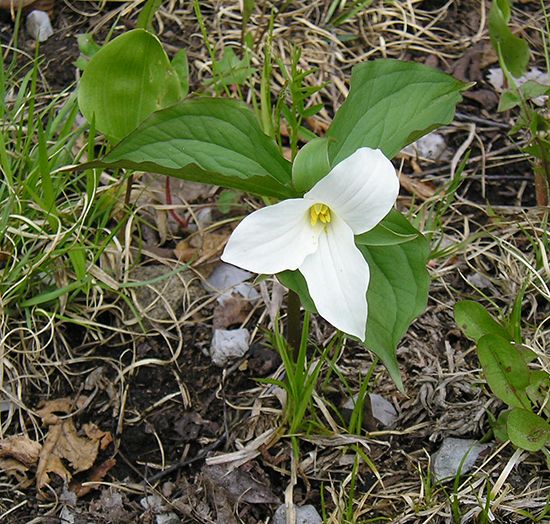
Trillium (genus Trillium) is a genus comprising approximately 25 species of spring-flowering perennial herbs belonging to the family Melanthiaceae. Native to North America and Asia, these plants are frequently cultivated in wildflower gardens.1
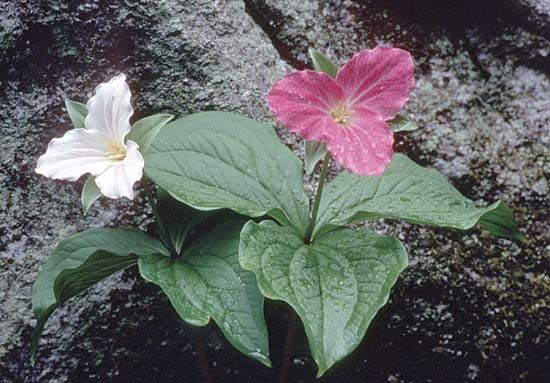
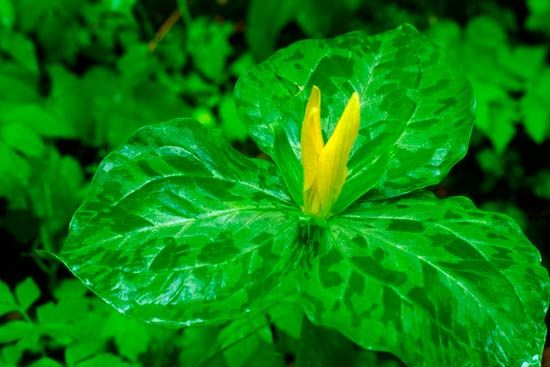
The plant is characterized by its distinct structure, which features parts arranged in groups of three. Oval bracts—which function as leaves—emerge from an underground rhizome in whorls of three. Similarly, the flower components, including the sepals, petals, stamens, and stigmas, are also arranged in threes. The solitary flowers may appear in various colors, such as white, yellow, pink, or purple.1
One notable species is the great white trillium (Trillium grandiflorum), a perennial herb native to eastern North America known for its showy white petals. This specific flower is recognized as the provincial flower of Ontario.23
Why is the number three significant to the trillium plant?
The number three is fundamental to the identity and morphology of the trillium plant. This numerical pattern is so defining that the genus name is derived from the Swedish word trilling, meaning “triplet,” in direct reference to its three leaves.1
The plant’s anatomy is organized entirely in groups of three:5
- Leaves: The plant features three oval bracts that function as leaves, emerging from an underground rhizome in a distinct whorl.5
- Floral Structure: The flower components—specifically the sepals, petals, stamens, and stigmas—are all arranged in threes.5
This consistent triadic structure is the primary characteristic used to identify members of the genus Trillium within the family Melanthiaceae.51
What is a rhizome and how does it help plants grow?
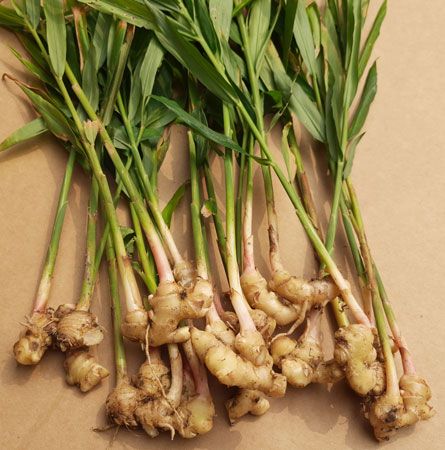
A rhizome is a horizontal, underground stem that plays a vital role in a plant’s growth and survival. Unlike true roots, rhizomes grow horizontally through the soil and serve as essential storage organs for starches and proteins.67
Rhizomes support plants in several key ways:
- Survival: By storing energy, they allow plants to perennate, meaning they can survive through annual unfavorable seasons, such as cold winters.67
- Propagation: They enable plants to reproduce vegetatively (asexually). A single rhizome is capable of producing the shoot and root systems necessary to grow a new, independent plant.6
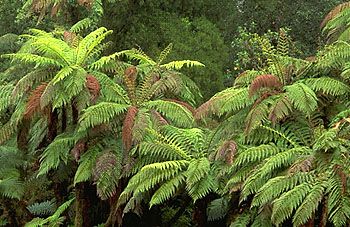
- Structural Support: In some species, such as ferns and water lilies, the rhizome serves as the plant’s primary stem, from which the leaves and flowers emerge.6
While many rhizomes are strictly botanical structures, some, like ginger, turmeric, and wasabi, are widely valued for their culinary applications.67
How do ants help spread trillium seeds?
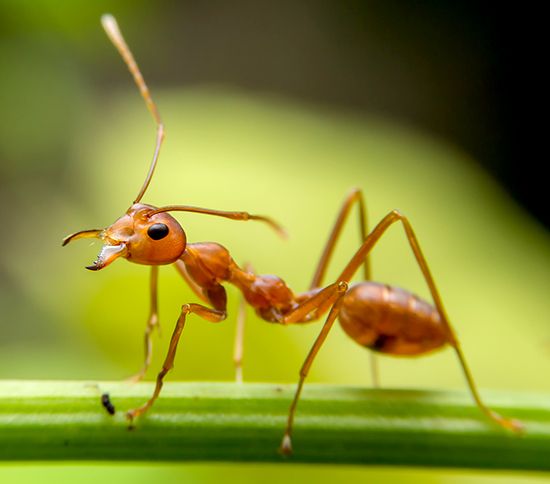
Trillium plants utilize a specialized seed dispersal strategy known as myrmecochory, which relies on ants to transport their seeds.89
These plants produce seeds equipped with a fleshy, edible appendage called an elaiosome, which is rich in nutrients like fats and proteins. Certain ant species, such as those from the genera Lasius, Myrmica, and Formica, are attracted to these appendages. The ants collect the seeds and carry them back to their nests, where they consume only the nutrient-dense elaiosome. By discarding the remaining seed—often in a nutrient-rich environment within or near the nest—the ants effectively disperse the plant’s seeds away from the parent, aiding in the plant’s propagation.8109
Unlike harvester ants, which may destroy seeds by eating them entirely, these specialized ants act as beneficial agents of dispersal for the Trillium.89
Sources
- trillium — Encyclopædia Britannica
- Trilliaceae — Merriam-Webster
- great white trillium — Merriam-Webster
- Ontario: Country Facts — Encyclopædia Britannica
- trillium — Merriam-Webster
- Rhizome — Encyclopædia Britannica
- Root vegetable — Encyclopædia Britannica
- Seed dispersal - Ants — Encyclopædia Britannica
- Asparagales - Fruits and seeds — Encyclopædia Britannica
- Seed - Dispersal by ants — Encyclopædia Britannica
Published on · 3 min read