Turks and Caicos Islands
The official language of the Turks and Caicos Islands is English. Historically, the indigenous Lucayan people, who inhabited the islands at the time of…
What languages are spoken in the Turks and Caicos Islands?
The official language of the Turks and Caicos Islands is English. Historically, the indigenous Lucayan people, who inhabited the islands at the time of European contact, spoke Arawakan languages.1
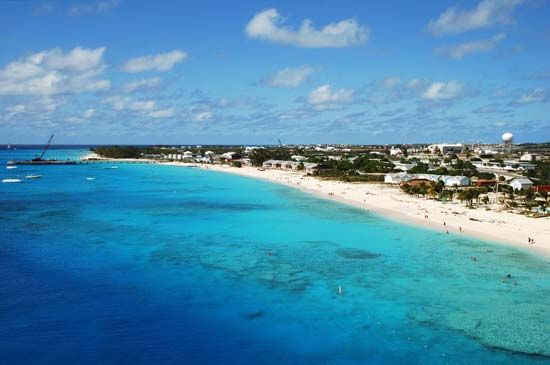
How do the Turks and Caicos Islands manage their relationship with the United Kingdom as an overseas territory?
The Turks and Caicos Islands maintain their relationship with the United Kingdom as a British overseas territory governed by the Constitution Order of 2011. Under this framework, a governor represents the British monarch and holds significant authority, including responsibility for external affairs, defense, internal security, international financial services, and the appointment of public officers.4
The executive branch features a cabinet led by the governor, which includes a premier, the attorney general, and other ministers4. While the territory operates with a democratically elected House of Assembly, the British government retains the power to intervene in governance to ensure stability and integrity. For instance, the United Kingdom has previously suspended the constitution and imposed direct rule—most notably in 2009—following investigations into systemic corruption and administrative incompetence, later restoring democratic government once sufficient reforms were implemented. Additionally, the territory’s citizens are eligible for full British citizenship, contingent upon the maintenance of specific financial and human rights standards of specific financial and human rights standards.43
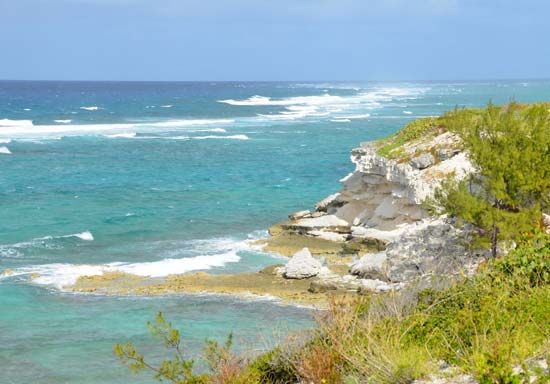
What is the political status of the Turks and Caicos Islands, and how are they governed?
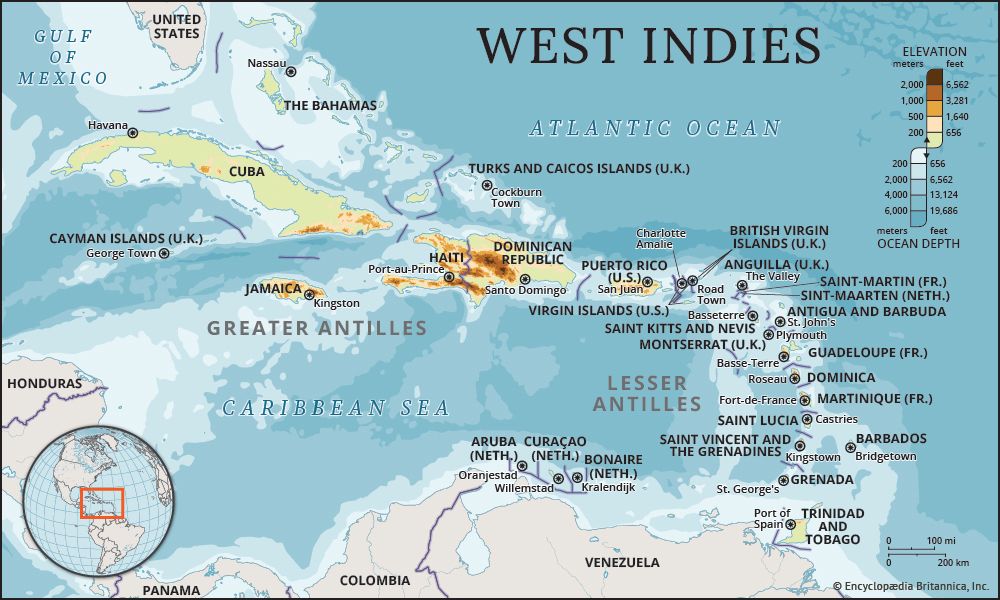
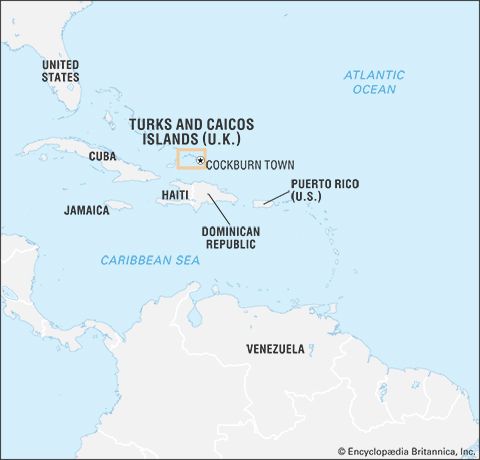
The Turks and Caicos Islands are a British overseas territory located in the West Indies. Their political status is defined by the Constitution Order of 2011, which establishes a framework for governance under the British monarch.43
Governance Structure
The territory is governed by a system that balances local representation with British oversight:
- The Governor: Appointed to represent the British monarch, the governor holds responsibility for external affairs, defense, internal security, international financial services, and the appointment of public officers.3
- Executive Branch: A cabinet is headed by the governor and includes a premier, the attorney general, a deputy governor, and up to six other ministers selected from the legislature.3
- Legislature: The House of Assembly is a unicameral body consisting of 21 members: 15 directly elected, four appointed, one ex officio (the attorney general), and a speaker.3
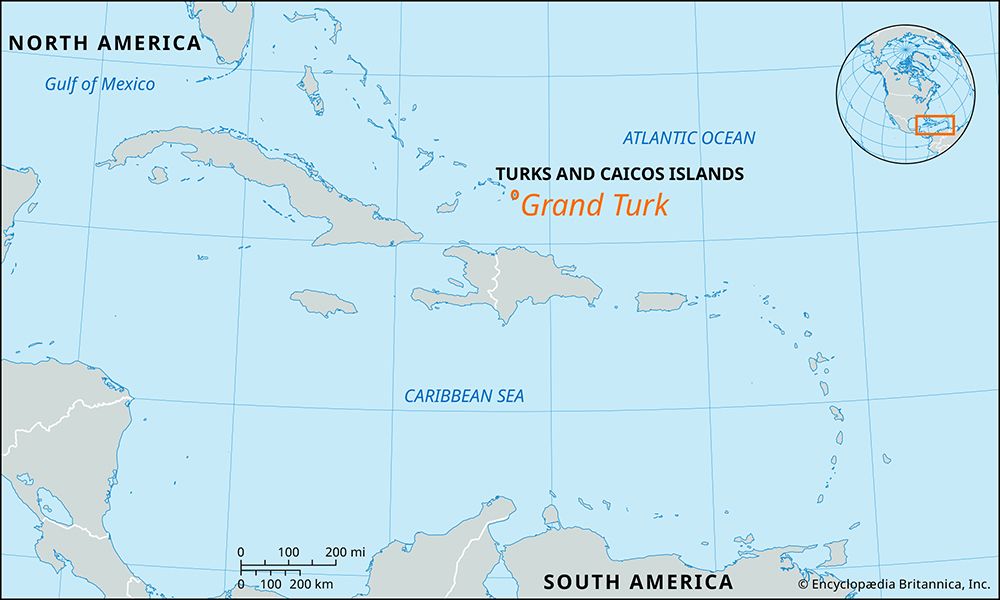
The seat of government is located in Cockburn Town on Grand Turk. While the islands maintain a democratically elected government, the United Kingdom retains the authority to intervene to ensure administrative integrity, as seen during the suspension of the constitution in 2009 following reports of corruption.415
What are the main economic activities and industries in the Turks and Caicos Islands?
The economy of the Turks and Caicos Islands is primarily driven by two key sectors: tourism and offshore financial services.6
Primary Industries
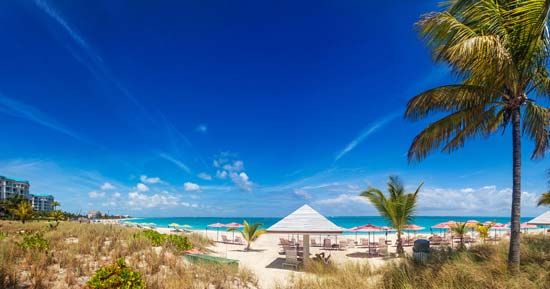
- Tourism: This sector has experienced significant growth, fueled by large-scale foreign investment and commercial land development, particularly on Providenciales. The islands attract hundreds of thousands of annual visitors drawn to their beaches and scuba-diving sites.6
- Offshore Financial Services: The government promotes this sector by maintaining a tax-neutral environment with no income or company taxes. This has attracted thousands of international businesses, including banking, insurance, and trust companies.6
- Fishing and Seafood: Traditional livelihoods remain important, with the export of spiny lobster and conch serving as a major economic activity.65
Agriculture and Trade
Due to a lack of arable land, agriculture is limited to subsistence crops like corn, beans, and cassava. Consequently, the islands rely heavily on imports for most basic goods, with the United States serving as the primary trading partner.6
Sources
- Turks and Caicos Islands — Encyclopædia Britannica
- Turks and Caicos — Merriam-Webster
- Turks and Caicos Islands - History — Encyclopædia Britannica
- Turks and Caicos Islands - Government and society — Encyclopædia Britannica
- Grand Turk — Encyclopædia Britannica
- Turks and Caicos Islands - Economy — Encyclopædia Britannica
Published on · 3 min read