Grand Turk
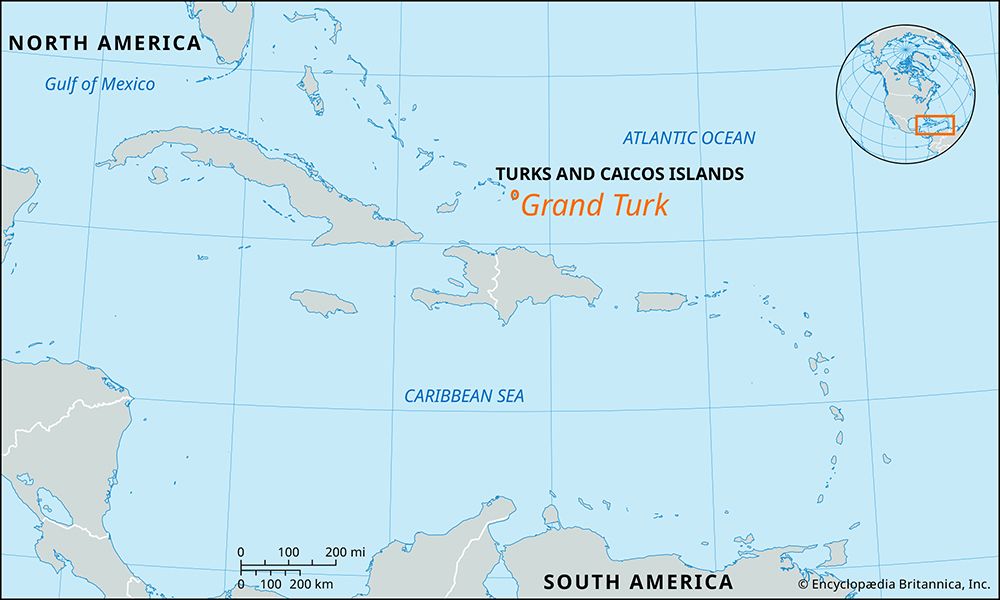
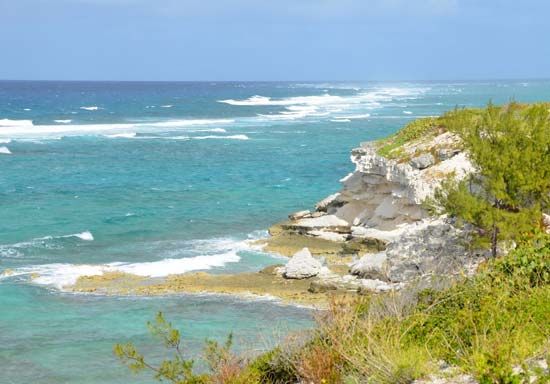
Grand Turk is the chief island of the Turks and Caicos Islands, a British overseas territory located in the West Indies north of Hispaniola. Spanning 6.7…
What is Grand Turk?
Grand Turk is the chief island of the Turks and Caicos Islands, a British overseas territory located in the West Indies north of Hispaniola. Spanning 6.7 square miles, the island serves as the territory’s seat of government and primary commercial hub, centered in Cockburn Town.12
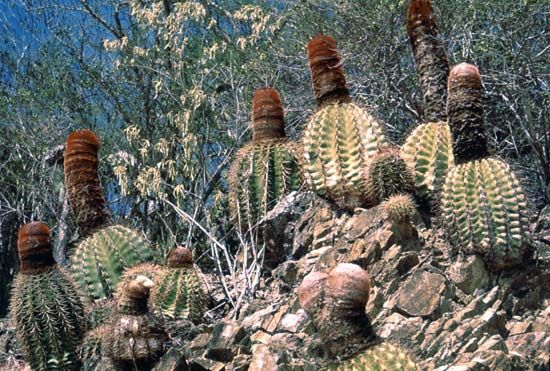
Historically, the island’s economy relied on salt production, but today it focuses on tourism, offshore banking, and the export of seafood like conch and spiny lobster. The island is also home to the Turks and Caicos National Museum, which preserves the region’s history, including its connection to the slave trade and local industries. The name “Turks” is believed to originate from the indigenous Turk’s head cactus, which features a scarlet top resembling a fez.132
How did the Turks and Caicos Islands get their name?
The names of the Turks and Caicos Islands have distinct origins rooted in the local environment and the language of the region’s original inhabitants:
- Turks: The name is widely attributed to the indigenous Turk’s head cactus (Melocactus intortus). The plant features a distinctive scarlet top that resembles a fez, the traditional brimless hat once worn in the Ottoman Empire.2
- Caicos: The name is believed to derive from caya hico, a phrase in the language of the indigenous Lucayan (Arawak) people, which translates to “string of islands.”2
What is the significance of the Turks Island Passage?
The Turks Island Passage, often referred to as “the Wall,” is a significant marine feature that separates the Turks group of islands from the Caicos group in the Turks and Caicos Islands.
This natural formation is a deep marine trench measuring approximately 22 miles (35 km) in length and reaching depths of about 7,000 feet (2,100 meters). Geographically, it serves as the primary physical divide between the two island groups, which are situated on the southeastern periphery of The Bahamas.2
What kind of marine life can be found near the coral reefs?
Coral reefs are among the most biodiverse ecosystems on Earth, supporting approximately 25 percent of all marine species. These complex environments host a wide variety of life forms that rely on the structural foundation provided by reef-building corals6.678
Marine Life Found Near Coral Reefs
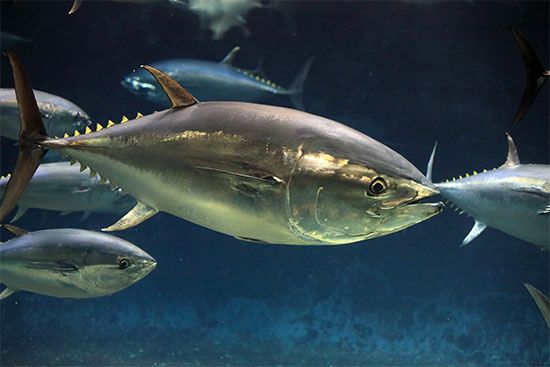
- Fishes: Reefs support diverse assemblages of fish, including local staples and commercially important species like tuna and sardines. Game fish such as barracuda, marlin, and bonefish are also commonly found in these areas.9
- Invertebrates: Sessile and slow-moving invertebrates are abundant. This includes sponges, sea anemones, sea cucumbers, urchins, and various mollusks, such as the queen conch and spiny lobster.1098
- Marine Megafauna: Larger marine animals, including sea turtles, manatees, and manta rays, are characteristic of reef-associated regions.9
- Algae and Plants: While macroalgae are relatively rare on healthy tropical reefs, diverse assemblages of filamentous and tufting algae are common, particularly at the reef crest. In nearby lagoons, submerged fields of turtle grass provide additional habitat.109
The health of these species is deeply tied to the symbiosis between corals and zooxanthellae, the photosynthetic algae that help build the reef’s calcium carbonate structure.107
Sources
- Grand Turk — Encyclopædia Britannica
- Turks and Caicos Islands — Encyclopædia Britannica
- Turks and Caicos Islands - Cultural life — Encyclopædia Britannica
- Turks and Caicos — Merriam-Webster
- Turks and Caicos Islands - History — Encyclopædia Britannica
- Marine ecosystem - Benthos — Encyclopædia Britannica
- Coral bleaching — Encyclopædia Britannica
- Caribbean Sea - Resources — Encyclopædia Britannica
- coral reef - Corals and other reef-building organisms — Encyclopædia Britannica
- Coral Bleaching: A Threat to Our Reefs — Encyclopædia Britannica
Published on · 2 min read