Umbrella Plant
The term "umbrella plant" can refer to two distinct types of vegetation, depending on the context:
What is Umbrella plant?
The term “umbrella plant” can refer to two distinct types of vegetation, depending on the context:
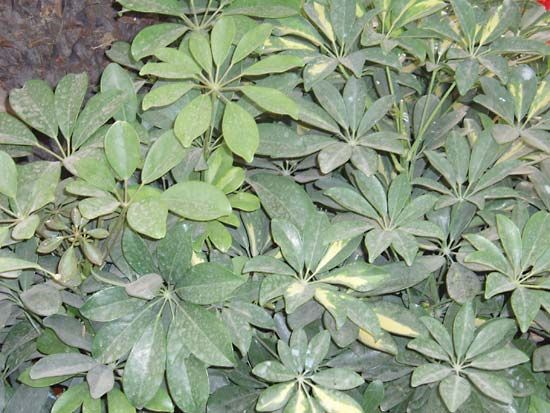
- Schefflera: Often called the Australian umbrella tree (Schefflera actinophylla), this is a popular tropical evergreen shrub or tree in the ginseng family (Araliaceae). It is widely cultivated as an indoor foliage plant due to its tolerance for low light, though it can grow quite large outdoors in warm climates. A common compact variety is the Hawaiian schefflera (Schefflera arboricola).1
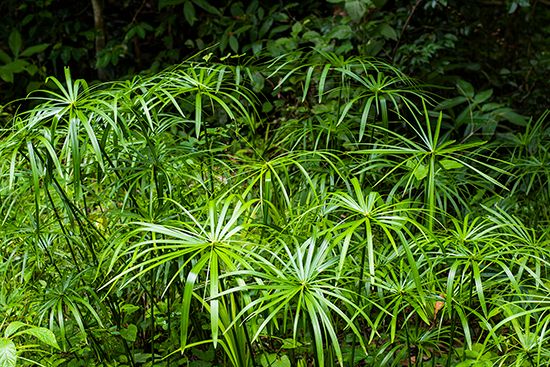
- Cyperus alternifolius: This is a perennial sedge native to Madagascar. It is characterized by large, terminal whorls of slender leaves and is frequently grown as an ornamental plant.2
It is important to distinguish between these two, as one is a woody shrub while the other is a grass-like sedge.
What are the differences between Schefflera and Cyperus?
While the term “umbrella plant” is sometimes used for both, Schefflera and Cyperus are distinct botanical entities with different classifications and physical characteristics.
Schefflera
- Classification: These are tropical evergreen trees or shrubs belonging to the ginseng family (Araliaceae).1
- Growth Habit: They are woody plants that can grow significantly tall, with some species reaching up to 12 meters (approximately 40 feet) in outdoor environments.1
- Usage: They are primarily cultivated as popular indoor foliage plants due to their notable tolerance for low-light conditions.1
- Varieties: Common types include the Australian umbrella tree (S. actinophylla) and the more compact, dwarf Hawaiian schefflera (S. arboricola).1
Cyperus
Regarding your query about Cyperus, the provided search results do not contain information about this genus. Therefore, I cannot provide a comparison or details regarding its specific characteristics, such as its classification as a sedge or its growth requirements.
How do you properly care for an indoor Schefflera?
To properly care for an indoor Schefflera, it is important to understand that these plants are valued primarily for their resilience and adaptability.
Light Requirements
One of the primary reasons Schefflera is a popular choice for indoor environments is its notable tolerance for low-light conditions. While they can thrive in these settings, they generally perform best when provided with bright, indirect light.
Growth and Maintenance
- Variety Selection: If you have limited space, consider the Hawaiian schefflera (S. arboricola). This is a cultivated dwarf species that maintains a more compact habit and features smaller leaves compared to the larger Australian umbrella tree (S. actinophylla).1
- Environment: While they are hardy, they are tropical plants by nature. They are best suited for indoor settings in cooler climates but can grow into significant landscape trees in warm, tropical regions.1
Because the provided information focuses on the plant’s general characteristics and light tolerance, specific details regarding watering frequency, soil types, or fertilization are not available in the current knowledge base.
What are some other popular houseplants that thrive in low light?
Many tropical and subtropical plants have been adapted for indoor environments, specifically those capable of enduring the dry heat and low light intensity common in many homes.3
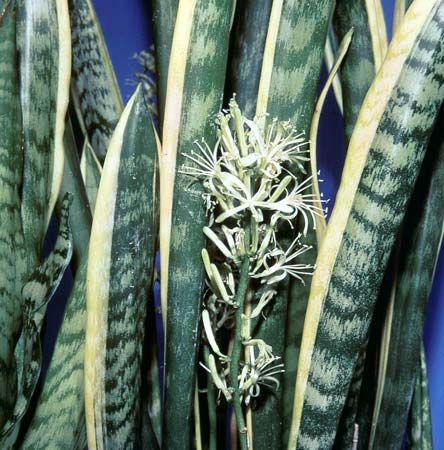
Among the most resilient options for these conditions are the strap-leaf snake plants, which are particularly noted for their ability to tolerate significant neglect and thrive in less-than-ideal locations.4
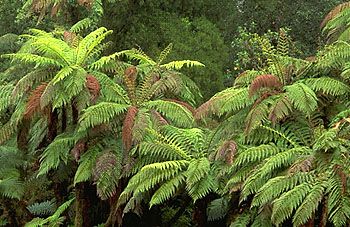
While many popular groups—such as aroids, bromeliads, ferns, begonias, and palms—are favored for their attractiveness and ease of maintenance, it is important to note that some species, such as most cacti, require much sunlight and are not suitable for low-light environments.45
Sources
- schefflera — Encyclopædia Britannica
- umbrella plant — Merriam-Webster
- houseplant - Types of houseplants — Encyclopædia Britannica
- houseplant - Succulents — Encyclopædia Britannica
- houseplant — Encyclopædia Britannica
Published on · 3 min read