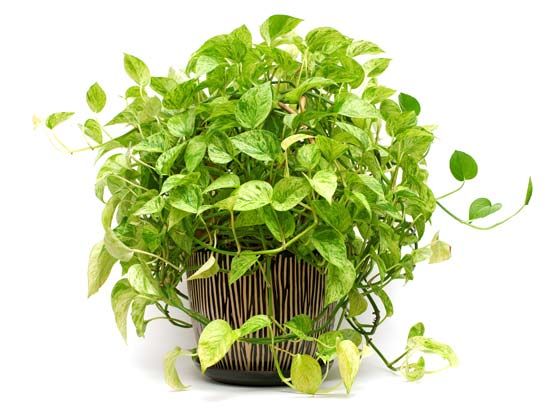
Houseplant
Many houseplants are well-suited for beginners because they are durable and can tolerate the dry air and varying light conditions typical of indoor living…
What are some common types of houseplants suitable for beginners?
Many houseplants are well-suited for beginners because they are durable and can tolerate the dry air and varying light conditions typical of indoor living spaces.12
Easy-Care Foliage Plants
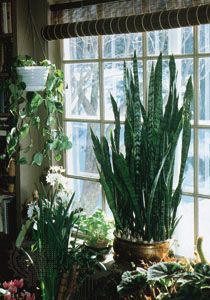
- Snake Plants (Sansevieria): These are remarkably resilient, known for tolerating significant neglect and thriving in less-than-ideal locations.3
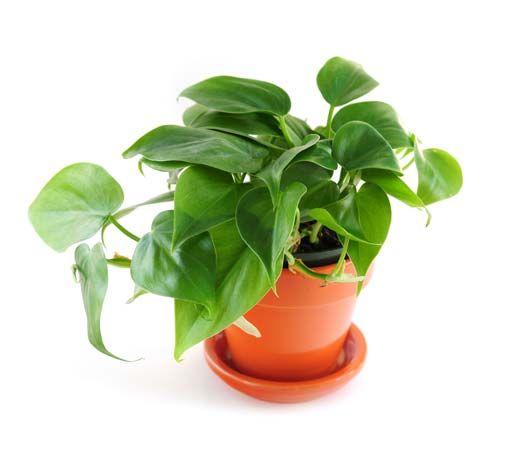
- Aroids: Many members of this family are excellent for beginners. Philodendrons are handsome climbers with leathery leaves, while pothos are durable tropical climbers that handle warm, even overheated, rooms well.4
- Dumb Canes (Dieffenbachia): These plants feature attractive, often variegated leaves and are known for their ability to thrive in dry rooms while tolerating neglect.4
- Chinese Evergreens (Aglaonema): These slow-growing, durable herbs feature leathery leaves with silver or colorful patterns and are highly tolerant of indoor conditions.4
- Peace Lilies (Spathiphylla): These are vigorous, easy-growing herbs that produce attractive green foliage and white, flowerlike spathes.4
Succulents and Cacti
Succulents are ideal for those who prefer plants that require little water, as they store moisture in their fleshy bodies.3
- Cacti: Many varieties, such as the barrel cactus, thrive in bright sunlight.3
- Other Succulents: The jade plant (Crassula) and Aloe are popular, manageable choices for indoor environments.3
What are some common pests and diseases that affect houseplants, and how can they be managed?
Houseplants are frequently affected by both environmental stressors and pests. Managing these issues requires identifying whether the cause is noninfectious or parasitic.
Environmental Stressors
Many common indoor plant problems are noninfectious, often resulting from the home environment. Low humidity—typically below 30 percent—frequently leads to leaf scorch and sudden flower drop. Additionally, the buildup of water-soluble salts, which may appear as a whitish crust on the soil or container, can cause yellowing, wilting, and stunted growth.6
To manage these issues:
- Monitor Humidity: Increase moisture levels to prevent leaf scorch.6
- Manage Soil Health: Ensure proper drainage and avoid the accumulation of salts by flushing the soil periodically. Be mindful that improper soil pH or nutrient imbalances can mimic disease symptoms, such as leaf malformation or abnormal coloration.6
- Regulate Environment: Avoid extreme fluctuations in temperature and moisture, as these stress plants and make them more susceptible to pathogens.6
Pests
Red spiders (spider mites) are common pests that spin loose silk webbing on plants. Heavy infestations can lead to complete defoliation. Because these mites have developed resistance to many pesticides, biological control—such as the use of the predatory mite Phytoseiulus similis—is often the most effective management strategy.7
How do houseplants help improve indoor air quality?
Houseplants can improve indoor air quality by absorbing common airborne toxins found in household items like cleaning products, upholstery, and ceiling tiles. During their natural process of gas exchange, plants take in carbon dioxide through their leaves and release oxygen. As they process the air, they transport toxins down to their roots, where specialized microbes break down and neutralize the pollutants.8
While experts continue to study the specific quantity and variety of plants required to significantly impact air quality, it is generally recommended to use a diverse mix of species. Research by environmental engineer Bill Wolverton highlights several plants that are particularly effective at clearing pollutants, including:
- Areca palm
- Lady palm
- Bamboo palm
- Rubber plant
- Dracaena
By incorporating these plants into your home, you can create a more natural filtration system for your indoor environment.8
What is a houseplant?
A houseplant is any plant specifically adapted for cultivation indoors. While the practice of keeping plants in containers dates back to ancient civilizations like the Greeks, Romans, and Egyptians, the popular art of indoor gardening gained significant traction in the 17th century.9210
Most houseplants are derived from species native to tropical or near-tropical regions, as these plants are best equipped to adjust to the warm, relatively dry conditions typical of indoor living spaces. They are often grown in portable containers or miniature gardens, such as terraria.910
Common categories of houseplants include:
- Foliage plants: Including philodendrons, pothos, and peace lilies, which are valued for their attractive leaves and durability.11
- Trees: Such as Dracaena, Ficus, and various palms, which provide a decorative, structural element to indoor spaces.4
- Flowering plants: Species like African violets and orchids, which are often considered more demanding in their care requirements.9
- Succulents and Bromeliads: Groups known for their unique forms and relative ease of maintenance.911
Sources
- houseplant - Succulents — Encyclopædia Britannica
- houseplant — Encyclopædia Britannica
- houseplant - Types of houseplants — Encyclopædia Britannica
- houseplant - Foliage plants — Encyclopædia Britannica
- houseplant - Flowering plants — Encyclopædia Britannica
- Plant disease - Adverse environment — Encyclopædia Britannica
- red spider — Encyclopædia Britannica
- 11 Questions About Useful Plants Answered - Can houseplants help the quality of air in my house? — Encyclopædia Britannica
- houseplant - Historical background — Encyclopædia Britannica
- houseplant — Merriam-Webster
- houseplant - Trees — Encyclopædia Britannica
Published on · 4 min read