United States Virgin Islands
Tourism is the primary driver of the economy in the U.S. Virgin Islands, sustained by the territory's tropical climate, scenic landscapes, and free-port…
How has tourism impacted the economy and environment of the U.S. Virgin Islands?
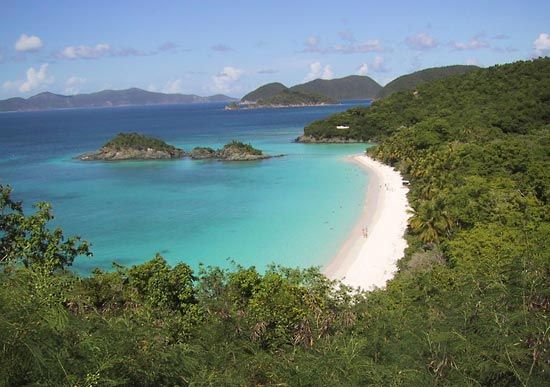
Tourism is the primary driver of the economy in the U.S. Virgin Islands, sustained by the territory’s tropical climate, scenic landscapes, and free-port status. Following the closure of the HOVENSA oil refinery in 2012, which resulted in significant job and revenue losses, the growth of the tourist sector became essential in offsetting the territory’s economic contraction.12
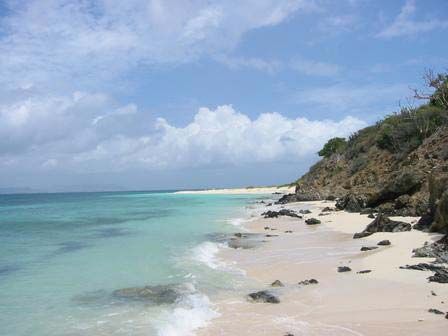
The industry leverages natural attractions, including extensive beaches and protected areas such as the Virgin Islands National Park and Buck Island Reef National Monument. While these sites promote conservation, the provided search results do not explicitly detail the broader environmental impacts of tourism, such as waste management or habitat pressure. The economy remains heavily reliant on this sector, supported by souvenir and handicraft industries that cater to visitors.12
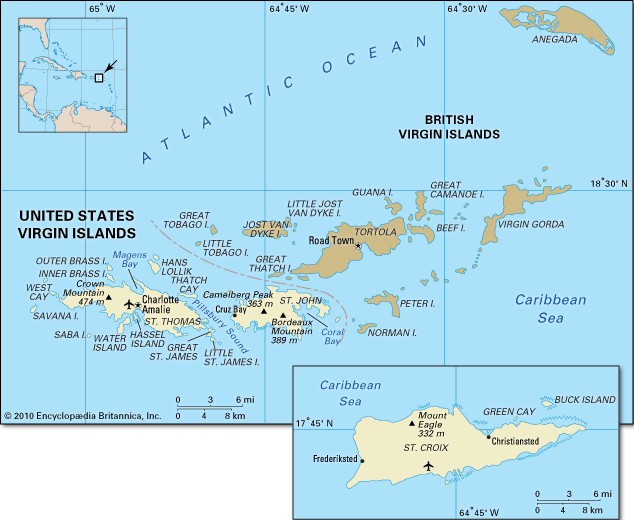
How did the United States acquire the Virgin Islands, and when did they become a U.S. territory?
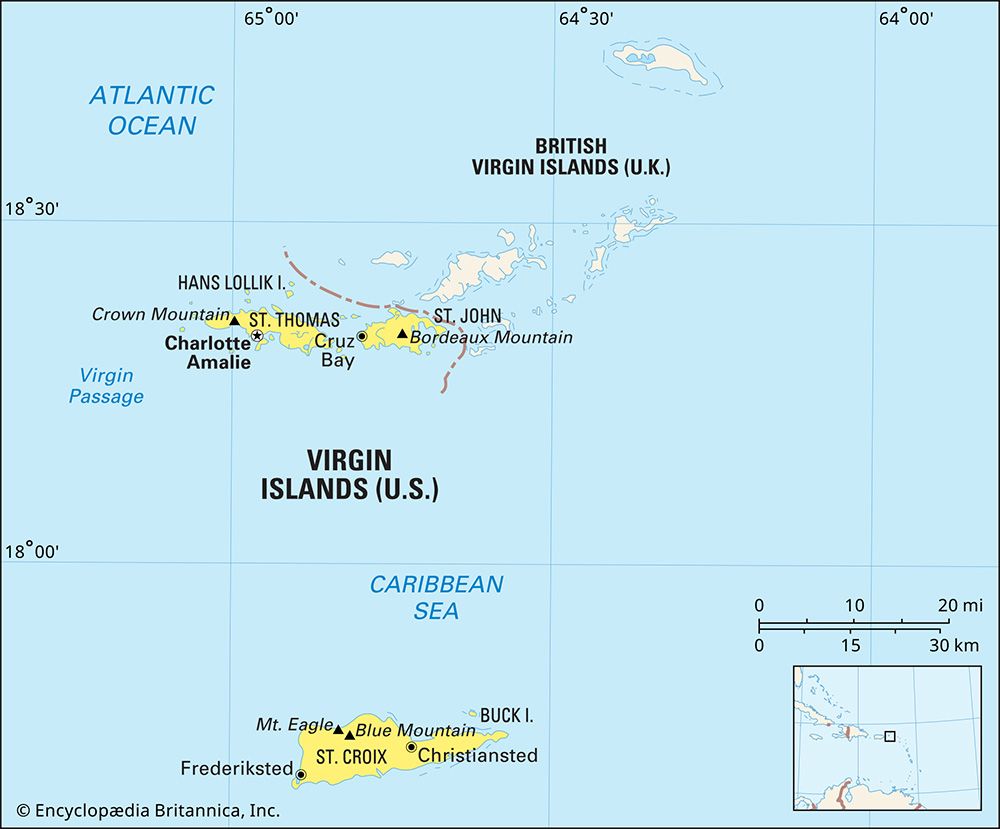
The United States acquired the islands—formerly known as the Danish West Indies—from Denmark in 1917 for $25 million.45
While U.S. interest in the islands dates back to the American Civil War, earlier attempts to purchase them were unsuccessful, including a failed 1870 proposal to buy St. Thomas and St. John for $7.5 million. The acquisition became a strategic priority during World War I. The United States sought control over the islands to secure the main Caribbean passage to the Panama Canal and protect maritime routes. Denmark, meanwhile, was motivated to sell to prevent the islands from being seized by the Allies or conquered by Germany.4
Upon the 1917 purchase, the islands officially became an unincorporated territory of the United States. The treaty of cession granted U.S. citizenship to most inhabitants, a status further clarified by acts of Congress in 1927 and 1932.43
What are some of the unique cultural aspects of the U.S. Virgin Islands, including language and traditions?
The culture of the U.S. Virgin Islands is a diverse tapestry shaped by its history of colonization, the legacy of the plantation era, and its modern status as a U.S. territory.
Language and Demographics
English is the primary language spoken throughout the islands. However, the linguistic landscape is varied; many residents speak a local dialect often referred to as Calypso, which is mutually intelligible among most West Indians. Due to the islands’ history and migration patterns, there are also pockets of French and Spanish speakers, particularly on St. Thomas and St. Croix, respectively. The population is primarily of African descent, though it also includes individuals with diverse ancestries, including Danish, French, Scottish, and Puerto Rican roots. A distinct ethnic group known as the Chachas, descendants of French Huguenots, maintains a clannish and industrious community on St. Thomas.75
Traditions and Religion
Religious life is a significant aspect of the culture, with a long history of religious freedom dating back to the 1600s. The islands are predominantly Protestant, with Anglicanism being the largest denomination in the U.S. territory, followed by a large minority of Roman Catholics. The islands also host historic religious sites, including the second-oldest Lutheran church in the Western Hemisphere and the second-oldest American synagogue, both located in Charlotte Amalie. While the islands have been noted for having little in the way of a singular “national” culture or folklore, community arts councils have been established to promote and preserve local theatrical performances and traditional arts and crafts.58
What is the climate like in the U.S. Virgin Islands, and how does it affect daily life?
The U.S. Virgin Islands enjoy a pleasant, tropical climate characterized by temperatures that typically range between 70 °F (21 °C) and 90 °F (32 °C), with an annual average of about 78 °F (26 °C). The heat is consistently tempered by gentle, northeasterly trade winds, and the region benefits from low relative humidity.1314
This climate significantly influences daily life, particularly regarding water management. Because rainfall is erratic and averages only 45 to 50 inches annually, water scarcity is a serious concern. Consequently, most private and public buildings are equipped with their own water catchments and cisterns to collect rainwater. To supplement these supplies, the islands utilize saltwater-distillation plants and desalination technology, and residents make extensive use of salt water for non-potable needs.141315
While the weather is generally mild, the islands experience a marked rainy season from September to December. Furthermore, the region is susceptible to hurricanes, which typically occur between August and October. These storms can cause severe destruction, as seen with Hurricane Irma in 2017, which resulted in widespread deforestation and significant infrastructure damage.14131516
Sources
- United States Virgin Islands - Economy — Encyclopædia Britannica
- Virgin Islands - Industry — Encyclopædia Britannica
- Virgin Islands — Encyclopædia Britannica
- Virgin Islands - Settlement and history of the U.S. Virgin Islands — Encyclopædia Britannica
- United States Virgin Islands - History — Encyclopædia Britannica
- Danish West Indies — Merriam-Webster
- British Virgin Islands - Culture — Encyclopædia Britannica
- Saint Thomas — Encyclopædia Britannica
- Virgin Islands - Cultural life — Encyclopædia Britannica
- British Virgin Islands - People — Encyclopædia Britannica
- Virgin Islands - The people of the Virgin Islands — Encyclopædia Britannica
- Puerto Rico - Sports and recreation — Encyclopædia Britannica
- United States Virgin Islands - Land — Encyclopædia Britannica
- British Virgin Islands - Climate — Encyclopædia Britannica
- Virgin Islands - Climate — Encyclopædia Britannica
- Hurricane Irma — Encyclopædia Britannica
Published on · 4 min read