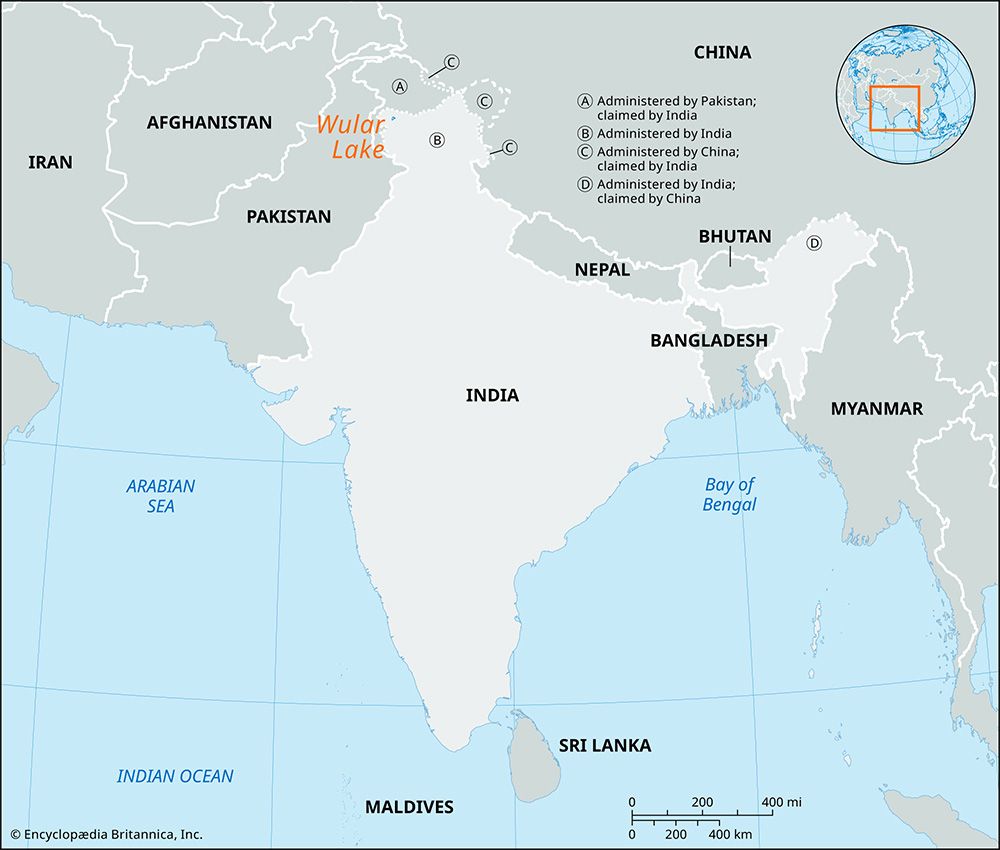
Vale of Kashmir
The Vale of Kashmir is renowned for its scenic beauty, historical landmarks, and religious sites. Key attractions include:
What are some of the major tourist attractions in the Vale of Kashmir?
The Vale of Kashmir is renowned for its scenic beauty, historical landmarks, and religious sites. Key attractions include:
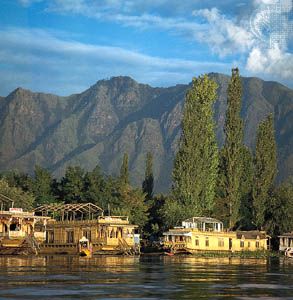
- Srinagar: The summer capital features the iconic Dal Lake, famous for its “floating gardens” and shikara boats. The city also hosts the historic Hazratbal Mosque and the 15th-century Jāmiʿ Masjid.1
- Mughal Gardens: Visitors often explore the picturesque Shalimar and Nishat gardens, which were developed by Mughal emperors like Jahāngīr.12
- Natural Landscapes: The region is home to several beautiful lakes, including Wular, Dal, and Nagin.2
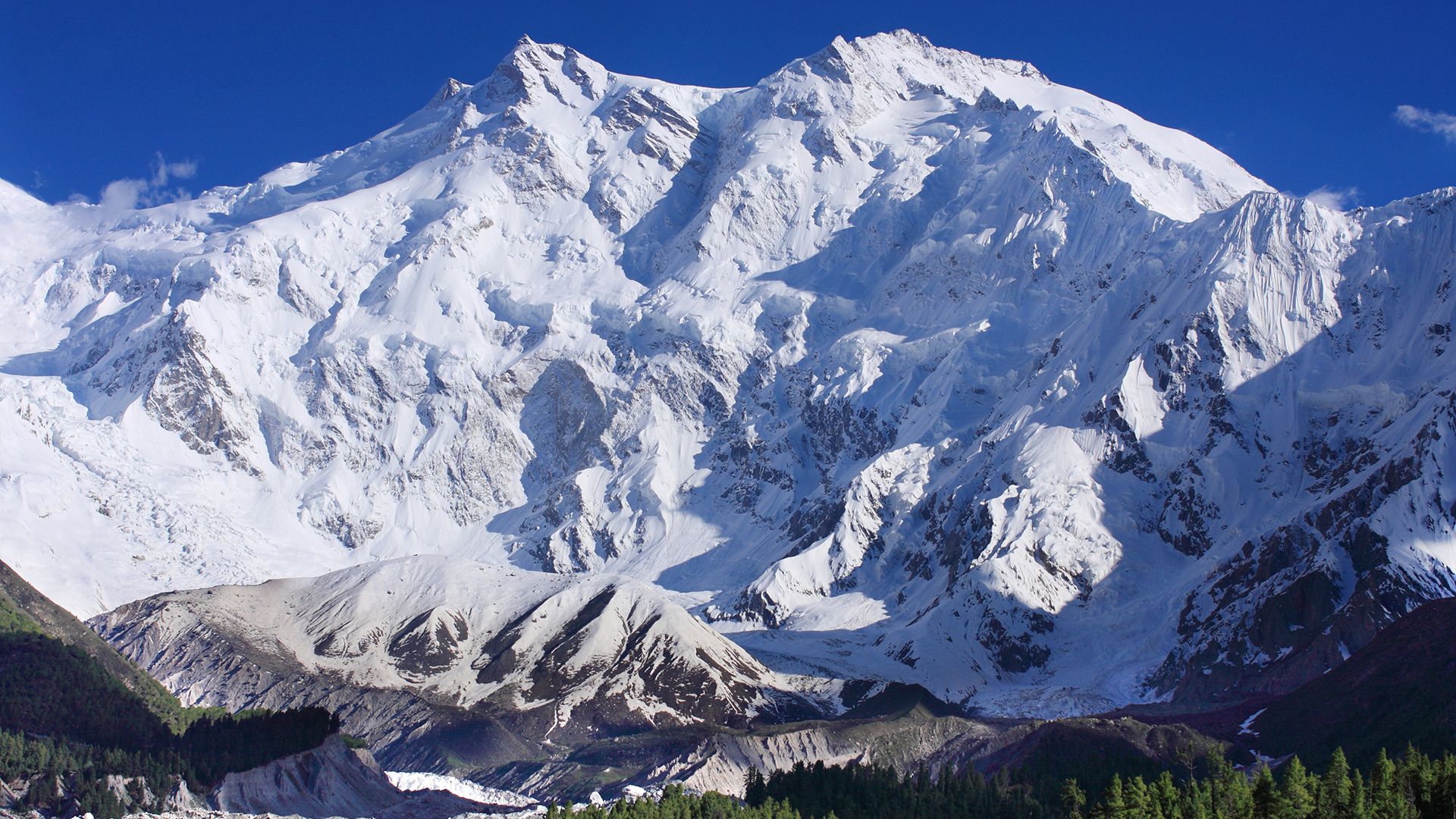
- Gulmarg: Known as the “Meadow of Flowers,” this town serves as a major snow-sports center and offers stunning views of the valley and the Himalayan peak Nanga Parbat peak Nanga Parbat.13
What is the origin of the name ‘Vale of Kashmir’?
According to legend, the name “Kashmir” originates from the name of an ascetic named Kashyapa. It is believed that he reclaimed the land that now comprises the region from a vast lake. This land was initially known as Kashyapamar and eventually evolved into the name Kashmir.2
The Vale of Kashmir itself is an ancient lake basin, which aligns with the traditional narrative of the land being reclaimed from water. The region has a rich history, having been a center of Hindu culture from the 9th to the 12th century CE before transitioning through various periods of rule, including Muslim, Sikh, and Dogra dynasties.452
How does the climate of the Vale of Kashmir affect its agriculture and economy?
The climate of the Vale of Kashmir is a critical driver of its agricultural productivity and economic stability. Characterized by an annual precipitation of approximately 30 inches (750 mm)—derived from both summer monsoons and winter low-pressure systems—the region’s distinct seasonal patterns allow for diverse cultivation.8
Agriculture is the backbone of the local economy, with crops carefully adapted to the valley’s varied conditions. During the summer, farmers grow staples such as rice, corn, millet, and pulses, while wheat and barley serve as the primary spring crops. The valley’s temperate climate is particularly well-suited for high-value horticulture; large orchards produce apples, pears, peaches, walnuts, almonds, and cherries, which are essential exports for the region. Notably, the vale is the exclusive producer of saffron in the Indian subcontinent, a crop that thrives in the specific environmental conditions of the basin.9
Furthermore, the valley’s water resources, supported by seasonal precipitation, facilitate intensive vegetable and flower cultivation in reclaimed marshlands and on artificial floating gardens, while also providing vital fish and water chestnut harvests.9
What are the geographical features that make the Vale of Kashmir unique?
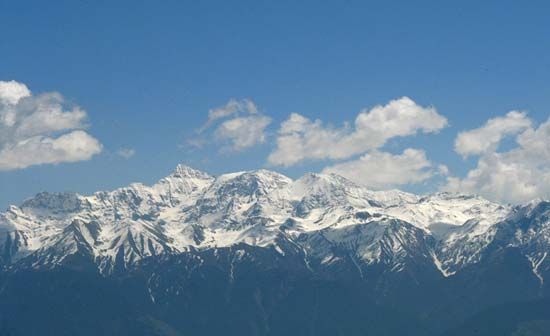
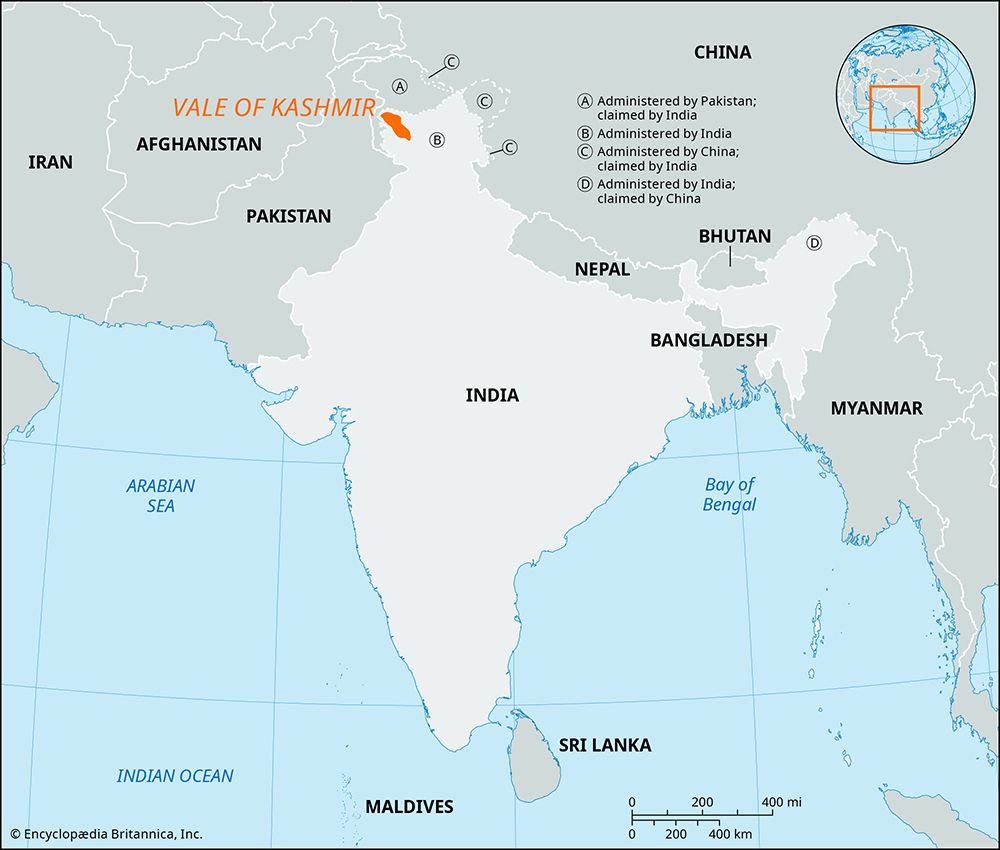
The Vale of Kashmir is a unique geographical feature defined by its status as an ancient, asymmetrical intermontane basin. Situated at an average elevation of 5,300 feet (1,620 meters), the valley is cradled between the Pir Panjal Range to the southwest and the main range of the Himalayas to the northeast.212
Key features that distinguish the region include:
- Geological Origins: Once occupied by a body of water known as Lake Karewa during the Pleistocene epoch, the valley is now filled with lacustrine sediments and fertile alluvium deposited by the upper Jhelum River.212
- Topography: The vale spans approximately 85 miles (135 km) in length and 20 miles (32 km) in width, surrounded by towering mountain walls that rise between 12,000 and 16,000 feet (3,600 to 4,800 meters).2
- Hydrology: The valley serves as the basin for the upper Jhelum River, which flows through the region toward Wular Lake.29
- Climate Shielding: Its high mountain borders shelter the valley from the full force of the wet southwest monsoon, creating a distinct temperate environment.2
Sources
- Srinagar — Encyclopædia Britannica
- Vale of Kashmir — Encyclopædia Britannica
- Jammu and Kashmir - Tourism — Encyclopædia Britannica
- Kashmir - The region to 1947 — Encyclopædia Britannica
- Kashmirian — Merriam-Webster
- Kashmir — Merriam-Webster
- Jammu and Kashmir - The Vale of Kashmir — Encyclopædia Britannica
- Jammu and Kashmir - Agriculture — Encyclopædia Britannica
- Kashmir - Land and people — Encyclopædia Britannica
- Jammu and Kashmir - Manufacturing — Encyclopædia Britannica
- India - Importance to agriculture — Encyclopædia Britannica
- Jhelum River — Encyclopædia Britannica
Published on · 3 min read