Pir Panjal Range
The Pir Panjal Range is a significant mountain system in the western Himalayas, extending over 200 miles through Kashmir and Himachal Pradesh. While the…
What are some popular trekking routes in the Pir Panjal Range?
The Pir Panjal Range is a significant mountain system in the western Himalayas, extending over 200 miles through Kashmir and Himachal Pradesh. While the range is known for its high elevation, averaging over 13,000 feet, and its extensive alpine pastures, the provided search results do not contain specific information regarding popular trekking routes within the region.12
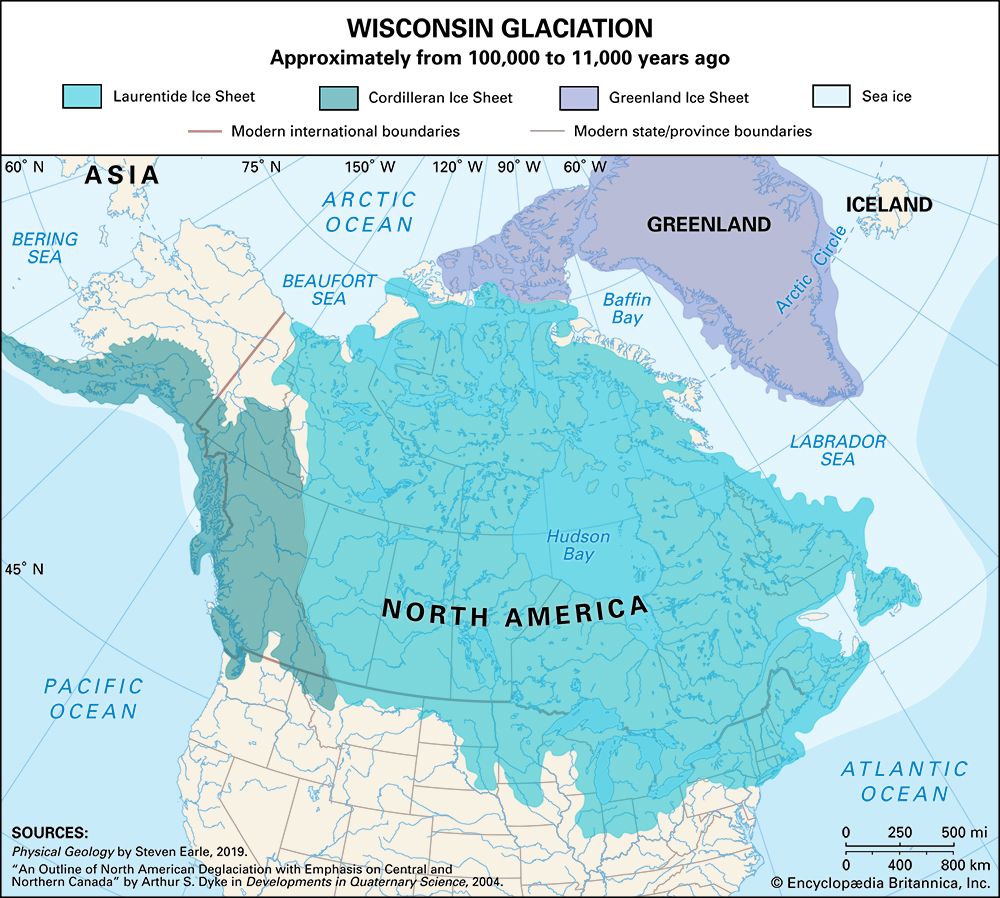
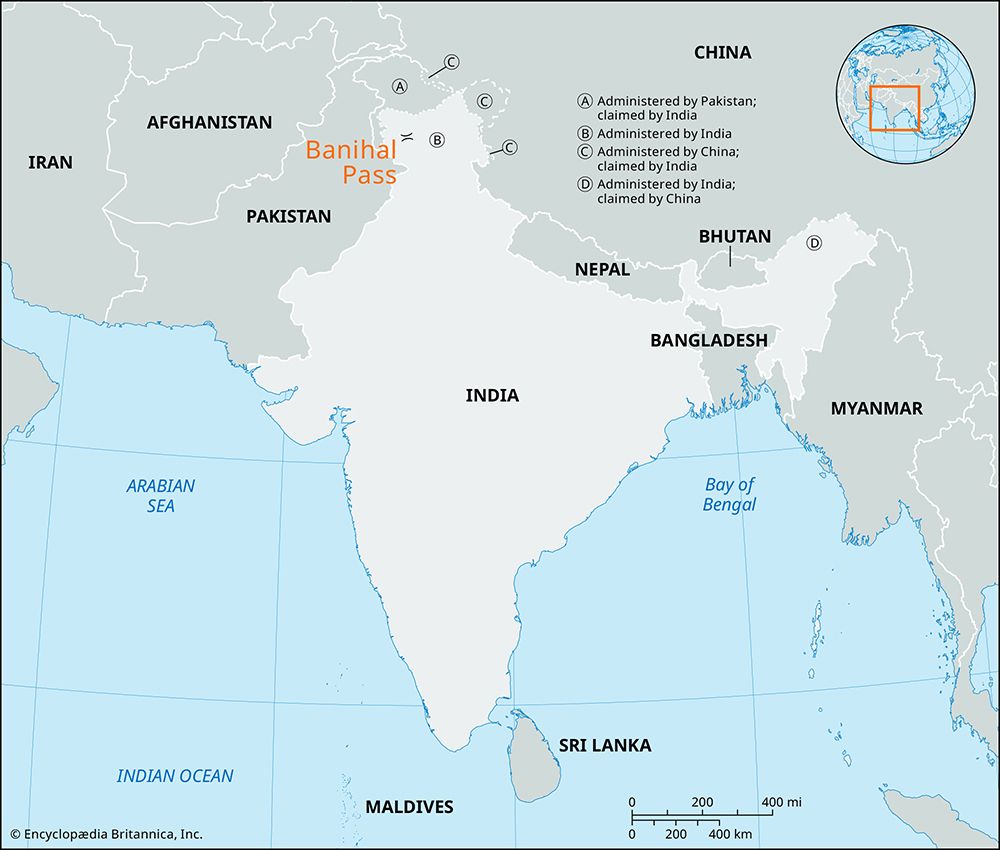
The range is characterized by its rugged terrain, ancient rock formations, and significant glaciation during the Pleistocene Epoch, which contributes to its dramatic landscape. Access to the region is historically facilitated by major passes such as the Pir Panjal Pass and Banihal Pass, the latter of which features a highway tunnel that allows for year-round transit to the Vale of Kashmir.21
How long is the Pir Panjal Range, and what are its highest peaks?
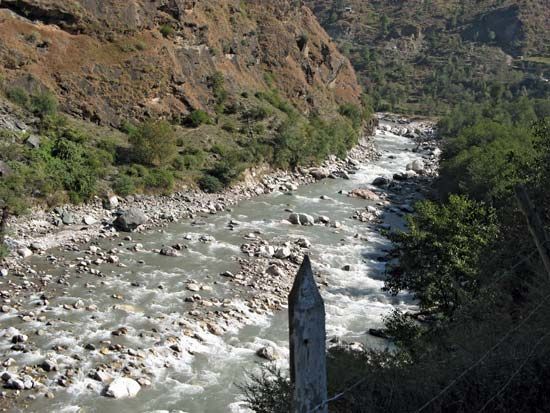
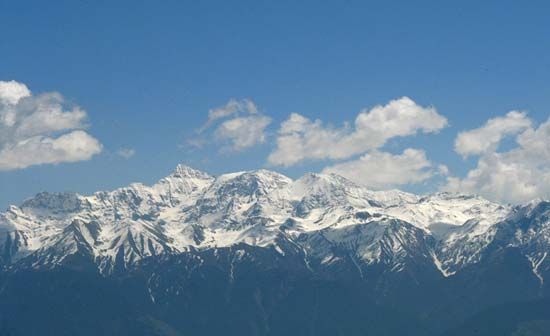
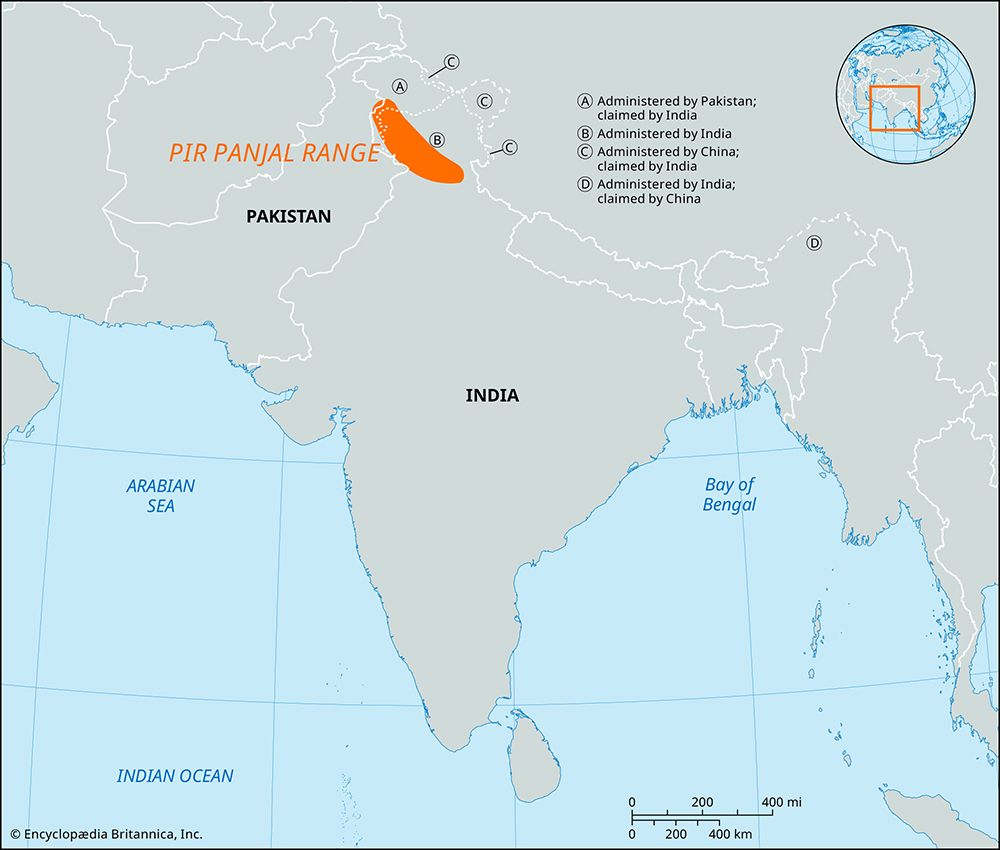
The Pir Panjal Range extends southeastward for more than 200 miles (320 km) across the northern Indian subcontinent, stretching from the Nilam River in the west to the upper Beas River in the east.1
Regarding its elevation, the range has an average crest line of approximately 12,500 to 13,000 feet (3,800 to 4,000 meters). While the provided search results note that individual peaks within the range rise to some 15,000 feet (4,600 meters), they do not identify specific named summits as the highest peaks of the range itself. It is important to note that while Nanga Parbat (26,660 feet) is the highest point of the broader Western Himalayas region, it is not considered a peak of the Pir Panjal Range.132
What are some of the major passes through the Pir Panjal Range?
The Pir Panjal Range features several critical mountain passes that have historically served as vital gateways between the Indian plains and the Vale of Kashmir.
The major passes through the range include:
- Pir Panjal Pass: Situated at an elevation of 11,462 feet (3,494 meters), this pass is a primary crossing point within the mountain system.4
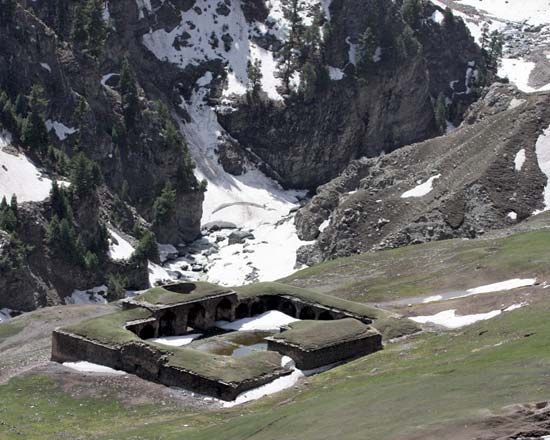
- Banihal Pass: Located at an elevation of 9,290 feet (2,832 meters) in the Doda district, its name translates to “blizzard” in Kashmiri. It serves as the main gateway to the Vale of Kashmir. Modern transit is facilitated by the Jawahar Tunnel, which allows for year-round access to the valley, overcoming the historical challenges of winter snow blockages that once required goods to be transported by porters.14
What types of flora and fauna can be found in the Pir Panjal Range ecosystem?
The Pir Panjal Range supports a diverse range of vegetation shaped by its elevation and precipitation patterns. The outer slopes of the range are particularly noted for their temperate mixed forests, which feature a variety of conifers and broad-leaved trees.2
Key plant species found in the region include:
- Chir Pine (Pinus roxburghii): The dominant species at elevations between 2,700 and 5,400 feet (800 to 1,600 meters).2
- Deodar Cedar (Cedrus deodara): A highly valued endemic species typically found between 6,300 and 9,000 feet (1,900 to 2,700 meters).2
- Other Conifers: Blue pine (Pinus wallichiana) and morinda spruce (Picea smithiana) appear at higher elevations, generally between 7,300 and 10,000 feet (2,200 to 3,000 meters).2
- Alpine Vegetation: Above the tree line, the alpine zone features widespread juniper, rhododendron, mosses, and lichens, along with various flowering plants.2
The provided search results do not contain specific information regarding the fauna of the Pir Panjal Range.
Sources
- Pir Panjal Range — Encyclopædia Britannica
- Jammu and Kashmir - The Pir Panjal Range — Encyclopædia Britannica
- Western Himalayas — Encyclopædia Britannica
- Banihal Pass — Encyclopædia Britannica
- Himalayas - Plant life — Encyclopædia Britannica
Published on · 3 min read