Vanda
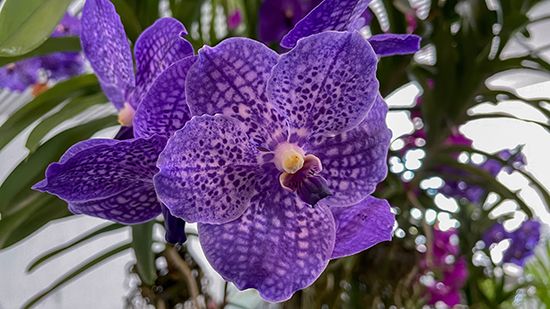
Vanda is a genus comprising approximately 50 species of colorful orchids belonging to the family Orchidaceae. These plants are native to regions spanning…
What is Vanda?
Vanda is a genus comprising approximately 50 species of colorful orchids belonging to the family Orchidaceae. These plants are native to regions spanning from East Asia to Australia.1
Most Vanda species are epiphytic, characterized by long, sturdy stems and straplike leaves, though some possess cylindrical, terete leaves. Their flowers are typically flat, long-lasting, and often fragrant, featuring a short spur on the lip. Due to their aesthetic appeal, many hybrids have been cultivated both within the genus and through crosses with other orchid genera.1
Well-known species include the waling-waling (V. sanderiana), native to the Philippines; the blue-flowered V. coerulea; and the dark-spotted V. tricolor. These orchids thrive in warm, humid environments and require well-draining potting media. The name is derived from the Sanskrit word vandā, referring to the species Vanda tessellata.12
What does it mean for a plant to be epiphytic?
An epiphyte is a plant that grows on another plant or object solely for physical support, rather than for nourishment. Unlike parasitic plants, which penetrate their hosts to extract water and nutrients, epiphytes do not harm the plants they grow upon.345
Because they lack a connection to the ground, epiphytes have evolved to obtain water and nutrients from their surroundings. They typically absorb moisture from rain, fog, and water vapor through their roots or specialized leaves, and they gather nutrients from organic debris that collects in the canopy.3
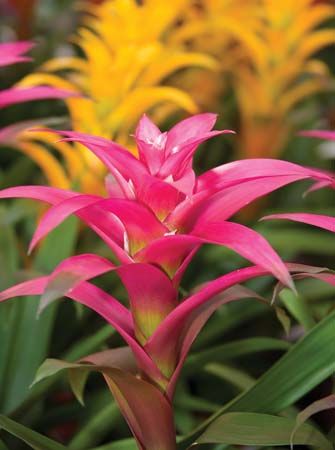
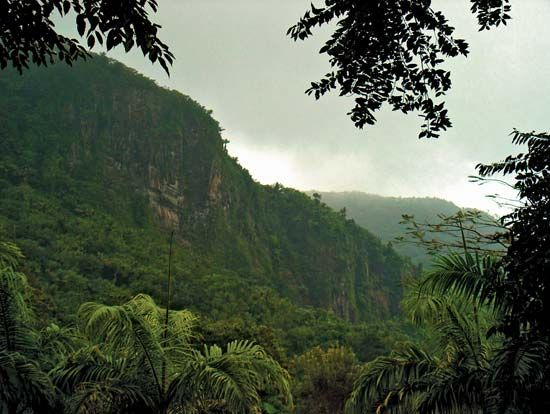
Most epiphytes are found in moist tropical environments, where growing above the forest floor allows them to access sunlight that would otherwise be blocked by dense vegetation. Common examples include many species of orchids, ferns, mosses, and members of the Bromeliaceae family. Due to their unique habitat, they often rely on wind or animals for seed dispersal.34
How do orchid hybrids differ from natural species?
Orchid hybrids differ from natural species primarily in their intentional development for specific horticultural traits, such as enhanced aesthetic appeal, vigor, and ease of cultivation. While natural species evolve through environmental adaptation and natural selection, hybrids are created by crossing different genotypes—sometimes even across different genera—to produce novel flower colors, markings, and shapes.67
The primary distinctions include:
- Hybrid Vigor (Heterosis): The F1F_1 generation of a hybrid cross often exhibits greater vigor than its parents, which can manifest as an increased growth rate, earlier flowering, and greater uniformity.8
- Intentional Selection: Unlike natural species, which maintain their characteristics through natural reproduction, hybrid varieties are often developed by breeders to meet commercial or aesthetic demands, such as producing long-lasting, showy flowers.678
- Breeding Control: The production of hybrid orchids often involves controlled pollination techniques to ensure specific traits are passed from the parent plants to the offspring, a process that does not occur in the wild.678
What are the ideal conditions for growing orchids at home?
To successfully grow orchids at home, it is important to understand that their needs vary significantly depending on the species, as they naturally inhabit diverse environments ranging from cloud forests to deserts. However, many popular houseplants, such as the moth orchid, share common requirements for indoor cultivation.107
Key Growing Considerations
- Growing Medium: Because many orchids are epiphytic, they do not grow in traditional soil. Instead, they thrive in loose, well-draining substrates like wood chips, which allow their thick roots to access air and moisture without becoming waterlogged.7
- Moisture and Nutrition: Cultivated orchids generally require regular watering and consistent fertilizer application to support healthy growth and annual blooming.7
- Light and Environment: While some species are highly adaptable, most prefer environments that mimic their natural habitats. For epiphytes, this often means bright, indirect light and adequate humidity, similar to the conditions found in tropical forests.107
Because the Orchidaceae family is so vast, it is essential to identify the specific needs of your plant to ensure it receives the correct balance of light, water, and temperature.10
Sources
- Vanda — Encyclopædia Britannica
- vanda orchid — Merriam-Webster
- Epiphyte — Encyclopædia Britannica
- Did you know? — Merriam-Webster
- Parasitic plant — Encyclopædia Britannica
- orchid - Structural diversity — Encyclopædia Britannica
- moth orchid — Encyclopædia Britannica
- Odontoglossum — Encyclopædia Britannica
- Plant breeding - Hybrid varieties — Encyclopædia Britannica
- orchid - Ecology — Encyclopædia Britannica
Published on · 3 min read