Butterfly Orchid
The term butterfly orchid is a common name applied to several distinct orchid species across various genera, often due to the insect-like appearance of their…
What is butterfly orchid?
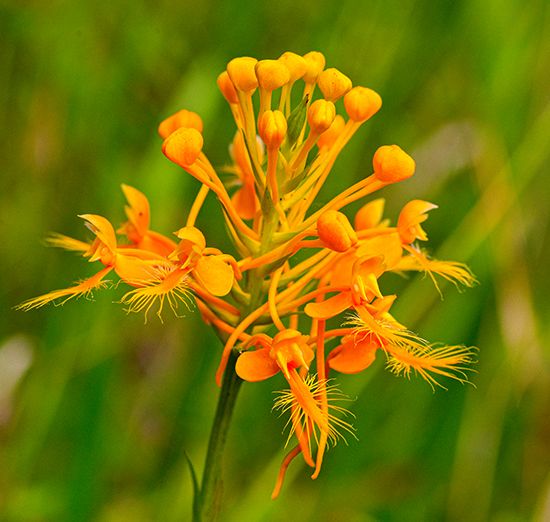
The term butterfly orchid is a common name applied to several distinct orchid species across various genera, often due to the insect-like appearance of their flowers.12
Key examples include:
- Psychopsis: These epiphytic orchids from the Americas feature flowers with narrow, antenna-like petals and speckled lateral sepals that resemble butterfly wings.1
- Platanthera: Also known as rein or bog orchids, this genus includes the lesser butterfly orchid (P. bifolia) and the greater butterfly orchid (P. chlorantha), which are native to Eurasia and North Africa.1
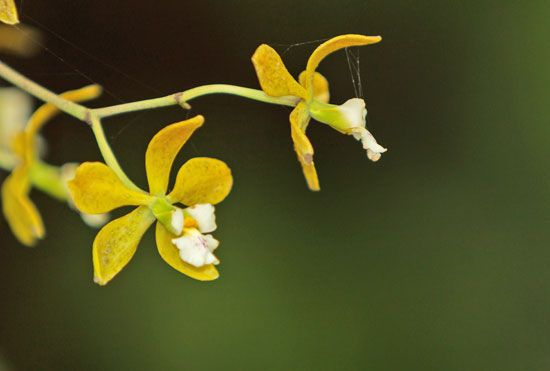
- Encyclia tampensis: Commonly called the Florida butterfly orchid, this fragrant, epiphytic species is found in Florida, Cuba, and the Bahamas.1
- Anacamptis papilionacea: Known as the pink butterfly orchid, this small Mediterranean species is noted for its reddish to magenta flowers.1
Because the name is used broadly, it may also refer to other genera such as Gymnadenia or specific species like Epidendrum venosum depending on the region.3
What is an epiphytic plant and how does it grow?
An epiphyte is a plant that grows on another plant or object solely for physical support, rather than for nourishment. Unlike parasitic plants, epiphytes do not derive nutrients from their host; they are often called “air plants” because they survive without being rooted in the ground.45
Most epiphytes thrive in moist tropical regions, where growing high in the tree canopy allows them to access sunlight that would otherwise be blocked by dense forest foliage. They obtain water from rain and atmospheric vapor, often absorbing it through their roots or specialized leaves. Essential minerals are typically gathered from organic debris that accumulates on the host plant.4
Common examples include many orchids, ferns, mosses, and members of the Bromeliaceae family. Because they occupy specific niches, they often rely on wind or animals to disperse their seeds.4
How do orchids attract specific pollinators to their flowers?
Orchids have evolved highly specialized mechanisms to attract specific pollinators, ranging from offering rewards to sophisticated forms of deception.
Reward-Based Attraction
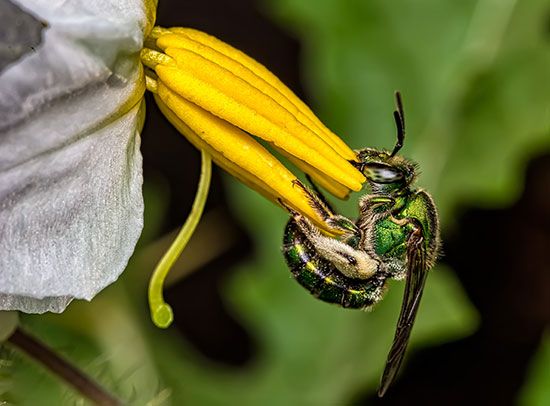
Many orchids attract pollinators by providing nectar as a food source. These flowers often feature bright colors, agreeable odors, and “nectar guides”—colored lines that direct insects toward concealed nectaries. The labellum serves as a landing platform, positioning the insect precisely so that the flower’s pollinia (pollen masses) can be attached to its body.678
Deceptive Strategies
Many orchids are nectarless and rely on deception to ensure pollination:
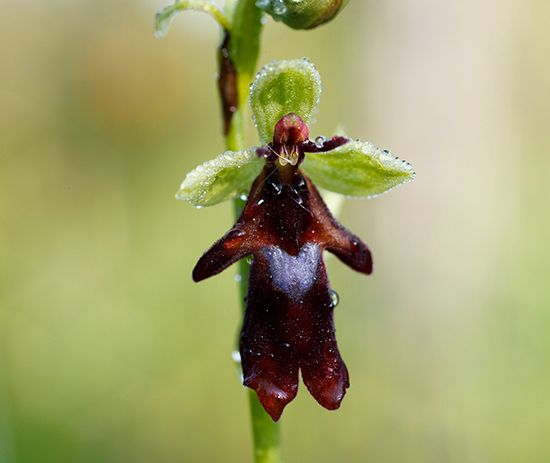
- Sexual Deception: Genera like Ophrys and Cryptostylis mimic the appearance and scent of female insects. Males are lured by pheromones and visual cues to attempt pseudocopulation with the flower, during which they inadvertently collect or deposit pollen.69
- Chemical Collection: Male euglossine bees are attracted to the unique scents of certain orchids. They visit the flowers to collect these fragrances, which they store in specialized leg structures. During this process, the orchid may manipulate the bee into a trap, such as the water-filled bucket of Coryanthes, forcing the insect to exit through a tunnel that ensures pollen transfer.7
- Pseudoantagonism: Some orchids, such as those in the genus Oncidium, simulate enemy insects, provoking male bees to attack the flower and pick up pollen in the process.7
What are some other common types of orchids grown as houseplants?
Beyond the popular moth orchid (Phalaenopsis), several other orchid genera are frequently cultivated as houseplants due to their striking flowers and adaptability to indoor environments:
- Cattleya: Often called the “corsage orchid,” these are prized for their large, showy, and often fragrant flowers. They thrive in bright, humid indoor spaces and are frequently used to create complex hybrids.10
- Dendrobium: This diverse genus includes species with varied growth habits, ranging from reedlike stems to bulblike pseudobulbs. They are popular ornamentals that produce flowers in a wide array of colors and arrangements.11
- Cymbidium: Known for their long-lasting, waxy flowers and arching spikes, these are common favorites for indoor growers who can provide the cooler temperatures many species require to bloom.12
- Oncidium: Often referred to as “dancing lady” orchids, these are favored for their sprays of numerous, small, and often intricately patterned flowers.12
- Vanda: These are highly sought after for their vibrant, often exotic-looking blooms, though they generally require high light levels to thrive indoors.12
Sources
- butterfly orchid — Encyclopædia Britannica
- butterfly orchid — Merriam-Webster
- list of plants in the family Orchidaceae — Encyclopædia Britannica
- Epiphyte — Encyclopædia Britannica
- Did you know? — Merriam-Webster
- mimicry - Orchids — Encyclopædia Britannica
- orchid - Pollination — Encyclopædia Britannica
- orchid - Bee pollination — Encyclopædia Britannica
- orchid - Sexual deception — Encyclopædia Britannica
- Dendrobium — Encyclopædia Britannica
- moth orchid — Encyclopædia Britannica
- cattleya — Encyclopædia Britannica
- houseplant — Encyclopædia Britannica
Published on · 3 min read