Vatnajökull
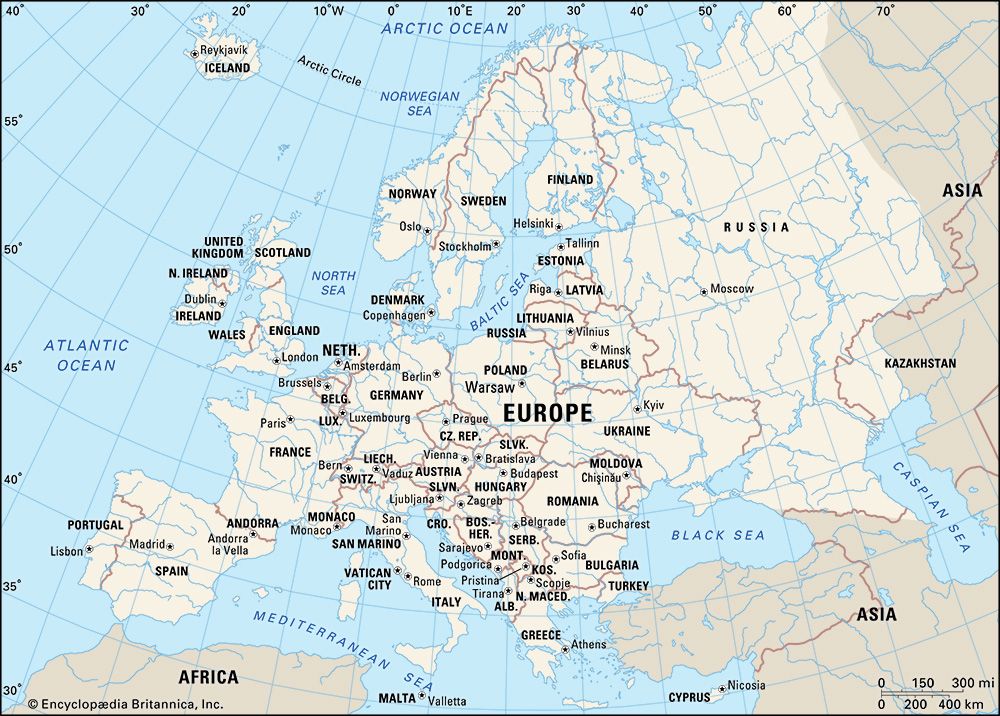
Vatnajökull is an extensive ice field located in southeastern Iceland. It covers an area of approximately 3,200 square miles (8,400 square km) and features…
What is the size and location of Vatnajökull ice field in Iceland?
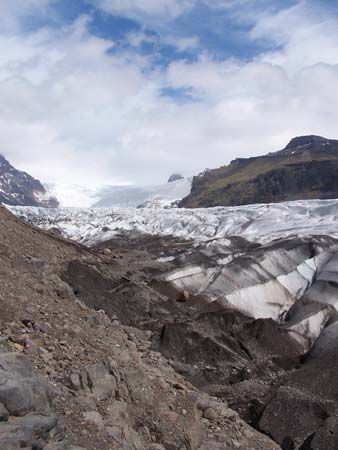
Vatnajökull is an extensive ice field located in southeastern Iceland. It covers an area of approximately 3,200 square miles (8,400 square km) and features an average ice thickness exceeding 3,000 feet (900 meters).1
While the ice field generally sits at an elevation of about 5,000 feet above sea level, it reaches its highest point at Hvannadals Peak, which rises to 6,952 feet (2,119 meters) in the Öræfajökull region. Vatnajökull is the largest glacier in Iceland, with a total area equal to the combined size of all other glaciers on the continent of Europe. The ice field is notable for containing numerous active volcanoes, including Grímsvötn, which can trigger significant glacier floods known as jökulhlaup when subglacial eruptions occur.12
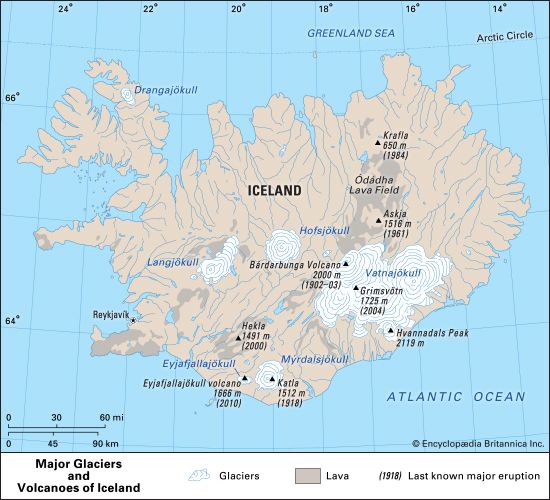
How do volcanic activities beneath Vatnajökull impact the ice field and surrounding areas?
Volcanic activity beneath the Vatnajökull ice field significantly shapes both the glacier and the surrounding landscape through thermal melting and catastrophic flooding.
Impact on the Ice Field
Numerous active volcanoes reside beneath the ice, most notably Grímsvötn. When these volcanoes erupt, they melt the surrounding ice, creating subglacial lakes. These lakes can eventually breach their ice walls, leading to massive, sudden releases of water known as jökulhlaup, or “glacier runs.” During historical eruptions in 1934 and 1938, these floods reached discharge rates of 65,000 cubic yards per second.2
Impact on Surrounding Areas
These glacial bursts, combined with heavy moraine deposition, historically created hazardous conditions that prevented road construction along the narrow coastal strip between the ice field and the ocean. Consequently, the coastal road encircling Iceland was not completed until the mid-1970s. Additionally, the meltwaters generated by these volcanic processes feed hundreds of rivers, including the Thjórs, Skjálfandafljót, and Jökulsá á Fjöllum, which are vital to the region’s hydrology.2
What role does Vatnajökull play in Iceland’s ecosystem and water resources?
Vatnajökull serves as a critical component of Iceland’s ecosystem and hydrology, acting as a massive natural reservoir that regulates the island’s water resources.21
Hydrological Role
As a temperate glacier, Vatnajökull stores precipitation in both solid and liquid forms, releasing it over time to feed hundreds of rivers across the landscape. These meltwaters are essential for the country’s river systems, including major waterways such as the Thjórs, Skjálfandafljót, Jökulsá á Fjöllum, and Jökulsá á Fljótsdal (which becomes the Lagarfljót downstream). By naturally regulating runoff, the ice field helps maintain stable streamflow, which is vital for the surrounding environment.21
Ecological and Geological Impact
The interaction between the ice and the volcanic activity beneath it creates a unique, dynamic environment. Periodic eruptions, particularly from the Grímsvötn volcano, melt subglacial ice to form lakes that occasionally trigger catastrophic floods known as jökulhlaup. These events, along with significant moraine deposition, have historically shaped the coastal geography and influenced human settlement patterns by creating challenging terrain that long hindered the construction of Iceland’s coastal road network.24
What is the meaning of the name ‘Vatnajökull’ and how does it relate to the ice field’s characteristics?
The name Vatnajökull is derived from the Icelandic words vatn, meaning “water,” and jökull, meaning “glacier” or “ice mountain.”27
This name accurately reflects the ice field’s defining characteristics as a massive, water-rich reservoir. Covering 3,200 square miles with an average ice thickness exceeding 3,000 feet, the glacier acts as a primary source for hundreds of rivers across Iceland. Its status as a “water glacier” is further highlighted by the intense geothermal activity occurring beneath it; active volcanoes like Grímsvötn frequently melt the ice from below, creating subglacial lakes that periodically discharge massive volumes of water in events known as jökulhlaup, or “glacier runs.”8
Sources
- Iceland - Land — Encyclopædia Britannica
- Vatnajökull — Encyclopædia Britannica
- Langjökull — Encyclopædia Britannica
- Iceland - Lakes and rivers of Iceland — Encyclopædia Britannica
- glacier - Glacier hydrology — Encyclopædia Britannica
- Arctic - Other glacier groups — Encyclopædia Britannica
- jokul — Merriam-Webster
- Vatnajökull — Merriam-Webster
Published on · 3 min read