Wahoo
The wahoo (Acanthocybium solanderi) is a swift, powerful, and predatory fish belonging to the family Scombridae, which also includes tunas and mackerels.
What is wahoo?
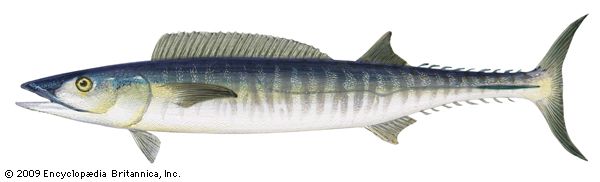
The wahoo (Acanthocybium solanderi) is a swift, powerful, and predatory fish belonging to the family Scombridae, which also includes tunas and mackerels.12
Found primarily in tropical and warm waters worldwide, the wahoo is characterized by its slim, streamlined body, sharp-toothed beaklike jaws, and a crescent-shaped tail. It typically displays a gray-blue coloration with vertical bars and features small finlets behind its dorsal and anal fins. These fish are highly regarded as both a food source and a popular game fish, capable of reaching lengths of up to 1.8 meters (6 feet) and weights exceeding 55 kilograms (120 pounds).12
How does the wahoo compare to other members of the mackerel family?
The wahoo (Acanthocybium solanderi) shares the Scombridae family with various mackerels, but it possesses distinct physical and behavioral traits that set it apart from its relatives.13
Key Comparisons
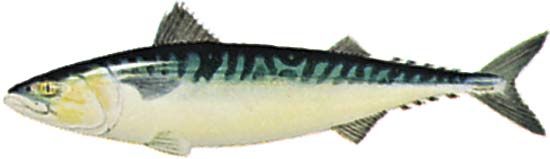
- Size and Build: While many mackerels, such as the common mackerel, are relatively small (averaging 30 cm), the wahoo is significantly larger, reaching up to 1.8 meters and 55 kg. It is more comparable in size to the king mackerel (Scomberomorus cavalla), which can weigh 36 kg or more.13
- Physical Features: Like other Scombrids, the wahoo features a streamlined body and small finlets behind its dorsal and anal fins. However, it is distinguished by its sharp-toothed, beaklike jaws, whereas other mackerels vary from having small scales and large mouths to being more rounded and torpedo-shaped.13
- Behavior and Fishing: Mackerels often congregate in large schools and are frequently harvested via nets. In contrast, the wahoo is a solitary, swift-moving predator highly prized as a game fish for angling.31
What makes the wahoo such a popular target for sport fishing?
The wahoo (Acanthocybium solanderi) is highly esteemed by anglers as a premier sport fish due to its reputation as a vigorous, swift-moving, and powerful predator.14
Its popularity in recreational angling is driven by several key factors:
- Physical Prowess: As a large member of the Scombridae family, the wahoo is built for speed and strength. Its streamlined body, tapered shape, and crescent-shaped tail allow it to be a formidable opponent for any angler.1
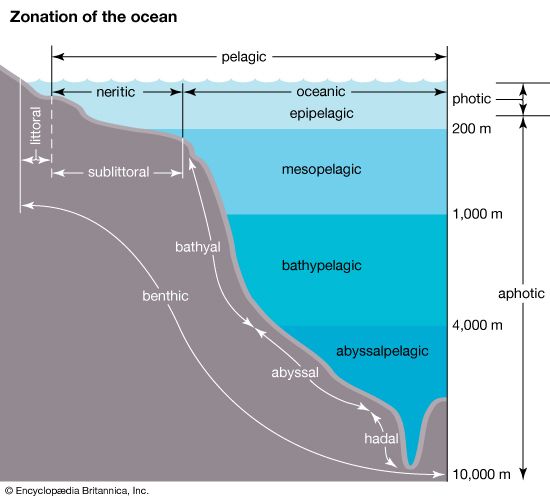
- Sporting Challenge: Because the wahoo is a highly mobile pelagic species, it is a primary target for trolling. This method allows sport fishermen to cover large areas of water to locate and engage these powerful fish.2
- Culinary Value: Beyond the thrill of the catch, the wahoo is widely valued as a high-quality food fish, adding to its status as a prized trophy in both nearshore and offshore fishing environments.14
What do wahoo typically eat in their tropical habitats?
The wahoo (Acanthocybium solanderi) is a powerful, predacious fish that thrives in tropical waters worldwide. While the provided information identifies the wahoo as a predator characterized by its sharp-toothed, beaklike jaws and streamlined, athletic build, the specific details regarding its dietary habits are not contained in the current knowledge base.1
Sources
- wahoo — Encyclopædia Britannica
- wahoo — Merriam-Webster
- mackerel — Encyclopædia Britannica
- trolling — Encyclopædia Britannica
Published on · 2 min read