Hogfish
The term hogfish refers to several species of fish within the wrasse family, Labridae. While wrasses are found in oceans globally, hogfishes are primarily…
What is hogfish?
The term hogfish refers to several species of fish within the wrasse family, Labridae. While wrasses are found in oceans globally, hogfishes are primarily located in the Atlantic, particularly in the West Indies.1
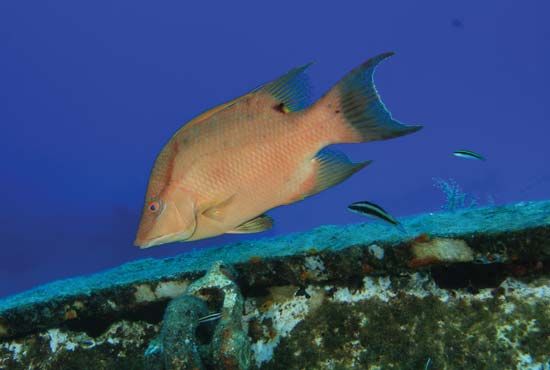
The most prominent species, Lachnolaimus maximus, is a large fish often used for food. It typically inhabits warm, subtropical waters ranging from Florida to Bermuda and the South American coast. These fish are generally red to pinkish in color and can reach lengths of up to 60 cm (2 feet). A distinctive physical feature is the presence of three or four elongated, filamentous spines on the anterior portion of the dorsal fin.21
Other species, such as the spotfin hogfish and the Spanish hogfish, belong to the genus Bodianus. Notably, young Spanish hogfish are known to clean other fish by removing external parasites.1
What are the defining characteristics of the wrasse family?
The wrasse family (Labridae) comprises nearly 500 species of marine bony fishes found in tropical and temperate seas worldwide. They are characterized by several distinct physical and biological traits:3
Physical Characteristics
- Body Shape: Most species are elongated and relatively slender, ranging in size from 5 cm to over 2 meters.3
- Anatomy: They typically feature thick lips, smooth scales, and long dorsal and anal fins.3
- Dentition: A common trait is the presence of large, often protruding canine teeth located at the front of the jaw.3
- Coloration: Many wrasses are brilliantly and intricately colored, though patterns can vary significantly based on the individual’s age and sex. Some species are known to bury themselves in sand at night.34
Biological and Behavioral Traits
- Reproduction: Most wrasses are protogynous hermaphrodites, meaning they function as females first before transforming into males. In some species, this sex change is accompanied by a change in color.35
- Diet and Ecology: While most are carnivorous and prey on marine invertebrates, some smaller species act as “cleaners,” removing external parasites from larger fish. They play an important role in maintaining the health of coral reef ecosystems.36
How do cleaner fish like the Spanish hogfish help their ecosystem?
Cleaner fish, such as the juvenile Spanish hogfish, play a vital role in their ecosystems through a process known as mutualism. By removing external parasites and dead tissue from the skin, mouths, and gill chambers of larger fish, these cleaners provide a significant health service to their “clients,” which include species like groupers, eels, and snappers.89101
This interaction benefits both parties involved:
- For the cleaner: The fish gains a reliable source of food and protection from predators while operating at established “cleaning stations”.810
- For the client: The larger fish remains clean and healthy, free from the burden of parasites.8
During these sessions, larger fish often suspend their predatory instincts, allowing the cleaner fish to move safely around and even inside their mouths. This specialized behavior helps maintain the overall health and balance of coral reef communities by reducing parasite loads among the local fish populations.1018
What other marine species are found in the West Indies?
The coastal and marine environments of the West Indies and the wider Caribbean region support a diverse array of marine life, particularly around coral reefs. Characteristic species found in these waters include:
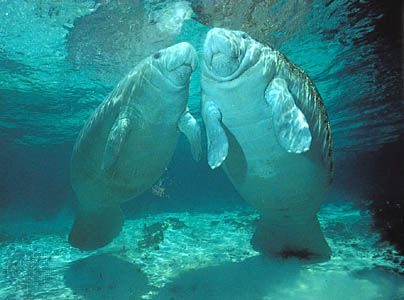
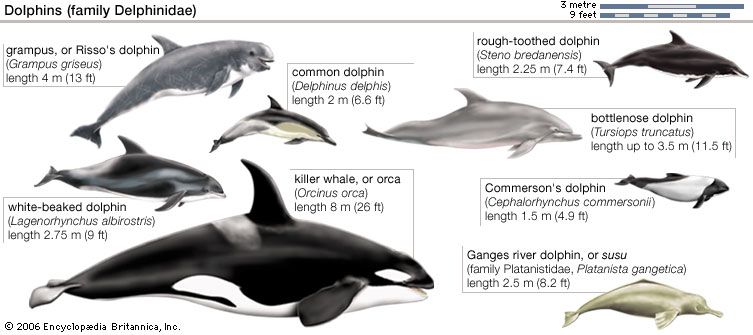
- Marine Mammals: The manatee and various species of dolphin are notable inhabitants of the region.1112
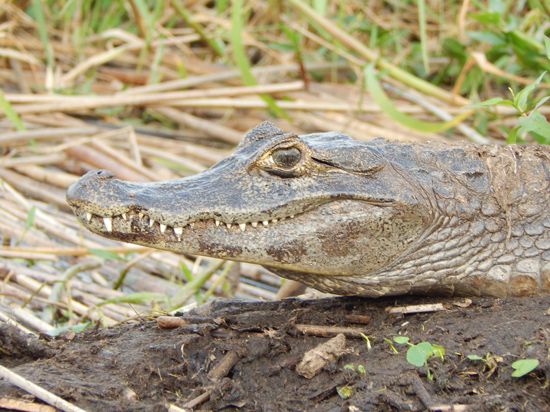
- Reptiles: Several species of sea turtles and the caiman are found in these coastal waters.1112
- Fish: The region is home to a wide variety of reef fishes, including red snapper, bonito, and flying fish. Common game fish include barracuda, marlin, wahoo, and bonefishes. Additionally, the manta ray is a characteristic species of the area.1112
- Invertebrates: The spiny lobster and the queen conch are significant marine invertebrates harvested throughout the region.11
These marine ecosystems are supported by submerged fields of turtle grass and fringing reefs, which provide essential habitats for these diverse assemblages of life.11
Sources
- hogfish — Encyclopædia Britannica
- hogfish — Merriam-Webster
- wrasse — Encyclopædia Britannica
- Christmas plants and animals: 12 festive species - Christmas wrasse ( Thalassoma trilobatum ) — Encyclopædia Britannica
- wrasse — Merriam-Webster
- Reproductive behaviour - Fishes — Encyclopædia Britannica
- Sex - Sex patterns — Encyclopædia Britannica
- cleaner fish — Merriam-Webster
- perciform - Interspecific relationships — Encyclopædia Britannica
- cleaner wrasse — Merriam-Webster
- Caribbean Sea - Resources — Encyclopædia Britannica
- West Indies — Encyclopædia Britannica
- Caribbean Sea - Study and exploration — Encyclopædia Britannica
Published on · 3 min read