Wainganga River
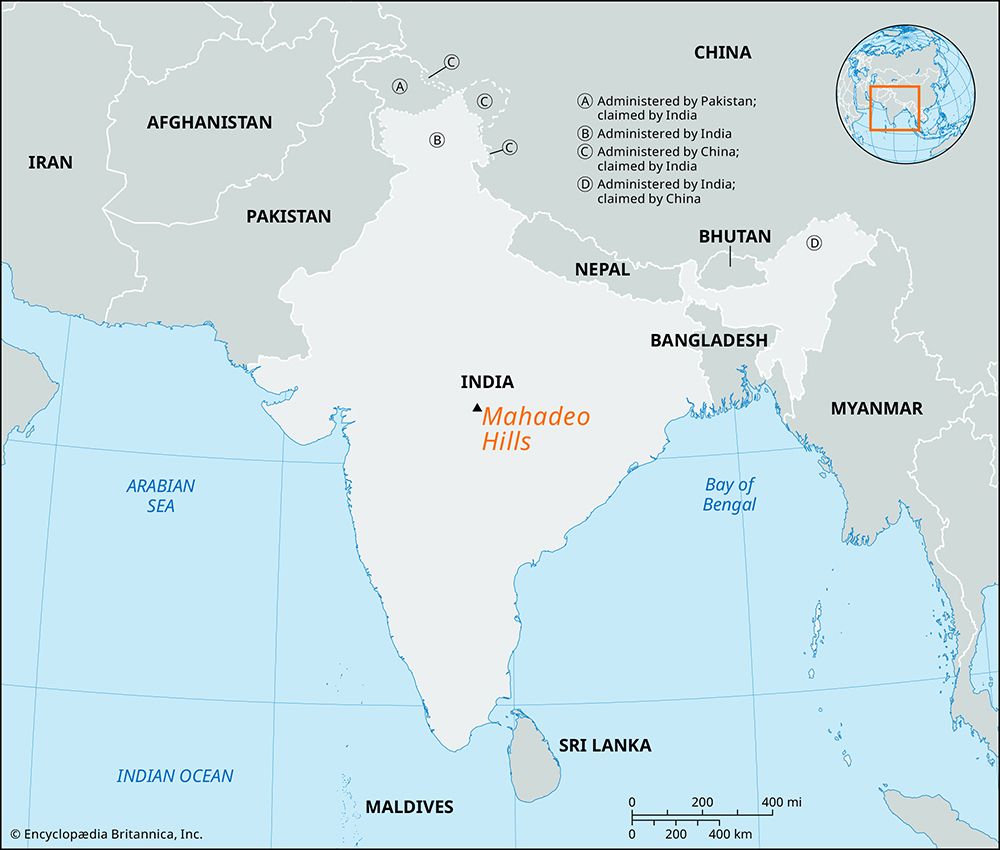
The Wainganga River is located in south-central India. It originates in the Mahadeo Hills of Madhya Pradesh and flows southward for 360 miles (580 km) before…
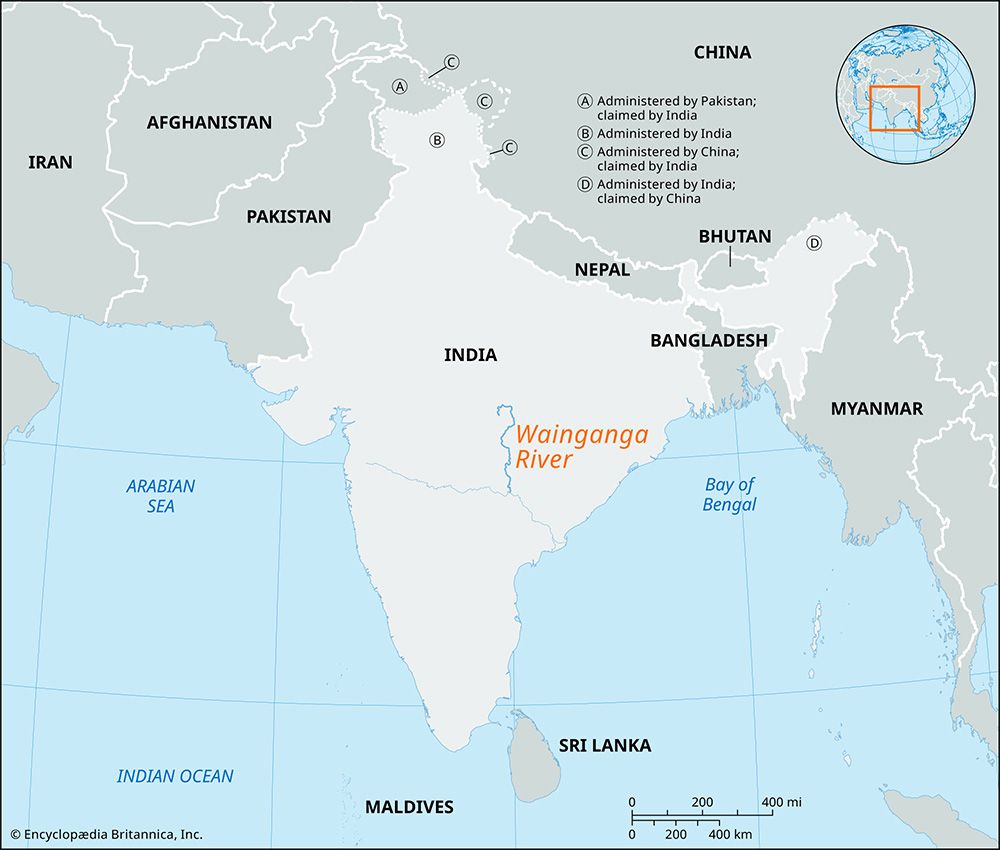
Where is the Wainganga River located in India, and what are its major tributaries?
The Wainganga River is located in south-central India. It originates in the Mahadeo Hills of Madhya Pradesh and flows southward for 360 miles (580 km) before joining the Wardha River to form the Godavari River system1.
The river receives water from several major tributaries, including:
As it nears its confluence, the river forms the boundary between Maharashtra and Telangana states, where it is known as the Pranhita.1
How does the Wainganga River connect to the larger river system in India?
The Wainganga River serves as a vital tributary within the Godavari River system, which is one of the longest river networks in India.12
The connection occurs through the following process:
- Confluence: The Wainganga flows southward for 360 miles until it meets the Wardha River, which is a headwater of the Godavari.1
- Pranhita Formation: Along the final 142 miles of its course, the river is known as the Pranhita. This combined flow eventually joins the main stem of the Godavari River.12
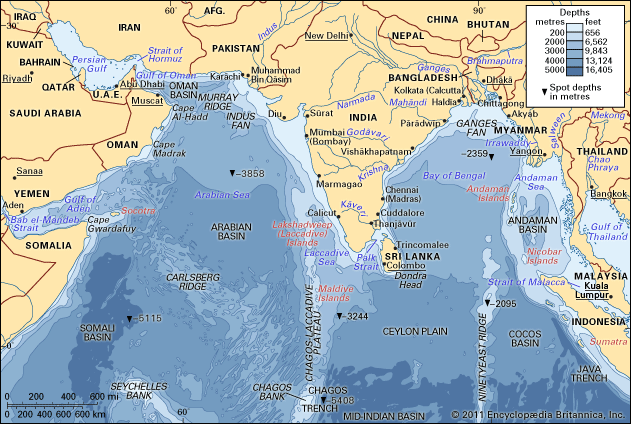
- Drainage: By integrating into this system, the Wainganga contributes to a massive drainage basin covering approximately 121,000 square miles, which ultimately empties into the Bay of Bengal.2
This integration is essential for regional irrigation, particularly for rice cultivation along the riverbanks, and supports various water resource projects throughout the basin.12
What are some of the major cities or towns located along the banks of the Wainganga River?
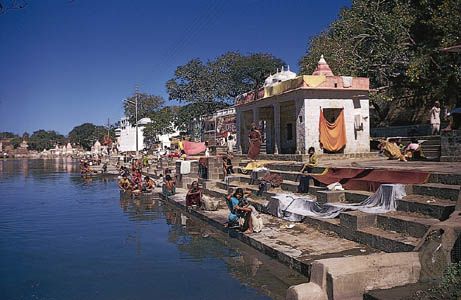
Several towns and cities are situated along or near the banks of the Wainganga River, primarily within the states of Maharashtra and Madhya Pradesh. While the river valley is generally forested and sparsely populated, human settlement is concentrated along the river to support extensive rice irrigation.1
Key towns and cities associated with the river include:
- Bhandara: Located in northeastern Maharashtra, this town developed as a commercial center at a historic fording place on the river.13
- Balaghat: Situated in southeastern Madhya Pradesh, this town lies just east of the river and serves as a significant agricultural and manganese-mining hub.14
- Kamptee: A town located in Maharashtra, positioned within the northern industrial area near Nagpur.1
- Tumsar: Another notable town located along the river in Maharashtra.1
- Pauni: A town situated along the banks of the Wainganga in Maharashtra.1
These settlements play vital roles in the regional economy, ranging from industrial manufacturing and trade to the processing of agricultural products like rice and sugar.134
What is the cultural and religious significance of the Wainganga River in Indian mythology?
The name of the Wainganga River translates to “Arrow of Water.” Its etymological roots are tied to Indian mythology, as the name is believed to be derived from the goddess Ganga and Venu (or Benu), a king who is said to have ruled in Damoh during Puranic times.1
While the river is significant for its role in regional irrigation and geography, the provided information does not detail specific religious rituals or broader mythological narratives associated with the Wainganga beyond this naming origin. It is important to distinguish this river from other sacred water bodies in India, such as the Yamuna or the Ganges, which are central to major pilgrimage sites and extensive mythological traditions.5
Sources
- Wainganga River — Encyclopædia Britannica
- Godavari River — Encyclopædia Britannica
- Bhandara — Encyclopædia Britannica
- Balaghat — Encyclopædia Britannica
- Whanganui River — Encyclopædia Britannica
- Uttarakhand - Pilgrimage centres — Encyclopædia Britannica
Published on · 3 min read