Yamuna River
The Yamuna River is a vital waterway in northern India that interacts with several other river systems throughout its course. As it flows across the…
How does the Yamuna River interact with other major rivers in India, such as the Ganges?
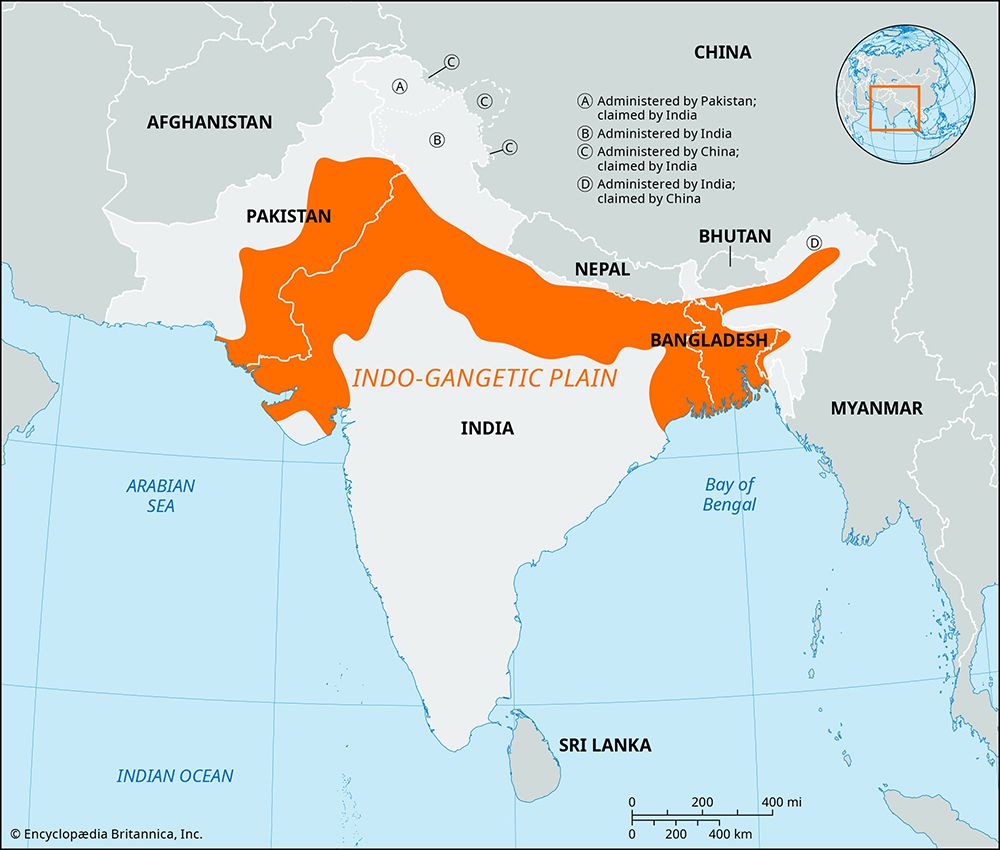
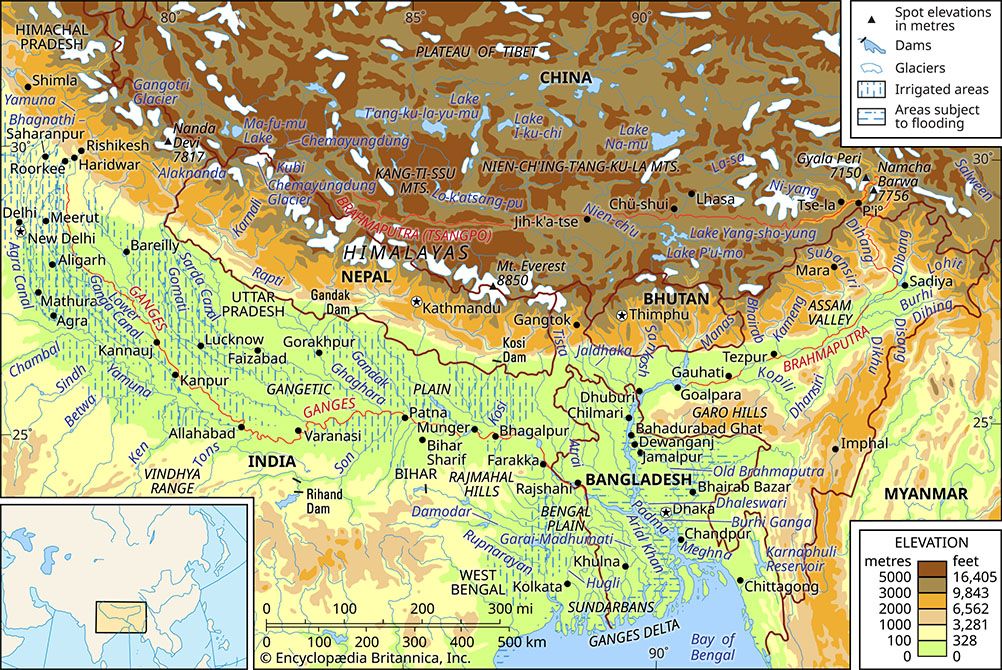
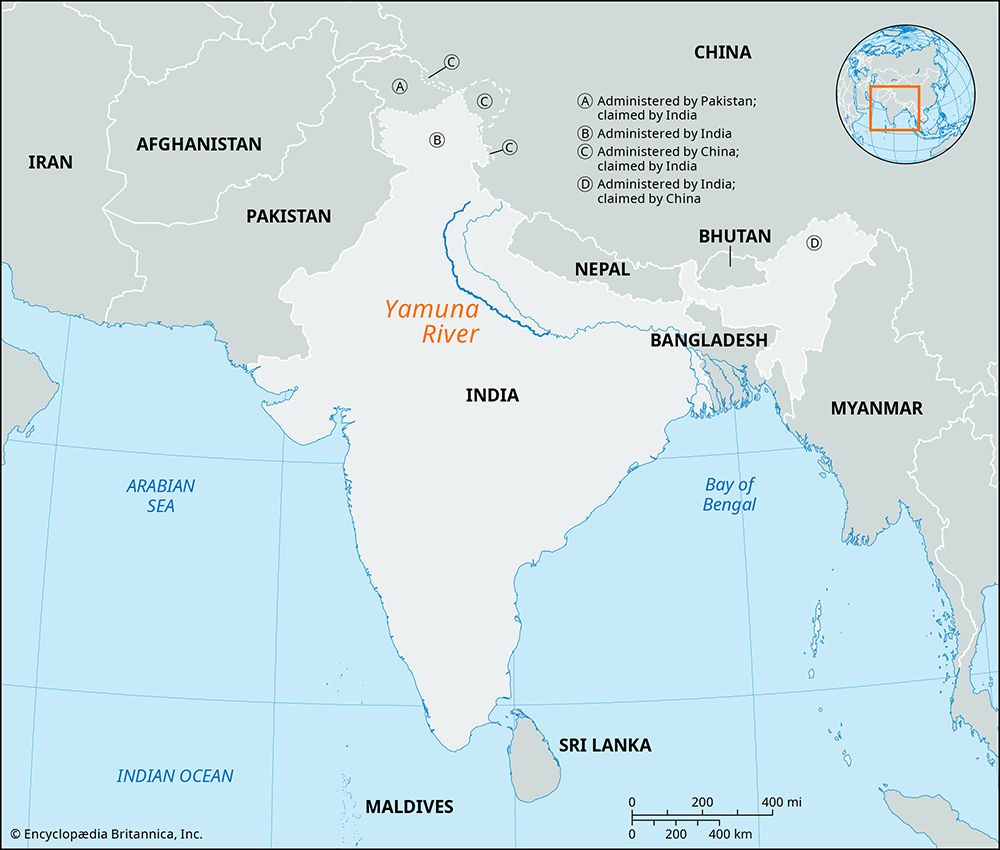
The Yamuna River is a vital waterway in northern India that interacts with several other river systems throughout its course. As it flows across the Indo-Gangetic Plain, it is tapped for irrigation through the Eastern and Western Yamuna canals and the Agra Canal.1
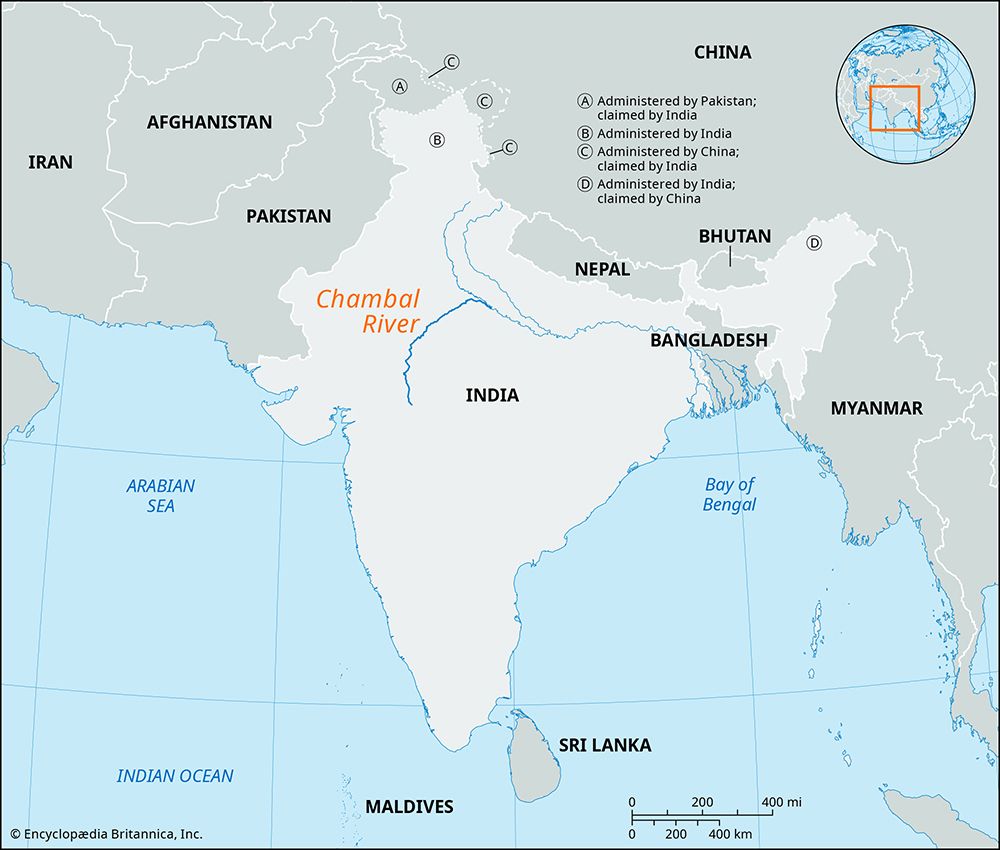
As the river moves southeast, it receives significant southern tributaries, including the Chambal, the Sindh, the Betwa, and the Ken rivers. The Yamuna’s most significant interaction occurs near Prayagraj, where it merges with the Ganges (Ganga) River. This confluence is considered a profoundly sacred site in Hinduism, serving as the location for annual festivals and the major Kumbh Mela pilgrimage.1
While the river is essential for agriculture and culture, it faces severe environmental challenges due to pollution from densely populated regions, prompting ongoing restoration efforts like the Yamuna Action Plan.1
How does the water quality of the Yamuna River compare to other major rivers in India?
The Yamuna River is widely considered one of the most polluted rivers in India, with its condition often described as more severe than that of other major waterways. As it flows through densely populated regions like Delhi, the river receives vast quantities of untreated sewage and industrial effluents, which frequently result in low oxygen levels, high toxicity, and the presence of foam on the water’s surface.12
While the Ganges River also suffers from significant degradation due to industrial waste, agricultural runoff, and the discharge of untreated sewage from the intensely inhabited regions along its course, the pollution in the Yamuna is noted for its extreme intensity. Both rivers face similar systemic pressures, including the diversion of water for irrigation, which reduces the flow necessary to dilute and assimilate pollutants.231
Efforts to address these crises, such as the Yamuna Action Plan and the Namami Gange program, reflect a critical national commitment to restoring these vital ecosystems.13
What is the geographical location and course of the Yamuna River in India?
The Yamuna River is a major waterway in northern India, primarily flowing through the states of Uttarakhand and Uttar Pradesh. It originates on the slopes of the Bandarpunch massif in the Great Himalayas near Yamnotri.1
The river’s course follows a distinct path:
- Himalayan Foothills: It flows swiftly southward from the mountains onto the Indo-Gangetic Plain, forming the border between Haryana and Uttar Pradesh.1
- Urban Transit: The river passes through Delhi and turns southeastward near Mathura, flowing past Agra, Firozabad, and Etawah.1
- Confluence: Below Etawah, it receives major southern tributaries, including the Chambal, the Sindh, the Betwa, and the Ken. It travels approximately 855 miles (1,376 km) before joining the Ganges (Ganga) River at Prayagraj.1
What is the cultural and religious significance of the Yamuna River in Hinduism?
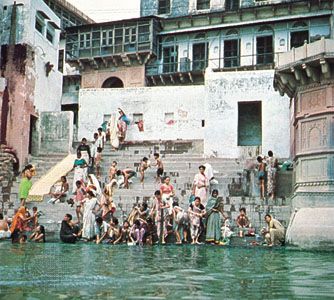
The Yamuna River holds a position of profound sanctity in Hinduism, revered as one of the most sacred rivers in India. Its religious significance is deeply intertwined with the mythology of the deity Krishna, an avatar of Vishnu.15
Key aspects of its cultural and religious importance include:
- Connection to Krishna: According to tradition, the infant Krishna was carried by his father, Vasudeva, across the flooded Yamuna to safety in Gokula to protect him from the tyrant King Kamsa. The river is also associated with the goddess Yogmaya, who revealed her divine nature after being exchanged for the infant Krishna.56
- Sacred Confluence: The point where the Yamuna joins the Ganges (Ganga) River at Prayagraj is considered exceptionally holy. This site hosts major religious gatherings, including the annual Magh Mela and the Kumbh Mela, which draws millions of devotees every 12 years.17
- Divine Association: In classical Hindu mythology, the river is often depicted as a goddess who attends Varuna, the deity associated with oceans and cosmic waters.8
Sources
- Yamuna River — Encyclopædia Britannica
- pollution in India - Pollutant buildup in rivers — Encyclopædia Britannica
- water pollution - Water quality standards — Encyclopædia Britannica
- Ganges River - Environmental issues — Encyclopædia Britannica
- Krishna — Encyclopædia Britannica
- Makar Sankranti: Top Questions — Encyclopædia Britannica
- Durga - Yogmaya — Encyclopædia Britannica
- Varuna — Encyclopædia Britannica
Published on · 3 min read