Tart Cherry
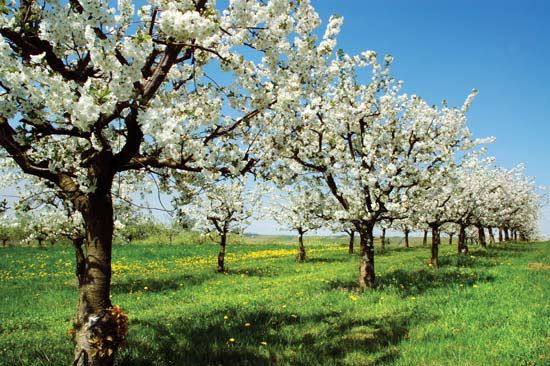
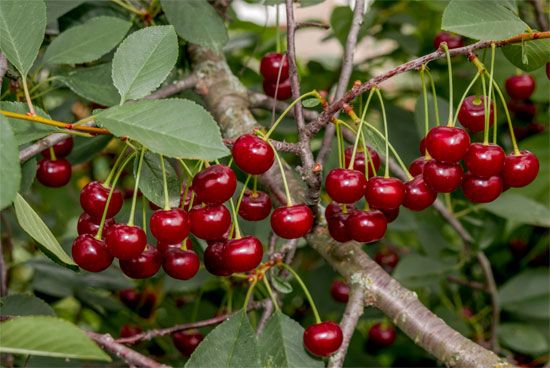
The tart cherry (Prunus cerasus) is a species of cherry cultivated primarily for its acidic, dark-to-bright red fruits. Unlike sweet cherries, which are…
What is Tart cherry?
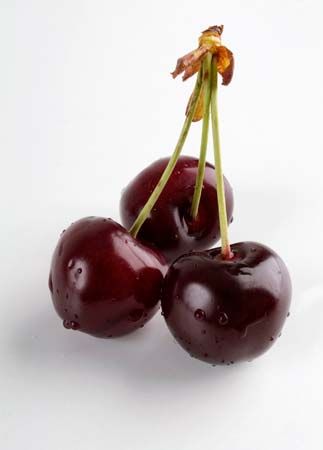
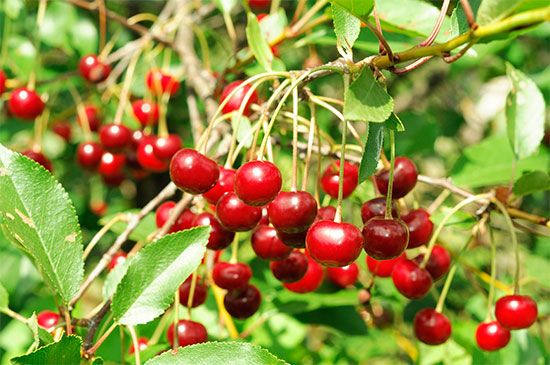
The tart cherry (Prunus cerasus) is a species of cherry cultivated primarily for its acidic, dark-to-bright red fruits. Unlike sweet cherries, which are typically consumed fresh, tart cherries have a high acid content that gives them a characteristic piquant flavor, making them better suited for freezing, canning, or processing into juice and concentrates.12
These fruits are considered a “superfood” due to their high concentration of antioxidants, specifically anthocyanins, and potential anti-inflammatory properties. Nutritionally, they provide vitamin A and minerals such as calcium and phosphorus.21
A critical safety note: like other stone fruits, tart cherry pits contain amygdalin, a cyanide compound that can release poisonous hydrogen cyanide if the pits are crushed or chewed. Consequently, pits should always be removed before using the fruit in blenders or juicers.2
What are the main differences between sweet and tart cherries?
The primary differences between sweet cherries (Prunus avium) and tart cherries (Prunus cerasus) involve their flavor profiles, culinary uses, and physical characteristics.
Key Differences
Feature
Sweet Cherry
Tart Cherry
Flavor
Low acid content; sweet, mildly tart flavor
High acid content; characteristic piquant, sour flavor
Usage
Typically consumed fresh; used in maraschino liqueur
Generally too acidic for fresh eating; frozen, canned, or used in juices and pastries
Tree Size
Large, upright; up to 11 meters (36 feet)
Smaller; rarely exceeds 5 meters (16 feet)
Color
Ranges from yellow to red to nearly black
Generally dark to bright red
Both types are fleshy drupes that provide vitamin A, calcium, and phosphorus. Additionally, both contain pits with amygdalin, which can release hydrogen cyanide if crushed or chewed; therefore, pits must be removed before processing the fruit in blenders or juicers.132
What are anthocyanins and why are they considered beneficial?
Anthocyanins are a major class of water-soluble flavonoid pigments found in the vacuoles of plant cells. These pigments are responsible for the red, purple, and blue colorations observed in many flowers, fruits, and autumn leaves.42
Why Anthocyanins Are Beneficial
Anthocyanins serve several important functions for plants and offer significant health benefits for humans:
- Plant Protection and Reproduction: In plants, these pigments act as antioxidants and may provide protection against ultraviolet radiation. Their vibrant colors are crucial for attracting pollinators and seed-dispersing animals, which facilitates plant reproduction.2
- Cardiovascular Health: For humans, anthocyanins are recognized for their ability to inhibit cholesterol synthesis. By doing so, they help protect against cardiovascular disease. so, they help protect against cardiovascular disease.6
- Anti-inflammatory Properties: Found in high concentrations in foods like tart cherries, anthocyanins are associated with anti-inflammatory effects, which contribute to their reputation as a “superfood.”5
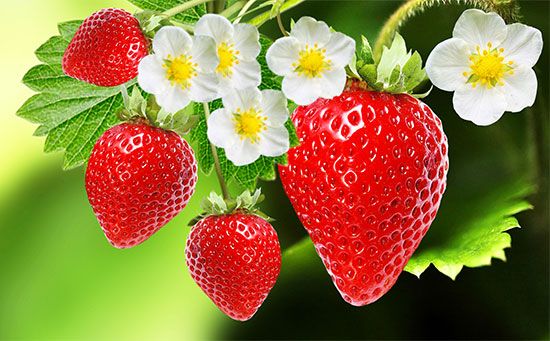
These pigments are abundant in various fruits, including strawberries, blueberries, grapes, and black currants.6
What other fruits belong to the stone fruit or drupe family?
A drupe, commonly referred to as a “stone fruit,” is a simple fleshy fruit derived from a single ovary that features a hard, stony endocarp (the pit) enclosing the seed. While many people associate stone fruits primarily with the Prunus genus, the botanical classification includes a diverse range of plants.789
Common Examples of Drupes
Beyond the well-known cherries, peaches, plums, and apricots, the following are also classified as drupes:
- Olives: A classic example of a fleshy drupe.7
- Mangoes: A tropical fruit with a large, stony pit.7
- Coconuts: A drupe with a fibrous outer layer rather than a soft, fleshy one.7
- Almonds: The edible portion is the seed found within the hardened endocarp.7
- Walnuts: These possess a fleshy outer husk that differentiates into a hard shell.7
- Dogwood: Certain species produce drupe-like fruits.7
It is important to note that some fruits often mistaken for berries are actually aggregates of tiny drupes, known as drupelets. Examples include raspberries and blackberries, which consist of many small, fused drupes from a single flower.78
Sources
- Cherry — Encyclopædia Britannica
- Tart cherry — Encyclopædia Britannica
- Sweet cherry — Encyclopædia Britannica
- Anthocyanin — Encyclopædia Britannica
- Flavonoid — Encyclopædia Britannica
- A Kiwi a Day — Encyclopædia Britannica
- Drupe — Encyclopædia Britannica
- stone fruit — Merriam-Webster
- Prunus — Encyclopædia Britannica
- Fruit - Types of fruits — Encyclopædia Britannica
- Angiosperm - Fruits — Encyclopædia Britannica
- Palm - Fruits — Encyclopædia Britannica
- Plum — Encyclopædia Britannica
Published on · 3 min read