What Do Rabbits Eat?
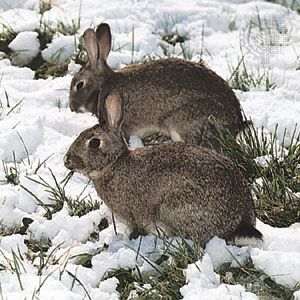
Rabbits are herbivores that primarily consume a diet consisting of grasses and forbs (herbs other than grasses). Because their diet is rich in cellulose—a…
What do rabbits eat?
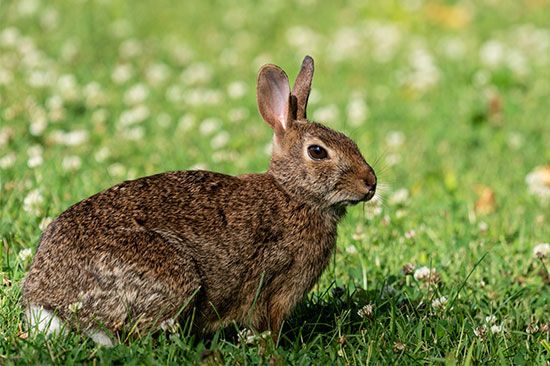
Rabbits are herbivores that primarily consume a diet consisting of grasses and forbs (herbs other than grasses). Because their diet is rich in cellulose—a complex carbohydrate that is difficult to digest—rabbits must consume large quantities of plant material to ensure proper nutrition.12
To maximize nutrient extraction, rabbits utilize a process called coprophagy. They produce two types of feces: hard droppings and soft, black, viscous pellets. The soft pellets, which form in the cecum and contain high levels of B vitamins produced by symbiotic bacteria, are consumed by the rabbit immediately after excretion. This “double-digestion” allows the rabbit to redigest the material in the stomach and absorb nutrients that were missed during the initial passage through the digestive tract.12
What is the difference between rabbits and hares?
While rabbits and hares are often confused, they are distinct groups within the family Leporidae. Distinguishing between them involves looking at their physical size, life history, and preferred environments.34
Feature
Rabbits
Hares
Size & Ears
Generally smaller with shorter ears.
Larger with longer ears.
Birth State
Born without fur and with closed eyes.
Born fully developed with fur and open eyes.
Gestation
30–31 days.
About 42 days.
Habitat
Prefer trees and shrubs; live in burrows.
Prefer open areas like prairies; nest in depressions.
Defense
Tend to hide from enemies.
Rely on running from enemies.
Common naming conventions can be misleading; for example, jackrabbits are biologically hares, while rock hares and the hispid hare are actually rabbits.34
How do rabbits communicate with each other?
Rabbits are generally quiet animals that rely primarily on scent rather than sound for communication. They possess well-developed glands throughout their bodies, which they rub against fixed objects to convey information regarding group identity, sex, age, social and reproductive status, and territory ownership. Urine is also utilized as a form of chemical communication.5
Auditory signals are limited in most species. Aside from loud screams emitted when they are frightened or captured by a predator, the most common vocalization is a loud foot thump, which serves to indicate alarm or aggression. A notable exception is the volcano rabbit, which is known to produce a variety of calls.5
During territorial disputes, rabbits may also engage in physical communication by “boxing” with their front limbs.5
Why are rabbits considered an invasive species in some countries?
Rabbits, particularly the European rabbit, are considered an invasive species in many parts of the world because they can cause severe ecological and economic damage when introduced to environments where they have no natural predators or population controls.26
Their status as pests stems from several key factors:
- Rapid Reproduction: Rabbits are highly prolific, capable of breeding at a young age and producing multiple litters per year. This allows their populations to explode quickly in new territories.2
- Resource Consumption: They consume large quantities of plant material, including grasses, forbs, and the bark of trees and shrubs. This feeding behavior can lead to the degradation of grazing lands and the destruction of native vegetation.26
- Ecosystem Disruption: By stripping landscapes of seeds and leaves, rabbits outcompete native species for food and habitat. In extreme cases, such as in Australia, their introduction has led to significant declines and even the extinction of native flora and fauna.26
Attempts to control these populations, such as the introduction of myxomatosis or the construction of physical barriers, have often proven ineffective over time as the rabbits develop immunity or adapt to the measures.2
Sources
- What do rabbits eat? — Encyclopædia Britannica
- rabbit - Natural history — Encyclopædia Britannica
- What’s the Difference Between Rabbits and Hares? — Encyclopædia Britannica
- rabbit — Encyclopædia Britannica
- cat - Body language and communication — Encyclopædia Britannica
- invasive species - A global problem — Encyclopædia Britannica
- rabbit - Diversity and conservation status — Encyclopædia Britannica
Published on · 3 min read