What Is a Female Yak Called?
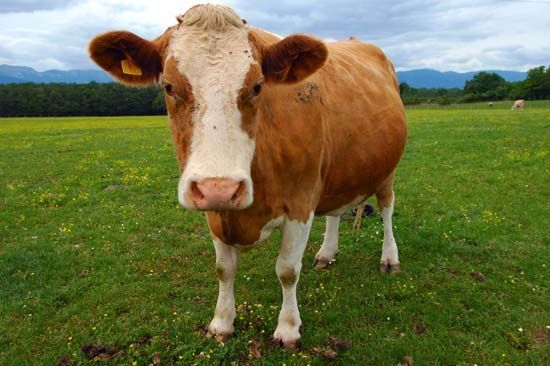
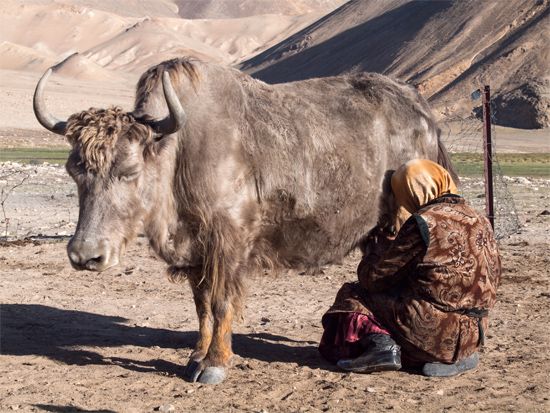
In English, a female yak is referred to as a cow. This terminology follows the standard convention for the bovine subfamily of bovids, where mature females…
What is a female yak called?
In English, a female yak is referred to as a cow. This terminology follows the standard convention for the bovine subfamily of bovids, where mature females are called cows and males are called bulls.1
It is worth noting that in Tibetan, the term yak is reserved specifically for the male of the species, while the female is known as a nak or dri. These animals are highly adapted mammals native to high-altitude regions, where they have been domesticated for centuries for their milk, meat, and utility as beasts of burden.12
How do yaks survive in such cold climates?
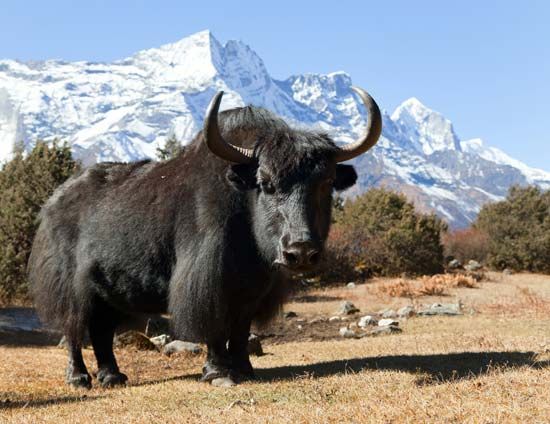
Yaks are remarkably well-adapted to survive in extreme cold, thriving in temperatures as low as −40 °C (−40 °F) across the Himalayas and the Tibetan Plateau. Their primary defense against the freezing climate is a dense, double-layered coat.3
This specialized insulation consists of two distinct components:
- Coarse outer hair: This layer acts as a shield against harsh, chilling winds and snow.3
- Soft undercoat: This dense layer is essential for trapping body heat, ensuring the animal maintains its core temperature despite the frigid environment.3
This combination of hair types provides superior thermal protection, allowing yaks to inhabit high-altitude regions that would be inhospitable to many other species.3
What are the main differences between wild and domestic yaks?
Wild and domestic yaks differ primarily in their physical characteristics, temperament, and purpose. While wild yaks are sometimes classified as a separate species (Bos mutus) from domestic ones (Bos grunniens), they remain closely related and can interbreed with cattle.2
Key differences include:
- Size: Wild yaks are significantly larger than their domestic counterparts. Bulls in the wild can stand up to 2 meters tall at the shoulder and weigh over 800 kg.2
- Coloration: Wild yaks typically feature a uniform blackish or brown coat. In contrast, domestic yaks exhibit more variable coloration, with white splotches being quite common.2
- Temperament and Utility: Domestic yaks have been selectively bred for tractability, making them suitable as beasts of burden for caravans, as well as for plowing and threshing. They are also valued for high milk production, meat, hides, and fur.2
- Conservation Status: Wild yaks are currently endangered due to historical overhunting and ongoing interbreeding with domestic cattle, which threatens their genetic purity.2
How are yaks used by people in the Himalayas?
In the Himalayas and across the Tibetan Plateau, the yak is an essential resource for human survival at high elevations. Domesticated likely for use as beasts of burden, they have historically facilitated trade by carrying goods along difficult mountain routes.2
Their utility to local populations is extensive:
- Agriculture: Yaks are utilized for plowing and threshing crops.2
- Food and Dairy: They are a vital source of meat, and their milk is used to produce butter, which serves as a primary dairy product in the region.23
- Materials: People rely on yaks for their hides and fur.2
- Fuel: On the treeless Tibetan plateau, dried yak dung is the only available source of fuel for heating and cooking.2
Additionally, yaks are frequently crossbred with cattle to produce the mdzo-mo, an animal also valued for its dairy production.3
Sources
- What is a female yak called? — Encyclopædia Britannica
- yak — Encyclopædia Britannica
- Why do yaks have long hair on their bodies? — Encyclopædia Britannica
- Tibet - Agriculture and forestry — Encyclopædia Britannica
Published on · 2 min read