What Is Causing the “Horns” on Rabbits in Colorado?
The "horns" observed on rabbits in Colorado are actually tumors caused by the cottontail rabbit papillomavirus (CRPV), also known as the Shope…

What Is Causing the “Horns” on Rabbits in Colorado?
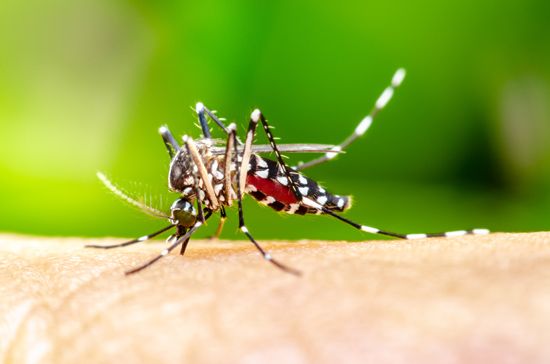
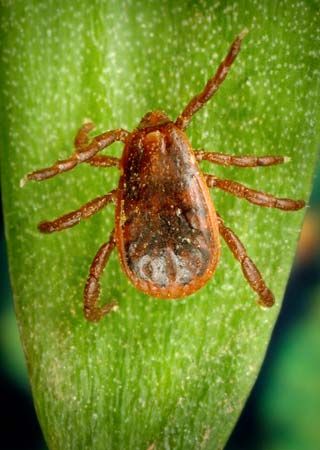
The “horns” observed on rabbits in Colorado are actually tumors caused by the cottontail rabbit papillomavirus (CRPV), also known as the Shope papillomavirus. This viral disease is transmitted primarily through the bites of mosquitoes and ticks, though it can also spread between rabbits.12
While these growths are often benign, they can become malignant or grow large enough to obstruct a rabbit’s ability to eat or see, which can be fatal. The virus typically manifests as lesions or hornlike growths on areas of the skin not covered by fur, such as the nose, ears, and anus. Although the condition is unsettling, treatments exist, including the use of antiviral drugs or topical medications to eliminate the lesions.12
How do viruses like CRPV spread between different animals?
Viruses like the cottontail rabbit papillomavirus (CRPV) spread between animals through several distinct mechanisms, depending on the specific virus and host species involved.
Transmission Methods
- Vector-Borne Transmission: Many viruses, including CRPV, are transmitted by arthropod vectors such as mosquitoes and ticks. These insects act as carriers, transferring the virus between hosts during feeding.23
- Direct Contact: Transmission can occur through physical contact between infected and susceptible animals. For example, bovine papillomavirus (BPV) can spread from mothers to calves during suckling or between adults during breeding.2
- Species Jumping: Some viruses can cross species barriers, often requiring genetic mutations to adapt to a new host. This process may involve an intermediate host, such as the pig, where different viral strains can reassort their genetic material to create a new, infectious virus.4
Ecological Factors
The spread and virulence of these viruses are heavily influenced by host population density and transmission rates. When host density is high, natural selection often favors increased virulence, as the virus can easily move to new hosts before the current one dies. Conversely, in low-density populations, less virulent forms are favored to ensure the virus survives long enough to spread.5
What is the difference between benign and malignant tumors?
The primary distinction between benign and malignant tumors lies in their ability to invade surrounding tissues and spread to distant sites in the body.67
Benign Tumors
- Growth: These tumors remain localized to their site of origin and do not invade surrounding tissues.67
- Characteristics: They often grow slowly and may be enclosed by a capsule of connective tissue, which separates them from adjacent structures.7
- Risk: While they are abnormal, they are generally less dangerous than malignant tumors because they retain some growth control. However, they can still cause health issues if they grow large enough to compress vital organs or structures.6
Malignant Tumors
- Growth: These tumors, commonly referred to as cancer, grow aggressively and invade nearby healthy tissues.67
- Metastasis: The defining characteristic of malignancy is metastasis—the process by which cancer cells detach from the primary tumor, enter the circulatory or lymphatic systems, and seed new tumors in distant organs.687
- Risk: Because they disseminate throughout the body, malignant tumors are life-threatening and typically require comprehensive treatment to eradicate.67
Medical professionals often use a biopsy to examine tissue samples under a microscope to determine whether a growth is benign or malignant.910
How does the devil facial tumor disease compare to rabbit papillomavirus?
Cottontail rabbit papillomavirus (CRPV) and devil facial tumor disease (DFTD) are both conditions that cause significant growths around the head and mouth, which can interfere with an animal’s ability to eat. However, they differ fundamentally in their nature and transmission:1
- Nature of the Disease: CRPV is a viral disease caused by a papillomavirus. While some of these tumors can become malignant, most are benign. In contrast, DFTD is a transmissible cancer that manifests as large, aggressive facial tumors in Tasmanian devils.1
- Transmission: CRPV is spread between rabbits by arthropod vectors, specifically mosquitoes and ticks. DFTD is a unique form of transmissible cancer, typically spread through direct physical contact, such as biting, between infected animals.1
- Treatment: There are established treatments for CRPV, including the use of antiviral drugs or topical medications to eliminate lesions.1
Sources
- What Is Causing the “Horns” on Rabbits in Colorado? — Encyclopædia Britannica
- papillomavirus — Encyclopædia Britannica
- virus - Evolution of new virus strains — Encyclopædia Britannica
- rabbit - Natural history — Encyclopædia Britannica
- community ecology - Parasite - host interactions — Encyclopædia Britannica
- cancer - Malignant tumors and benign tumors — Encyclopædia Britannica
- metastasis — Encyclopædia Britannica
- tumour — Encyclopædia Britannica
- biopsy — Encyclopædia Britannica
- cancer - Diagnostic procedures — Encyclopædia Britannica
- cancer - Grading and staging — Encyclopædia Britannica
- virus - Malignant transformation — Encyclopædia Britannica
- cancer - RNA viruses — Encyclopædia Britannica
Published on · 3 min read