What Is the Tallest Dog Breed?
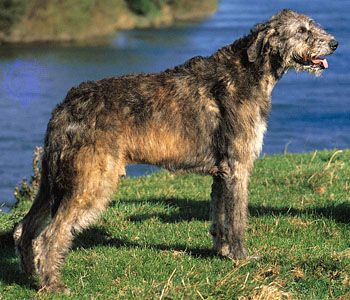
The Irish Wolfhound is generally recognized as the tallest dog breed. Male Irish Wolfhounds typically stand a minimum of 32 inches (81 cm) at the shoulders…
What is the Tallest Dog Breed?
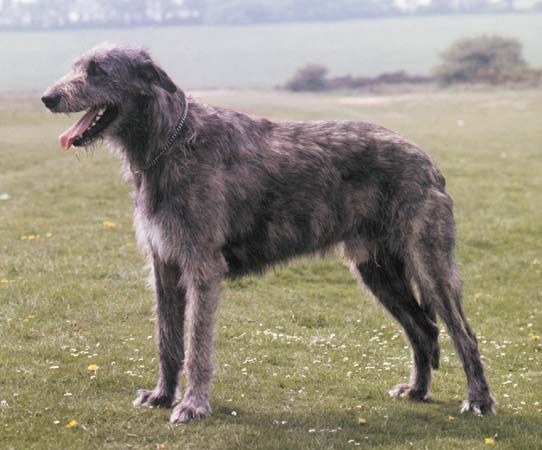
The Irish Wolfhound is generally recognized as the tallest dog breed1. Male Irish Wolfhounds typically stand a minimum of 32 inches (81 cm) at the shoulders, while females stand at least 30 inches (76 cm).12
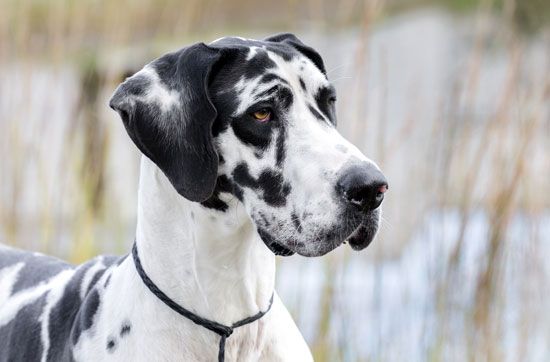
While the Irish Wolfhound holds the title for the tallest breed, individual dogs of other breeds can occasionally reach greater heights. For instance, the tallest individual dog on record was a Great Dane named Zeus, who measured 44 inches (112 cm) tall. Great Danes are also considered one of the tallest breeds, typically ranging from 28 to 32 inches (71–81 cm) in height.23
It is important to note that being the tallest breed does not equate to being the largest by weight. The Irish Wolfhound is relatively svelte, usually weighing between 105 and 120 pounds (48–54 kg), whereas various Mastiff breeds can weigh more than 200 pounds (91 kg).2
What is the difference between a dog’s height and its weight in terms of breed classification?
In breed classification, height and weight serve as distinct metrics that define a dog’s physical standard and functional purpose. Height is typically measured at the withers (the highest point of the shoulders) and is often the primary indicator of a breed’s stature, such as identifying the Irish Wolfhound as the tallest breed.15
Weight, conversely, measures the mass and overall substance of the dog. While a breed may be exceptionally tall, it is not necessarily the heaviest. For example, the Irish Wolfhound is considered “svelte” despite its height, whereas Mastiff breeds are classified by their significant mass, often exceeding 200 pounds (91 kg) despite being shorter than the Wolfhound.1
Breed standards use these metrics to categorize dogs based on their historical roles:
- Stature: Height often dictates a dog’s ability to perform specific tasks, such as sight hounds chasing game over long distances or guard dogs maintaining an imposing presence.15
- Mass: Weight reflects the power and physical build required for roles like protection or heavy labor.1
Why do some giant dog breeds have shorter life spans than smaller breeds?
Giant dog breeds typically have shorter lifespans than smaller breeds due to a complex interplay of metabolic, genetic, and physiological factors. While larger size generally correlates with greater longevity in most mammals, dogs follow an inverse pattern.67
Key factors contributing to this difference include:
- Metabolic Rate and Aging: Larger dogs have a lower mass-specific metabolic rate, which is associated with faster cellular growth and an accelerated aging process. Researchers have estimated that dogs may lose approximately one month of life for every 4.4 pounds (2 kg) of body mass.67
- Disease Susceptibility: Large-breed dogs are at a higher risk for developing cancer and other disorders linked to abnormal cellular growth resulting from their rapid maturation. They are also prone to specific health issues such as gastric dilatation volvulus and orthopedic conditions like hip dysplasia.678
- Genetic Factors: Purebred dogs, which include many giant breeds, may have reduced genetic diversity due to breeding practices, potentially increasing their vulnerability to inherited disorders.67
What historical roles did dogs like the Great Pyrenees play in protecting livestock?
The Great Pyrenees was historically developed as a dedicated livestock guardian, specifically bred to protect flocks of sheep and cattle from predators such as wolves and bears in the Pyrenees Mountains.94
Unlike herding breeds, which are often characterized by their agility and ability to drive livestock through nipping or circling, the Great Pyrenees is classified as a livestock guardian dog. Its role was to remain with the flock, providing a constant, protective presence. Their massive, rugged build and loyal, protective temperament made them well-suited for this task, allowing them to deter threats effectively.4109
Beyond their primary duty as guardians, the breed’s versatility has historically allowed them to serve in other capacities, including pulling carts and acting as watchdogs. During World War I, they were even utilized to carry contraband goods across the border between France and Spain.9
Sources
- What is the Tallest Dog Breed? — Encyclopædia Britannica
- Irish wolfhound — Encyclopædia Britannica
- Great Dane — Encyclopædia Britannica
- dog - Working dogs — Encyclopædia Britannica
- hound — Encyclopædia Britannica
- Why do small dogs live longer? — Encyclopædia Britannica
- Calculating dog years — Encyclopædia Britannica
- dog - Ailments — Encyclopædia Britannica
- Great Pyrenees — Encyclopædia Britannica
- Great Pyrenees — Merriam-Webster
- dog - Herding dogs — Encyclopædia Britannica
Published on · 3 min read