Yellow Birch
The yellow birch (Betula alleghaniensis) is a significant ornamental and timber tree belonging to the Betulaceae family, native to northeastern North…
What is yellow birch?
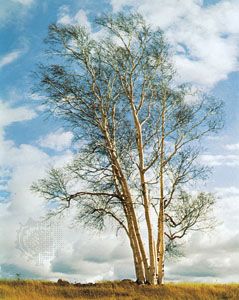
The yellow birch (Betula alleghaniensis) is a significant ornamental and timber tree belonging to the Betulaceae family, native to northeastern North America. It is among the largest of the birch species, capable of reaching heights of 30 metres (100 feet).1
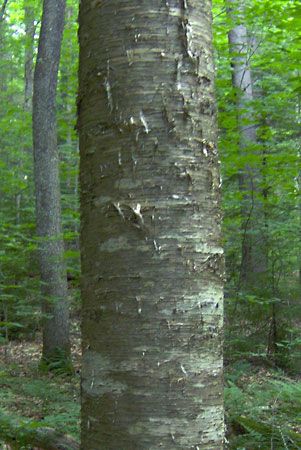
The tree is characterized by its distinct bark, which peels in thin, silvery-yellow curls on young trunks and limbs, while older trunks feature deeply grooved, red-brown plates. Its leaves are oval-shaped with toothed margins, and its twigs are slightly aromatic.12
Commercially, the hard, red-brown wood is often grouped with that of sweet birch and utilized for furniture, flooring, veneer, and woodenware. Additionally, the bark of the yellow birch is noted for its ability to burn even when wet, making it a reliable resource for outdoor enthusiasts.13
How do birch trees contribute to forest ecosystems?
Birch trees (Betula) play a vital role in forest ecosystems, particularly as pioneer species. Because they are hardy and quick-growing, they are often among the first trees to become established in areas after glaciers recede or following other disturbances.3
Their contributions to the environment include:
- Reforestation and Erosion Control: Due to their rapid growth and resilience, birches are highly valuable for reforestation efforts and the mitigation of erosion.3
- Nurse Trees: They serve as protective cover, or “nurse trees,” which provide the necessary environment for the development of more permanent plant species.3
- Food Sources: Certain smaller species, such as the dwarf birch and bog birch, serve as essential food sources for birds and various grazing animals.3
Overall, their ability to thrive in diverse conditions makes them a foundational component in the recovery and stabilization of forest habitats.3
What are the differences between paper birch and yellow birch?
While both paper birch (Betula papyrifera) and yellow birch (Betula alleghaniensis) are prominent members of the Betulaceae family native to North America, they possess distinct physical characteristics and common names that often lead to confusion.13
Key Differences
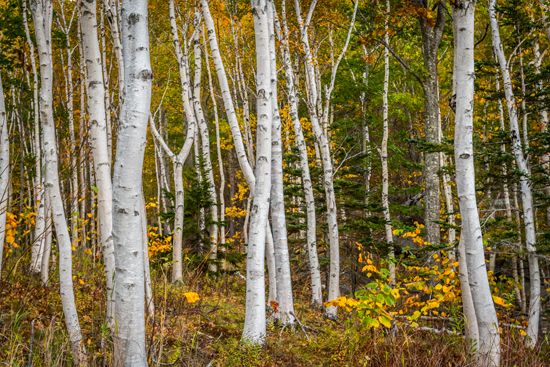
- Bark Appearance: The most notable difference lies in their bark. Paper birch is a type of white birch, characterized by its iconic white, peeling bark. In contrast, yellow birch features bark that is silvery-yellow and peels in thin, paper-like curls on young trunks, while older trunks develop red-brown, deeply grooved plates.351
- Taxonomy and Classification: While both belong to the genus Betula, they are separate species. Because common names like “silver birch” are sometimes applied to both species, relying on their scientific names is essential for accurate identification.3
- Usage: Both species are valued for their ability to burn even when wet, making them useful for outdoor enthusiasts. Commercially, yellow birch wood is highly regarded for furniture and flooring, often marketed alongside sweet birch.31
How do catkins function in the reproduction of birch trees?
In birch trees, catkins serve as the primary reproductive structures, functioning as elongated, single-sex clusters of flowers that lack petals. Because birch trees rely on wind pollination (anemophily), these structures are designed to facilitate the dispersal of pollen through the air.
The process functions as follows:
- Pollen Dispersal: Male catkins release dry, smooth-surfaced pollen grains into the breeze. To maximize exposure, birch trees often bloom in the spring before their leaves emerge, allowing the wind to move the inflorescences easily and shake out the pollen.67
- Fertilization: The wind carries the pollen to female catkins or female flowers. Because wind pollination is a relatively imprecise and “wasteful” process, the trees produce large quantities of pollen to increase the statistical likelihood that it will reach a receptive stigma.7
- Structural Adaptation: Birch flowers are inconspicuous and lack nectar or fragrance, as they do not need to attract insects. The female flowers typically contain only one ovule, reflecting the low efficiency of wind-borne fertilization.7
Sources
- yellow birch — Encyclopædia Britannica
- yellow birch — Merriam-Webster
- birch — Encyclopædia Britannica
- paper birch — Encyclopædia Britannica
- white birch — Encyclopædia Britannica
- catkin — Encyclopædia Britannica
- Pollination - Wind — Encyclopædia Britannica
Published on · 3 min read