Geographic Range
In ecology, a geographic range is the total area where all members of a particular species are found during their lifetime. While it often refers to a…
What is geographic range?
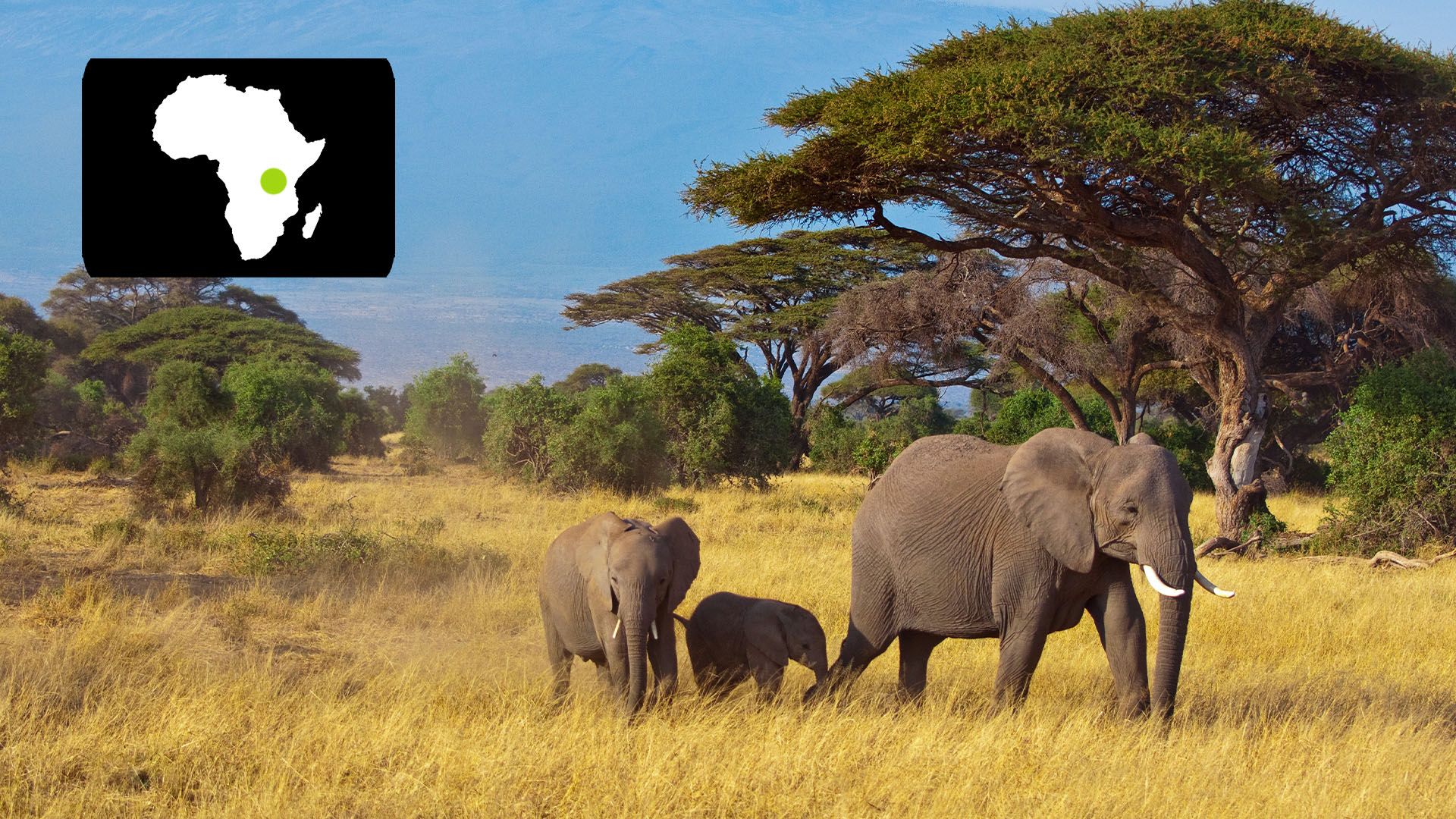
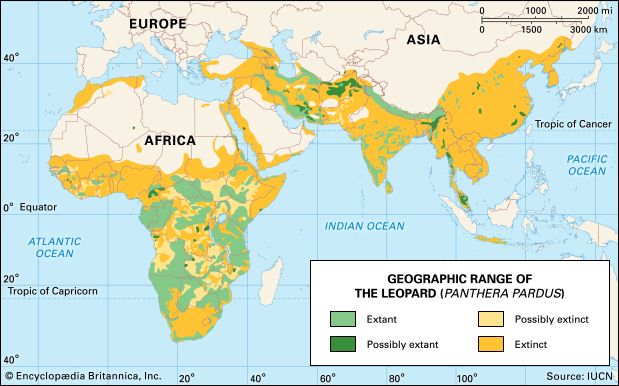
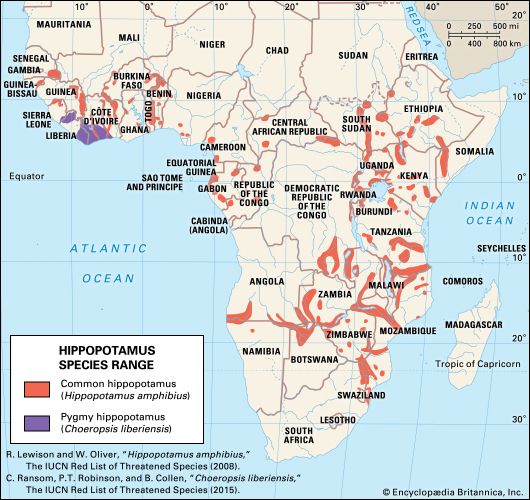
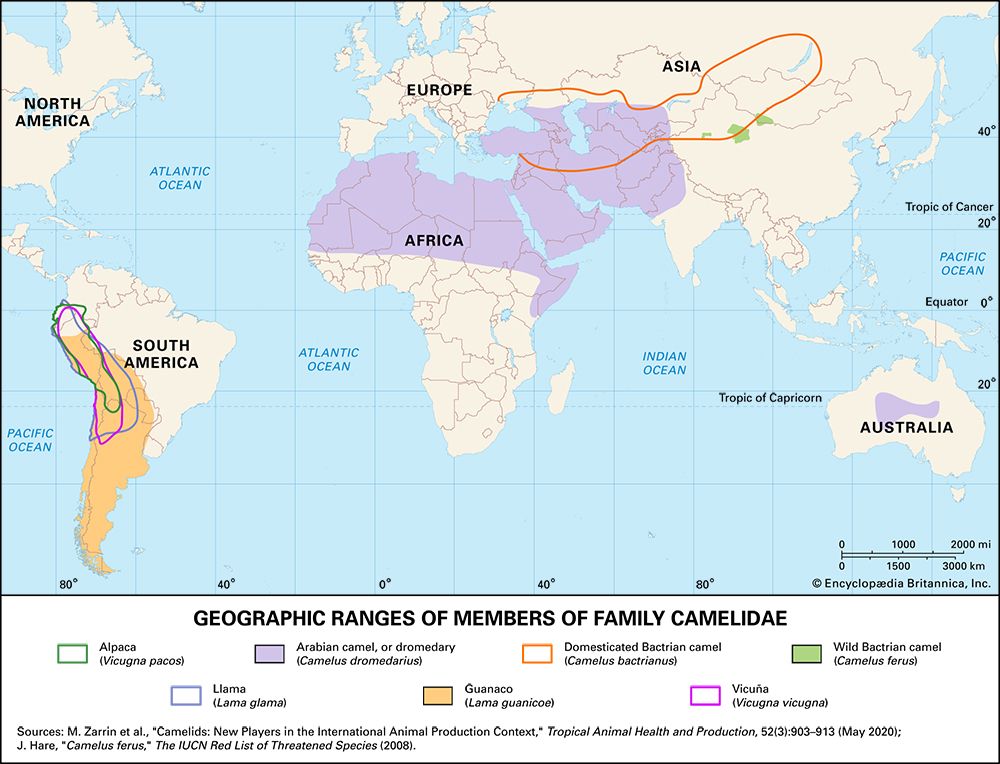
In ecology, a geographic range is the total area where all members of a particular species are found during their lifetime. While it often refers to a species’ natural distribution, it also encompasses areas where a species has been introduced by human activity or other forces.1
A species’ range is shaped by:
- Abiotic factors: Physical barriers like mountains or oceans, and environmental conditions such as temperature and humidity.1
- Biotic factors: Interactions with other species, including competition for food and predator avoidance.1
Ecologists use geographic range, alongside population size, to assess extinction risk. Species with small, shrinking ranges are often of greater conservation concern than those with large, stable ones. Currently, climate change is forcing many species to shift their ranges toward poles or higher elevations to find suitable habitats.1
How does climate change affect the movement of species?
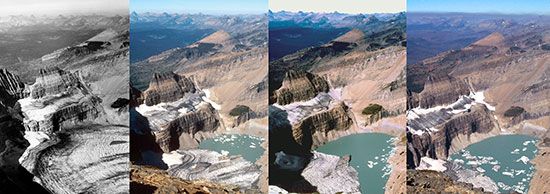
Climate change significantly influences the movement of species by altering the environmental conditions that define their natural geographic range. As global temperatures rise, many species are forced to shift their distributions to remain within their physiological tolerance limits.21
Patterns of Movement
- Poleward and Upward Shifts: To find cooler environments, many species of trees, shrubs, and other plants are migrating toward the poles and to higher elevations on mountain slopes.1
- Marine Migration: Many animals, particularly those in marine environments, are actively migrating toward new habitats in response to changing climate patterns.1
- Seasonal Shifts: Warming temperatures are altering the timing of biological processes, leading to shifts in the seasonal migration patterns of birds, fishes, and other migratory animals.2
Challenges to Migration
While some species can adapt by relocating, others face severe impediments. Human-made structures such as highways, walls, and artificial waterways can block the paths of animals attempting to reach more favorable climates. Furthermore, the rapid pace of current climate change may exceed the natural adaptive capacity of many species, potentially pushing those unable to migrate or adapt toward extinction.21
What are some examples of physical barriers that limit a species’ range?
Physical barriers play a critical role in defining a species’ geographic range by restricting movement and dispersal. These barriers can be categorized as follows:
- Geographic Features: Large-scale physical obstacles such as mountain ranges, oceans, and vast stretches of desert are often impassable for many species. For example, while birds may be able to cross the English Channel, terrestrial animals like bears are effectively contained by such water barriers.14
- Climatological Extremes: Areas with harsh environmental conditions, such as extreme temperatures or lack of moisture, act as significant boundaries that limit where a species can survive and travel.4
- Habitat Discontinuity: For species specialized to specific environments, the absence of suitable habitat acts as a barrier. For instance, air-breathing animals are generally restricted from large marine or freshwater environments, just as most fishes are limited to aquatic zones and cannot traverse terrestrial landscapes.1
- Human-Made Structures: Infrastructure such as highways, walls, and artificial waterways can fragment habitats and prevent animals from reaching favorable climates or breeding grounds.14
Why do scientists track geographic range to determine extinction risk?
Scientists track geographic range as a primary indicator of extinction risk because it provides essential data on a species’ vulnerability to environmental change. The size and stability of this range are key factors in assessing conservation status, as established by the International Union for Conservation of Nature (IUCN).17
Why Range Size Matters
- Vulnerability: Species with small geographic ranges are inherently more vulnerable to extinction than those with large, widespread ranges. It is significantly easier for localized threats to destroy a small habitat than a vast one.89
- Climate Sensitivity: By monitoring shifts in range, scientists can determine if a species is successfully adapting to climate change. If a species’ “climate envelope”—the range of conditions it requires to survive—shrinks or disappears entirely, the risk of extinction increases dramatically.19
- Predictive Assessment: The IUCN uses range size as one of five quantitative criteria to classify species status. Species found only in tiny, restricted areas or those experiencing rapid, precipitous declines in their spatial distribution are viewed as high-priority concerns.17
Sources
- geographic range — Encyclopædia Britannica
- Global warming - Environmental consequences of global warming — Encyclopædia Britannica
- Taiga - Origin — Encyclopædia Britannica
- dispersion — Encyclopædia Britannica
- Biosphere - Water currents — Encyclopædia Britannica
- Locomotion - Principles — Encyclopædia Britannica
- conservation - Range size — Encyclopædia Britannica
- IUCN Red List of Threatened Species — Encyclopædia Britannica
- conservation - Global warming — Encyclopædia Britannica
Published on · 3 min read