Why Are Mosquitoes Attracted to Certain People?
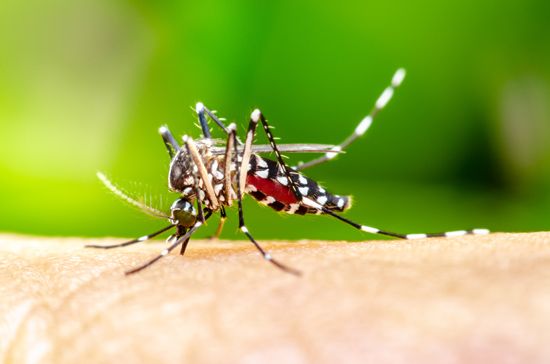
Mosquitoes are attracted to certain individuals due to a combination of body chemistry, metabolism, and environmental cues. Female mosquitoes, which require…
Why are mosquitoes attracted to certain people?
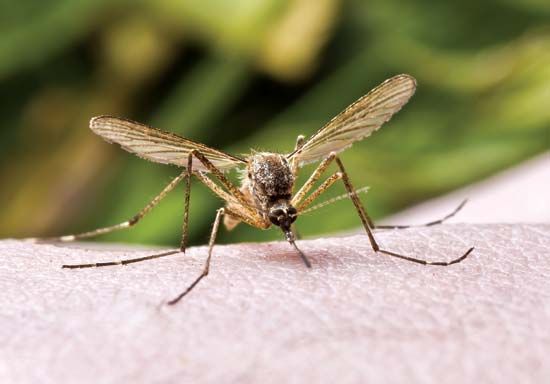
Mosquitoes are attracted to certain individuals due to a combination of body chemistry, metabolism, and environmental cues. Female mosquitoes, which require blood to mature their eggs, use specialized receptors on their antennae and other sensory structures to detect these signals.123
Key attractants include:
- Chemical Composition: Lactic acid found in human sweat is a primary attractant, and some individuals naturally exude higher concentrations than others.12
- Carbon Dioxide: Mosquitoes are highly sensitive to carbon dioxide output. People who exhale more—such as those who are larger or engaged in physical activity—are more likely to be targeted.12
- Physical Cues: Higher body temperatures and increased movement make individuals easier to detect and more appealing as hosts.14
Once a mosquito lands, skin chemicals may further influence its behavior, while substances like adenosine triphosphate (ATP) released from red blood cells can stimulate the insect to feed.2
Why do only female mosquitoes bite humans?
Only female mosquitoes bite humans because they require the proteins and iron found in blood to facilitate the maturation of their eggs. This blood meal is a critical component of their reproductive cycle.34
In contrast, male mosquitoes do not bite humans at all. Both males and non-fertilized females primarily feed on nectar and other plant juices, serving as pollinators in their environments.34
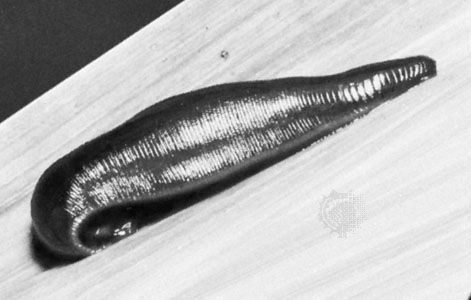
It is also important to note that not all female mosquitoes target humans. Different species have specific host preferences; for example, some species specialize in feeding on earthworms, leeches, or frogs and toads rather than mammals. When a female does bite a human, she uses specialized mouthparts to pierce the skin and injects saliva containing anticoagulants to ensure a smooth flow of blood.34
How do mosquitoes transmit diseases like malaria?
Malaria is transmitted to humans through the bite of an infected female Anopheles mosquito. The process involves a complex life cycle between the mosquito and the human host:35
- Infection: When an infected mosquito bites a person, it injects immature forms of the Plasmodium parasite, known as sporozoites, into the bloodstream via its saliva.35
- Liver Stage: These sporozoites travel to the liver, where they mature and multiply into thousands of merozoites.56
- Bloodstream Stage: Merozoites are released into the bloodstream, where they invade and destroy red blood cells. This destruction causes the characteristic fever and chills associated with the disease.35
- Transmission Cycle: Some parasites develop into a sexual stage called gametocytes. If another mosquito bites an infected person, it ingests these gametocytes, which mate in the mosquito’s gut to produce new sporozoites, ready to infect the next host.5
What makes mosquito bites itch and swell?
The itching and swelling associated with mosquito bites are caused by the human body’s immune response to the mosquito’s saliva.3
When a female mosquito bites, she injects saliva into the host to access blood vessels efficiently. This saliva contains anticoagulants that prevent the blood from clotting while she feeds3. The body recognizes the components of this foreign substance as an allergen, triggering an allergic reaction.8
This reaction manifests as a wheal, which is a slightly elevated, itchy area of the skin, or as inflamed skin. While these lesions generally subside within hours, the intensity of the reaction can vary between individuals.8
Sources
- Why are mosquitoes attracted to certain people? — Encyclopædia Britannica
- Chemoreception - Blood-feeding insects — Encyclopædia Britannica
- Why do mosquitoes drink blood? — Encyclopædia Britannica
- mosquito - Physical features and behavior — Encyclopædia Britannica
- Plasmodium — Encyclopædia Britannica
- malaria - The course of the disease — Encyclopædia Britannica
- parasitic disease - Major disease-causing parasites — Encyclopædia Britannica
- insect bite and sting — Encyclopædia Britannica
Published on · 2 min read