Why Do Mosquitoes Drink Blood?
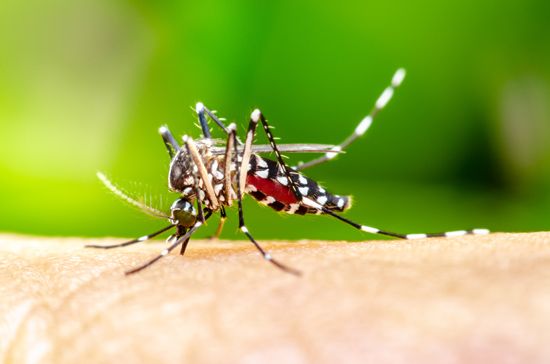
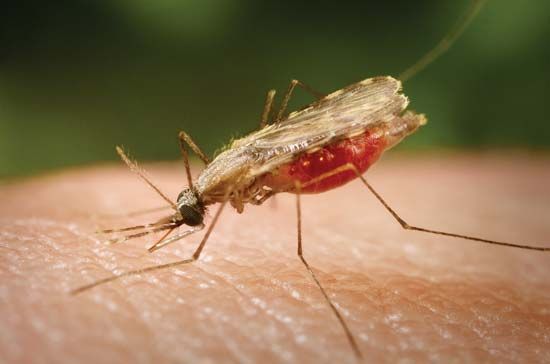
Only female mosquitoes drink blood, and they do so specifically to obtain the proteins and iron necessary for the maturation of their eggs. This blood meal…
Why do mosquitoes drink blood?
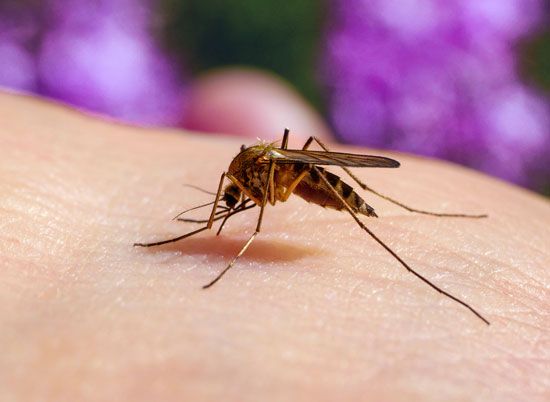
Only female mosquitoes drink blood, and they do so specifically to obtain the proteins and iron necessary for the maturation of their eggs. This blood meal is a vital component of their reproductive cycle.12
It is a common misconception that all mosquitoes consume blood; in reality, male mosquitoes and non-fertilized females feed primarily on flower nectar and plant juices, serving as important pollinators. When a female mosquito feeds, she injects saliva containing anticoagulants to prevent clotting, which facilitates efficient feeding but also triggers the immune response that causes itching in humans. Because they can transmit pathogens during this process, mosquitoes are considered some of the deadliest animals to humans.12
How do mosquitoes find their hosts?
Mosquitoes locate their hosts through a sophisticated combination of chemical, thermal, and visual cues. They possess specialized sensory receptors on their antennae and maxillary palps that allow them to detect specific signals from a distance.34
Key Attractants
- Carbon Dioxide: Mosquitoes are highly sensitive to carbon dioxide, which acts as a primary activator and attractant. Individuals who exhale more—such as those who are larger or physically active—are often more likely to be targeted.34
- Chemical Compounds: Lactic acid found in human sweat is a significant attractant. Other compounds, such as octenol and acetone from animal breath, also draw specific species toward their preferred hosts.34
- Physical Cues: Beyond chemical signals, mosquitoes are attracted to body heat and movement. These factors help the insects identify and home in on potential hosts.32
Once a mosquito arrives at a host, it may use additional chemical cues on the skin to guide its behavior. Upon beginning to probe the tissue, substances like adenosine triphosphate (ATP) released from red blood cells can act as stimulants, encouraging the mosquito to feed.4
What role do mosquitoes play as pollinators?
While mosquitoes are widely known for their role in disease transmission, they also serve as important pollinators for thousands of plant species.5
In most mosquito species, males feed exclusively on nectar and other plant juices, and females often do so as well. As they forage for these sugary energy sources, they incidentally transfer pollen between flowers.56
Specific examples of their pollination activity include:
- Orchids: Mosquitoes are effective pollinators for certain species of orchids, such as those in the Habenaria genus found in North American swamps.2
- Generalist Pollination: Because they are abundant in many environments, they contribute to the reproductive success of a wide variety of plants, though they are rarely the primary pollinators for crops important to human agriculture.5
By visiting flowers to sustain themselves, mosquitoes perform a vital ecological service that supports plant biodiversity, even if their reputation is largely defined by their interactions with animal hosts.56
How do mosquitoes transmit diseases like malaria?
Malaria is transmitted to humans through the bite of an infected female Anopheles mosquito. The process is a complex cycle involving both the insect and the human host:17
- Infection of the Mosquito: The cycle begins when a female mosquito bites a person already infected with malaria. During this blood meal, the mosquito ingests gametocytes (the sexual stage of the Plasmodium parasite).7
- Development: Inside the mosquito’s gut, these gametocytes mate to produce ookinetes, which mature into oocysts. After 9 to 14 days, these break open to release thousands of sporozoites, which migrate to the mosquito’s salivary glands.7
- Transmission to Humans: When the infected mosquito bites a new host, it injects these sporozoites into the person’s bloodstream along with its saliva.17
- Disease Progression: The sporozoites travel to the liver, where they multiply into merozoites. These are released into the blood to infect and destroy red blood cells, causing the characteristic chills and fever associated with malaria.17
Sources
- Why do mosquitoes drink blood? — Encyclopædia Britannica
- mosquito - Physical features and behavior — Encyclopædia Britannica
- Why are mosquitoes attracted to certain people? — Encyclopædia Britannica
- Chemoreception - Blood-feeding insects — Encyclopædia Britannica
- What Purposes Do Mosquitoes Serve in Ecosystems? — Encyclopædia Britannica
- Major types of pollinators - Beetles and flies — Encyclopædia Britannica
- Plasmodium — Encyclopædia Britannica
- malaria - The course of the disease — Encyclopædia Britannica
- malaria - Natural immunity — Encyclopædia Britannica
Published on · 3 min read