Why Are Sloths So Slow?
Sloths are famously slow primarily due to their specialized metabolism and low-calorie diet. Because they feed exclusively on leaves—which are poor in…
Why Are Sloths So Slow?
Sloths are famously slow primarily due to their specialized metabolism and low-calorie diet. Because they feed exclusively on leaves—which are poor in nutrients—sloths have evolved a slow-moving, arboreal lifestyle to conserve energy. Their metabolic rate is only 40–45 percent of what is typically expected for mammals of their size.12
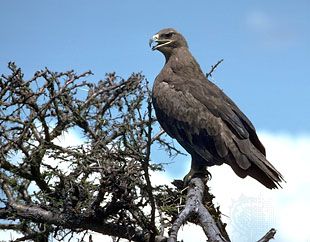
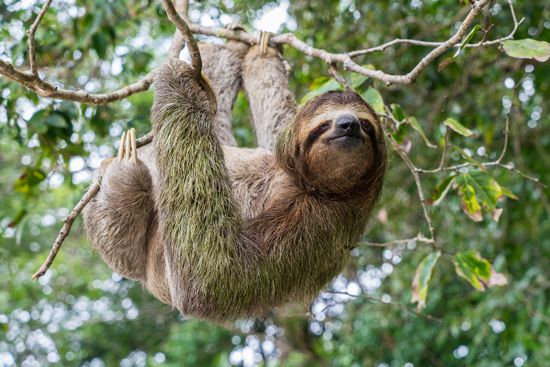
This slowness is actually a beneficial adaptation for survival. By moving slowly and remaining largely nocturnal, sloths avoid attracting the attention of visual predators like jaguars and harpy eagles. Furthermore, their fur often hosts algae, which provides a greenish camouflage that helps them blend into the forest canopy.23
Physiologically, sloths are heterothermic, meaning they have imperfect control over their body temperature. When their body temperature drops, they can become torpid, further reinforcing their slow pace. Ultimately, sloths are slow because their energy-efficient lifestyle is perfectly suited to their environment.24
How does algae growing on a sloth’s fur help it survive?
The algae growing on a sloth’s pelage provide a significant survival advantage by acting as camouflage. Because the blue-green algae inhabit grooves in the sloth’s hair, they impart a greenish hue to the animal’s coat. This coloration allows the sloth to blend into the forest canopy, helping it remain hidden from predators while it moves slowly through the trees.5
Why do sloths descend to the ground to use the bathroom?
The three-toed sloth (Bradypus variegatus) descends to the forest floor about once a week to urinate and defecate, a journey that is both dangerous and physically demanding for the animal.53
This behavior serves several ecological purposes:
- Nutrient Cycling: By burying its waste at the base of its “modal” tree, the sloth returns vital nutrients directly to the tree it inhabits. If the waste were dropped from the canopy, these nutrients would be dispersed over a wider area, benefiting competing plants rather than the sloth’s primary home.5
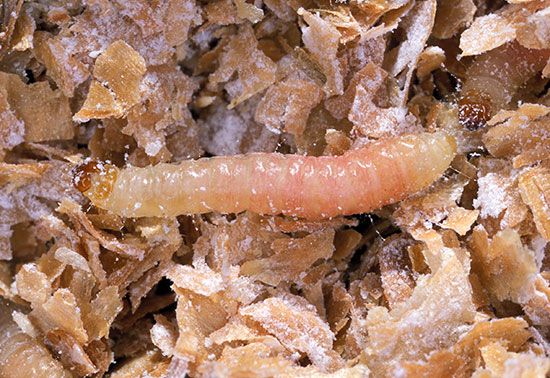
- Supporting Symbionts: The sloth’s descent provides a critical opportunity for the specialized community of pyralid moths, beetles, and mites living in its fur to leave the sloth and lay their eggs in the fresh dung. The resulting larvae may assist in nutrient recycling, which the tree eventually converts into the foliage the sloth consumes.5
While this trip makes the sloth extremely vulnerable to predators, the practice is essential for maintaining the unique community ecology that supports the sloth’s habitat.5
What are the main differences between two-toed and three-toed sloths?
Two-toed sloths (family Megalonychidae) and three-toed sloths (family Bradypodidae) are distinct groups of tree-dwelling mammals with several key differences:
Physical Characteristics
- Claws: As their names suggest, two-toed sloths have two claws on their forelimbs, while three-toed sloths have three.43
- Size: Two-toed sloths are generally larger, weighing up to 8 kg (17.6 pounds), whereas three-toed sloths typically weigh about 4 kg (8.8 pounds).43
- Neck Vertebrae: Three-toed sloths possess eight or nine neck vertebrae, allowing them to turn their heads through a 270° arc. Two-toed sloths have only six or seven.43
- Hair Structure: While both harbor algae, the outer hairs of three-toed sloths have transverse cracks, while those of two-toed sloths feature longitudinal grooves.43
Behavior and Biology
Sources
- sloth: Top Questions — Encyclopædia Britannica
- Why Are Sloths So Slow? — Encyclopædia Britannica
- sloth — Encyclopædia Britannica
- sloth - Three-toed sloths — Encyclopædia Britannica
- A moving habitat — Encyclopædia Britannica
- sloth - Two-toed sloths — Encyclopædia Britannica
Published on · 3 min read